The Long Struggle — ANC, PAC, BCM and the Dismantling of Apartheid
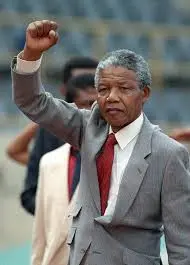
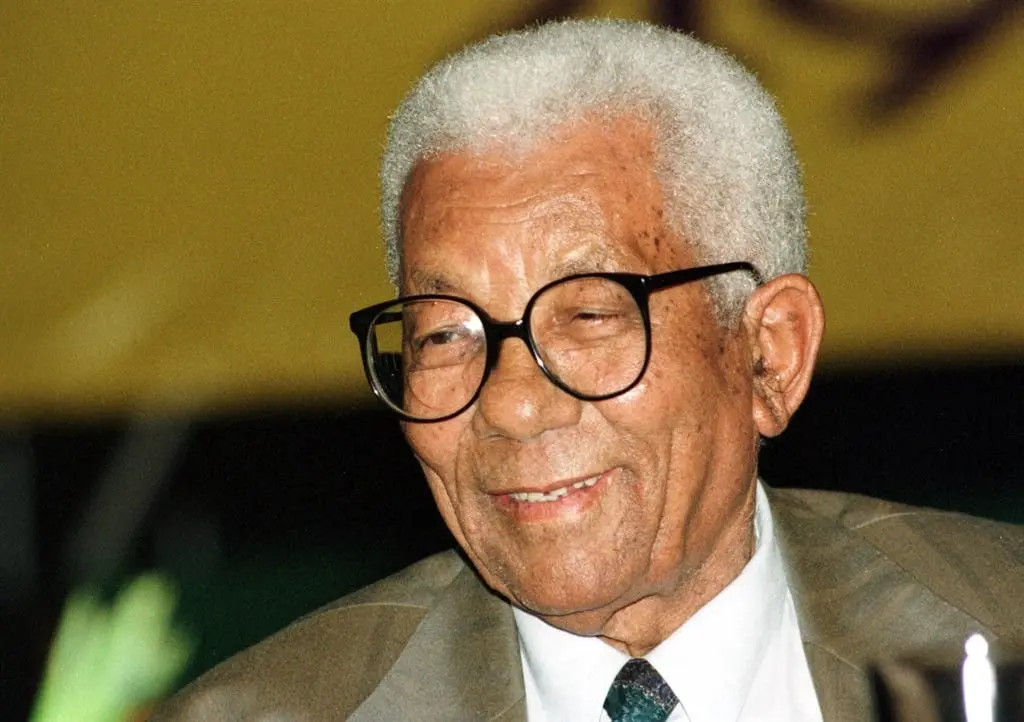
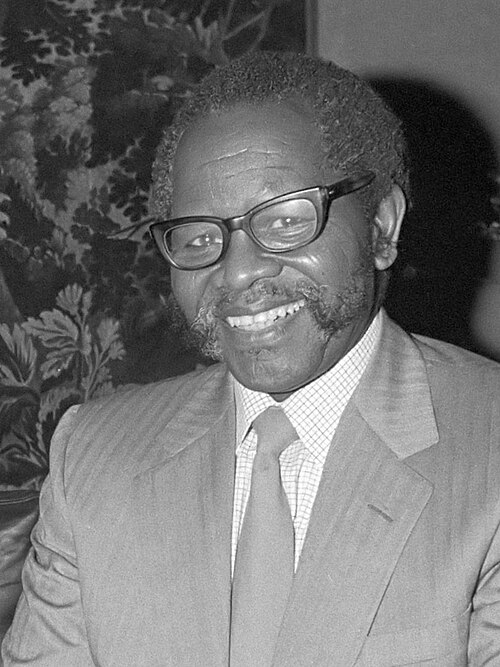
Apartheid was not an aberration in South African history but its culmination — the systematic codification into law of the racial hierarchy that had been the operating principle of South African society since European settlement began in 1652. When the National Party won the election of 1948 and began implementing the apartheid system — the Population Registration Act, the Group Areas Act, the Suppression of Communism Act, the Separate Amenities Act, the Bantu Education Act, the pass laws — it was building on foundations that British colonialism and Boer settler politics had laid across two centuries. The African National Congress, founded in 1912, had spent its first four decades attempting to work within the constitutional framework; the apartheid system made clear that the constitutional framework was designed to exclude Africans entirely. The Youth League generation — Nelson Mandela, Walter Sisulu, Oliver Tambo, Anton Lembede, A.P. Mda — transformed the ANC in 1949 with a Programme of Action that committed the organisation to mass civil disobedience, strikes, and boycotts. It was the turning point that made the ANC the mass organisation it became.
The Defiance Campaign of 1952, which Mandela and Sisulu co-organised, brought 8,500 volunteers to deliberate arrest for breaking apartheid laws and increased ANC membership from 7,000 to 100,000 in a single year. The Congress of the People at Kliptown in June 1955, where the Freedom Charter was adopted before police dispersed the gathering, articulated a vision of a non-racial democratic South Africa that has remained the touchstone of South African liberation politics ever since. Albert Luthuli, the Zulu chief who led the ANC through these years with extraordinary moral authority, received the Nobel Peace Prize in 1960 — the first African to do so. The Sharpeville massacre of March 1960, in which police killed 69 people peacefully protesting the pass laws, convinced the ANC leadership that non-violent resistance alone could not break the apartheid system. MK — Umkhonto we Sizwe, Spear of the Nation — was formed in 1961 by Mandela and Joe Slovo, with the intention of sabotaging economic installations without killing people. The sabotage campaign lasted until the Rivonia arrest of 1963, when the entire high command was captured at Lilliesleaf Farm and put on trial for their lives. Mandela's statement from the dock — "I have fought against white domination and I have fought against black domination. It is an ideal for which I am prepared to die" — remains one of the great political speeches of the twentieth century. He received life imprisonment rather than death, and went to Robben Island.
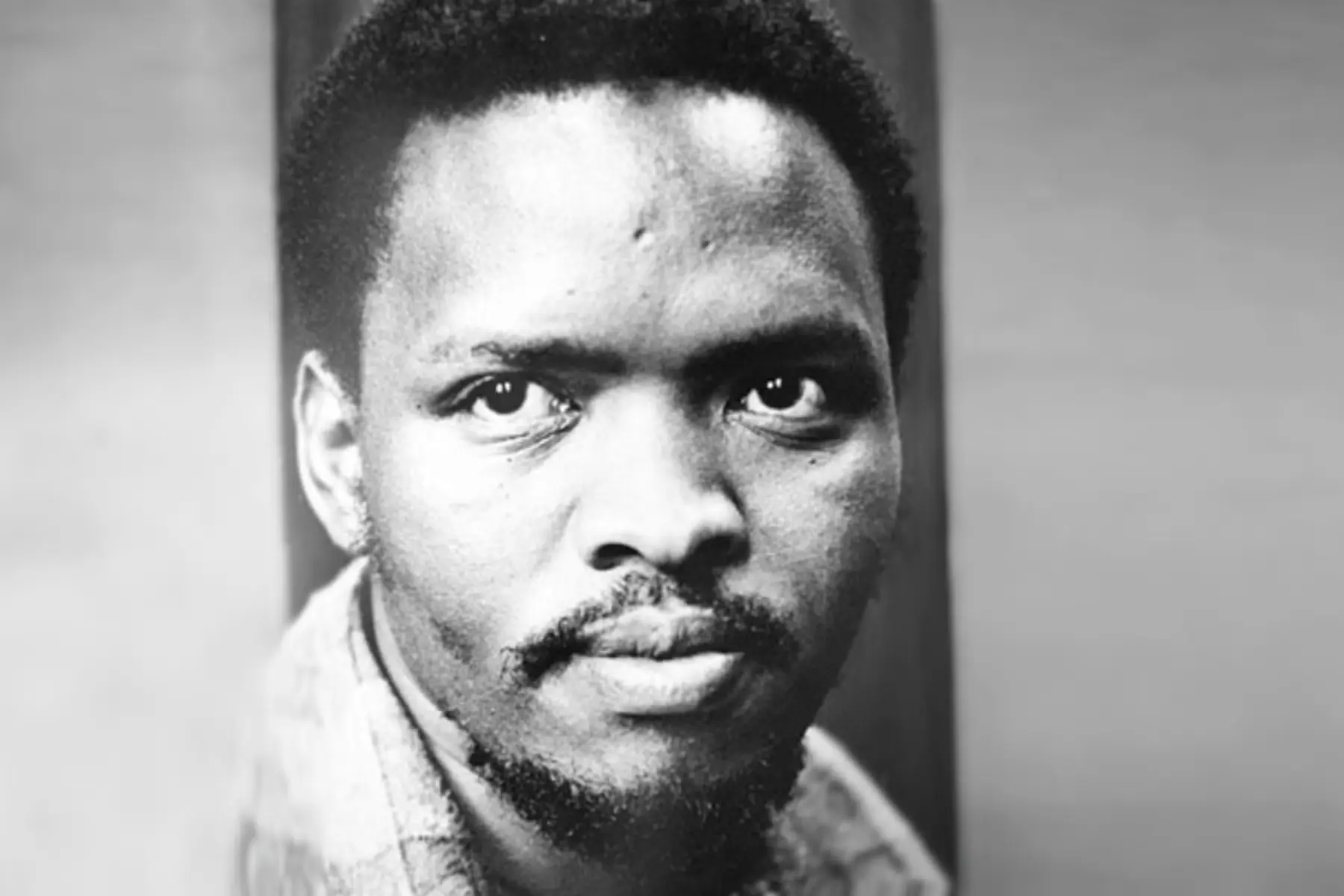
Steve Biko's Black Consciousness Movement arose in the late 1960s from the very completeness of the apartheid state's repression — with the ANC leadership imprisoned or exiled, the PAC broken, and the white liberal organisations coopted or intimidated, Biko and the South African Students Organisation articulated a philosophy that insisted on Black psychological liberation as the prerequisite for political liberation. "The most potent weapon in the hands of the oppressor is the mind of the oppressed," Biko wrote — and the BCM's work of building Black pride, Black self-reliance, and Black community organisations was understood by the apartheid security establishment as more threatening than armed resistance, because it operated at the level of consciousness that arms could not reach. Biko was banned, restricted to the King William's Town area, subjected to constant surveillance, and arrested multiple times. In September 1977 he was arrested at a roadblock, taken to Pretoria, beaten during interrogation, and transported naked and brain-damaged across 1,200 kilometres in a police Land Rover, dying on the floor of a prison cell. He was thirty years old. His murderers were never prosecuted.
The Soweto uprising of 16 June 1976 — when thousands of schoolchildren took to the streets to protest the enforcement of Afrikaans as a medium of instruction — introduced a new generation to the struggle and a new image of its cost: Hector Pieterson, thirteen years old, photographed being carried dying through the streets of Soweto by a fellow student. The uprising spread across the country, produced a generation of young activists who carried the BCM's politics into the 1980s, and decisively internationalised the anti-apartheid campaign. Tsietsi Mashinini, the SSRC leader who helped organise the march, fled into exile. Many of those who stayed were detained, tortured, or killed. The massacre and its aftermath, more than any single event since Sharpeville, broke whatever remained of apartheid's international legitimacy.
The 1980s brought the United Democratic Front — a coalition of hundreds of civic organisations, trade unions, student groups, and church bodies under the leadership of figures like Archie Gumede, Terror Lekota, and Popo Molefe — and COSATU, the trade union federation built by leaders including Elijah Barayi, Jay Naidoo, Emma Mashinini, and Cyril Ramaphosa, which organised the most powerful wave of labour action South Africa had ever seen. The ANC from Lusaka, under Oliver Tambo's presidency, coordinated the external mission, MK's guerrilla operations, and the international sanctions campaign that eventually convinced even South Africa's Western allies that the apartheid system had to end. Chris Hani, who had survived assassination attempts and harassment across decades of underground work and exile, returned to South Africa in 1990 as the most popular leader in the country after Mandela — and was shot dead in his driveway in Boksburg on 10 April 1993 by a Polish immigrant acting with the complicity of Conservative Party politician Clive Derby-Lewis. His assassination, more than any other event in the transition period, came close to derailing the negotiations; it was Mandela's televised appeal for calm, and the ANC's insistence on continuing the negotiated path, that prevented South Africa from descending into the racial war that many had feared. The first democratic election came on 27 April 1994. Mandela voted for the first time in his life at the age of seventy-five.