Zimbabwe's Three Acts — Nehanda's Bones, the Chimurenga, and the Betrayal
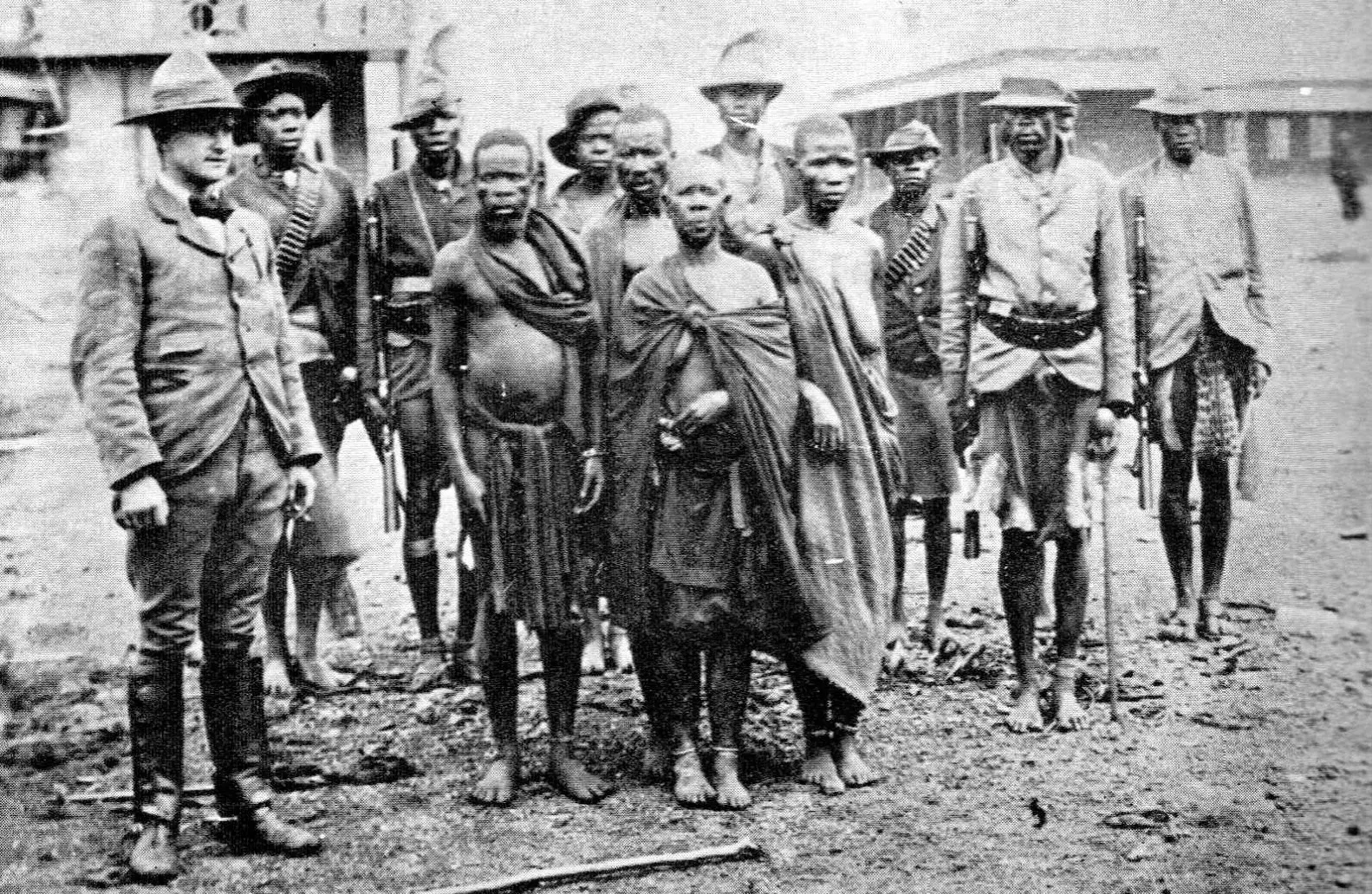
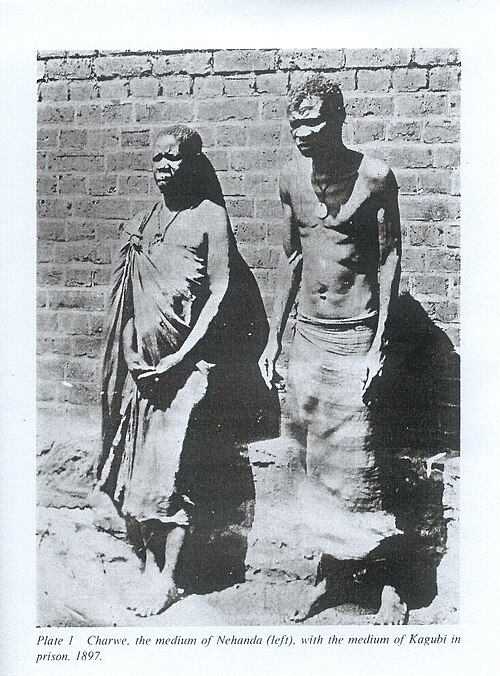
Zimbabwean liberation politics is structured around the concept of the Chimurenga — a word derived from the Shona name of Murenga, the spirit that animated resistance to the BSA Company's conquest — and around the prophecy attributed to Mbuya Nehanda as she stood on the scaffold in April 1898: "My bones will rise." Nehanda was a svikiro — a spirit medium through whom the ancestral spirit of Nehanda, one of the most powerful in the Shona religious world, was believed to speak — and her authority in the 1896 rising that convulsed the territory the BSA Company had renamed Rhodesia was simultaneously spiritual and military. She organised resistance, directed attacks on settler farms and BSA Company posts, and continued to fight until her capture in late 1897. Her refusal to convert to Christianity before her execution — her insistence on dying as herself, in her own spiritual tradition — and the prophecy she was said to have uttered about her bones rising transformed her from a historical figure into a permanent presence in Zimbabwean liberation culture. Her image was carried by ZANLA fighters in the bush, her name was invoked at political meetings, and when independence finally came in 1980, the generation that had won it understood itself as the fulfilment of what she had promised from the gallows in 1898.
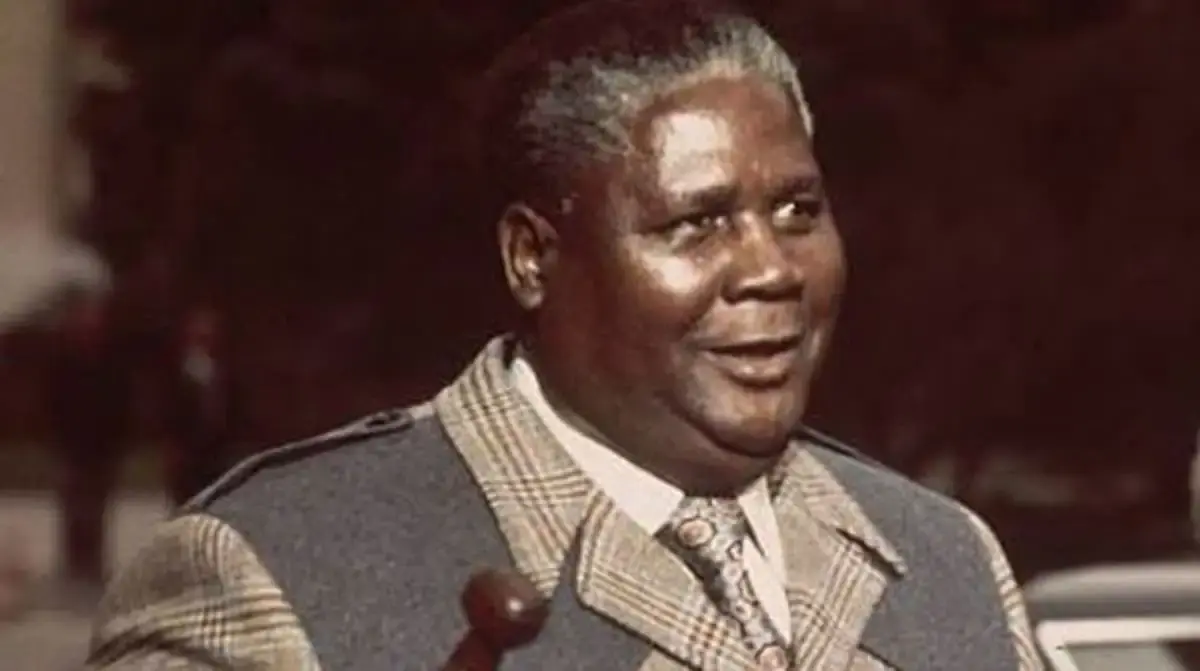
The Second Chimurenga — the guerrilla war against Ian Smith's Rhodesia — was among the most complex and internally fractured liberation struggles in African history, conducted simultaneously by two movements with incompatible political cultures and backed by competing external powers. ZAPU — the Zimbabwe African People's Union, founded by Joshua Nkomo in 1961 — drew its support predominantly from the Ndebele-speaking south and west and built ZIPRA, its armed wing, as a conventional military force trained and equipped by the Soviet Union and Cuba, designed for a decisive military confrontation with the Rhodesian army. ZANU — the Zimbabwe African National Union, which split from ZAPU in 1963 in a rupture that was simultaneously personal, ethnic, and ideological — drew its support predominantly from the Shona-speaking centre and east, built ZANLA with Chinese training and Maoist guerrilla doctrine, and conducted a campaign of political mobilisation in the rural areas as the foundation of armed struggle. The two movements fought each other as well as Rhodesia; their cadres killed each other in Zambia and Mozambique; and the unity they eventually achieved at Lancaster House in 1979 was the product of exhaustion, external pressure, and necessity rather than genuine political reconciliation.
Herbert Chitepo was the most important figure of ZANU's early period — Zimbabwe's first Black advocate, a man of formidable intelligence and political seriousness who directed the ZANLA guerrilla campaign from Lusaka with increasing effectiveness through the early 1970s. On 18 March 1975, a car bomb exploded under his car in the driveway of his Lusaka home, killing him instantly. The investigation that followed — conducted, controversially, by a Zambian commission that pointed at internal ZANU factionalism as the cause — led to the detention of most of ZANU's external leadership in Zambian prisons. The ZANLA commanders who emerged from that crisis — above all Josiah Tongogara, who rebuilt the military structure after Chitepo's death with extraordinary competence and ferocity — were a different generation from the founders, and they drove the escalation of the war through 1976, 1977, and 1978 that made Smith's Rhodesia militarily untenable. Tongogara died in a car crash on 26 December 1979 in Mozambique, the day after Christmas and just weeks before the independence he had done more than any other military commander to make possible. The circumstances of the crash have never been fully explained.
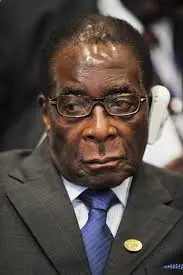
Robert Mugabe won the 1980 election with a majority so large — 57 of 80 common roll seats — that it surprised even his own movement. His initial governance was marked by genuine magnanimity: his first speech as Prime Minister called for national reconciliation, he retained white civil servants and military officers, and the first years of independence produced real gains in education and health care. The promise did not last. The Gukurahundi — the massacres of Ndebele civilians in Matabeleland and the Midlands between 1983 and 1987, conducted by the North Korean-trained Fifth Brigade and killing between 10,000 and 20,000 people — was the clearest demonstration that Mugabe's government had no intention of sharing power with the Ndebele-speaking community that had backed Nkomo's ZAPU. The Unity Accord of 1987 that merged ZAPU into ZANU was forced on Nkomo through terror, and Nkomo himself, who had spent decades in Rhodesian detention without trial and had led the liberation movement with enormous personal sacrifice, died in 1999 without ever having seen the perpetrators of Gukurahundi held accountable. The land invasions of the late 1990s, the destruction of the independent judiciary, the collapse of the economy through hyperinflation, and the systematic violence against opposition supporters through the 2000s reduced Zimbabwe from one of Africa's most economically sophisticated states to one of its most dysfunctional. Mugabe was removed in a coup by his own military in November 2017 and died in exile in Singapore in September 2019. The country Mbuya Nehanda's bones had risen to build was still, at his death, waiting to be built.
The archive also includes figures whose stories cut across the ZANU-ZAPU divide and illuminate the full complexity of the liberation movement: Leopold Takawira, ZANU's first vice-president who died in Rhodesian detention; Ndabaningi Sithole, ZANU's founding president who was supplanted by Mugabe and became a collaborator with Smith's regime; Edgar Tekere, Mugabe's most colourful comrade who eventually broke with him and founded an opposition party; George Nyandoro and James Chikerema, who built the City Youth League from which ZAPU emerged; and Ruth and Josiah Chinamano, who endured decades of detention together as ZAPU's most devoted couple. Their lives, taken together, form a portrait of what the Second Chimurenga demanded of those who lived it.