Figures You Should Know
Selected across four regions and seven centuries — from medieval resistance leaders to twentieth-century guerrilla commanders, hunger strikers, and the women the histories overlooked.
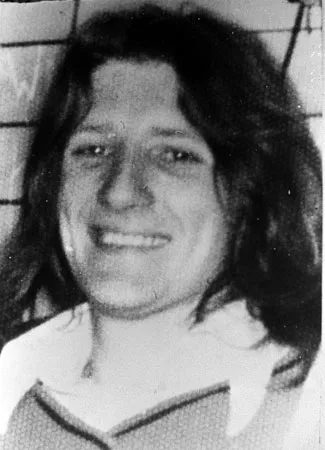
Began his hunger strike on 1 March 1981. Elected to Parliament with 30,492 votes while on strike. Died on day sixty-six at twenty-seven. Nine other prisoners followed. The strikes transformed Northern Irish politics and launched Sinn Féin's electoral strategy.
Read profile →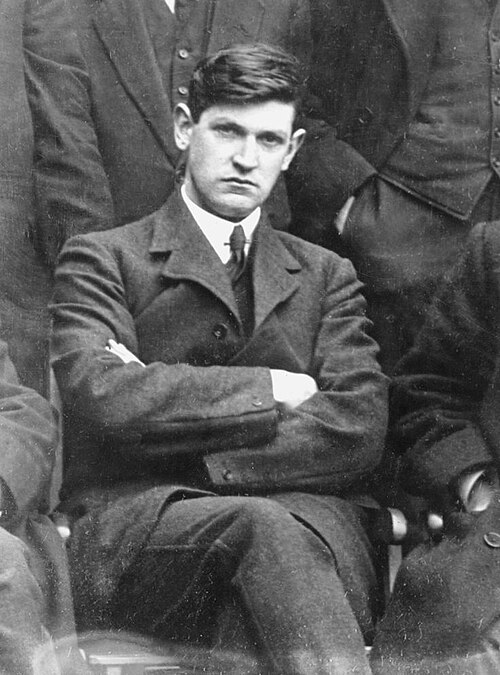
Built the most effective intelligence network in the British Isles and dismantled British intelligence in Dublin in a single day on Bloody Sunday, 1920. Negotiated the Anglo-Irish Treaty under duress. Assassinated in an ambush during the civil war at thirty-one.
Read profile →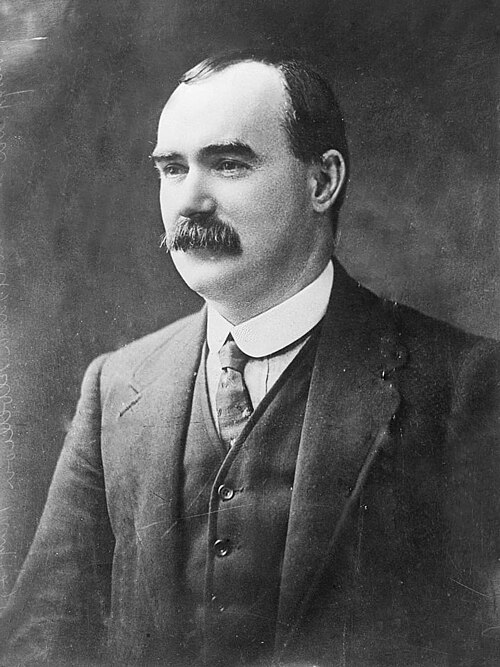
Combined Irish nationalism with Marxist class analysis more coherently than almost any figure in the European left. Commanded the Irish Citizen Army in the 1916 Easter Rising. Executed by firing squad while strapped to a chair — his wounds from the Rising prevented him standing.
Read profile →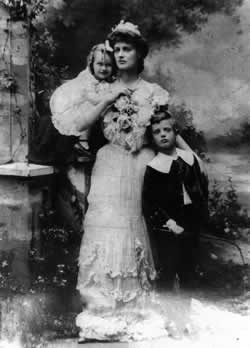
First woman elected to the British Parliament. Sentenced to death after the 1916 Rising and reprieved only because of her gender. Co-founded Fianna Éireann, the republican youth organisation. Her entire political biography has been systematically reduced to a footnote in accounts that foreground the men around her.
Read profile →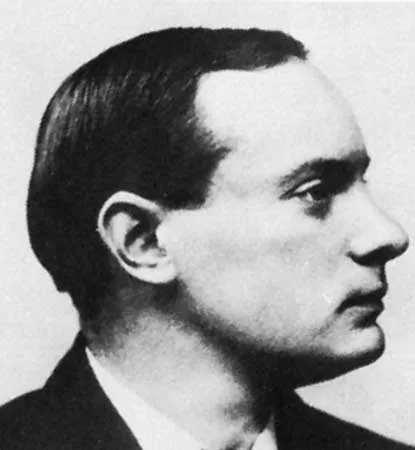
Headmaster, poet, and military commander who read the Proclamation of the Irish Republic on the steps of the GPO on Easter Monday 1916. Executed by firing squad on 3 May 1916 at thirty-six. His concept of the 'blood sacrifice' remains one of the most debated ideas in Irish political thought.
Read profile →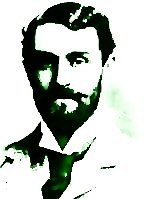
Used his position as a British consul to document atrocities in the Congo Free State and Peruvian Amazon, becoming the first international human rights investigator. Knighted by the British Crown, then hanged by it. His 'Black Diaries' — whose authenticity is still debated — were used to prevent clemency petitions from succeeding.
Read profile →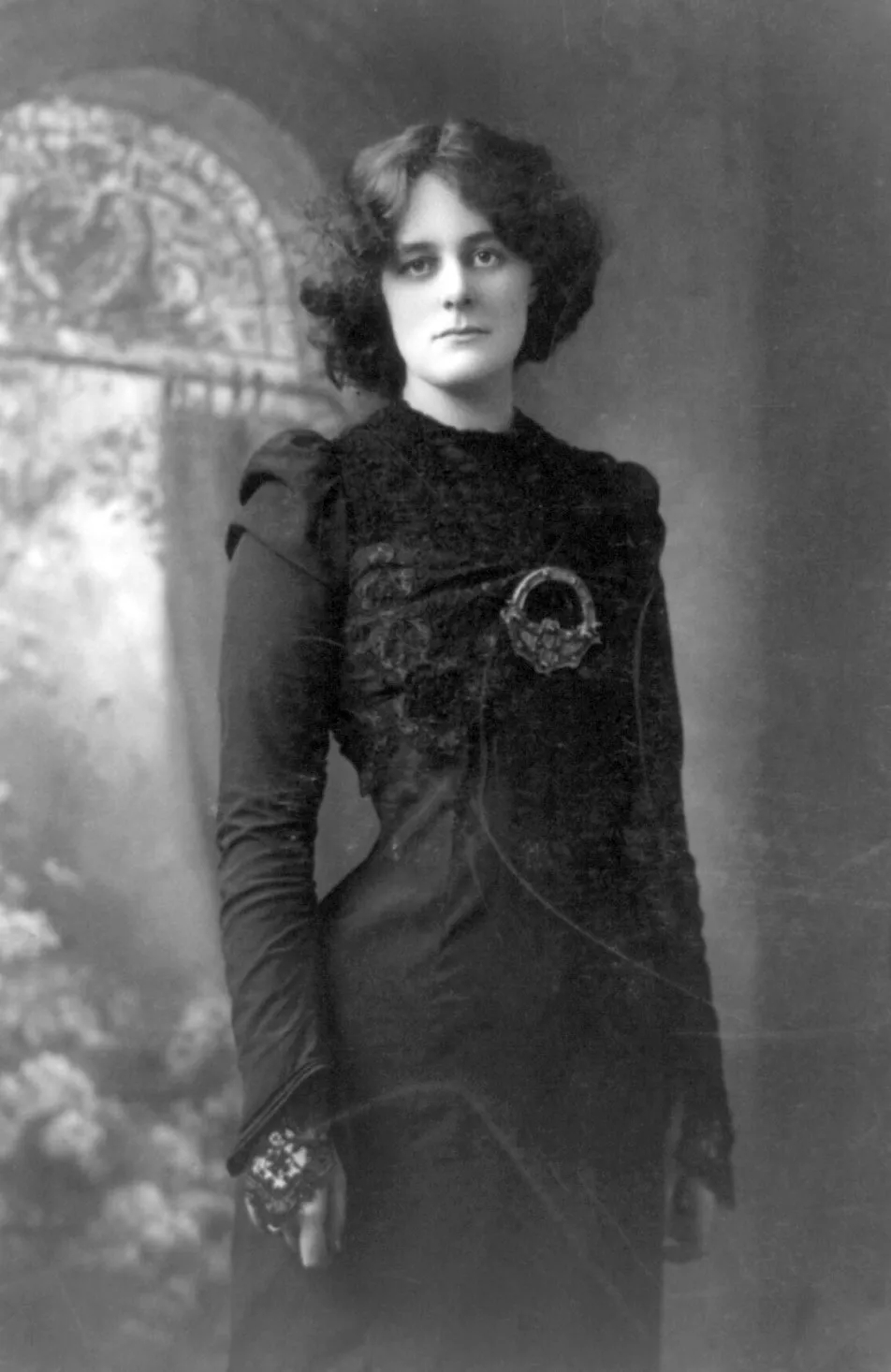
Founded Inghinidhe na hÉireann — Daughters of Ireland — in 1900. Led campaigns against British military recruitment during the Boer War. Organised feeding programmes for poor Dublin children. W.B. Yeats proposed to her four times. She devoted her life to the cause he wrote poems about, which is not the same thing.
Read profile →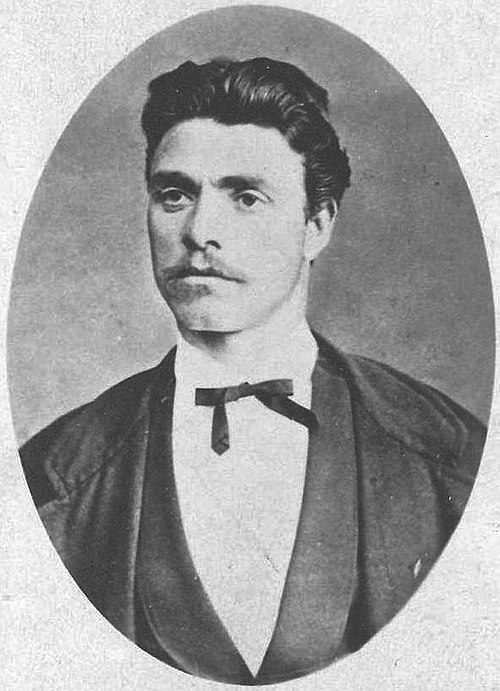
Spent eight years building a clandestine national liberation network across Bulgaria against Ottoman rule — travelling in disguise, establishing revolutionary committees in hundreds of towns and villages. Captured in 1872 and hanged in Sofia at thirty-five. Called the Apostle of Freedom in Bulgarian national memory.
Read profile →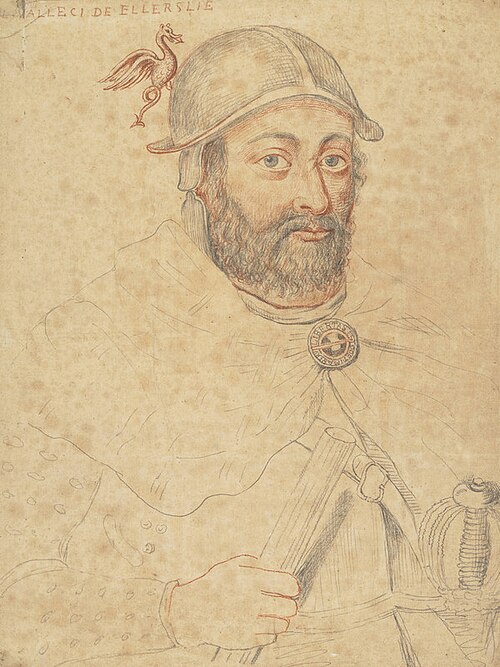
Commanded the Scottish army that defeated English forces at the Battle of Stirling Bridge in 1297. Executed in London in 1305 with maximum savagery — hanged, drawn, and quartered — in an attempt to make his cause seem hopeless. Scotland became independent under Robert the Bruce nine years later.
Read profile →
The Lord Mayor of Cork died in Brixton Prison on 25 October 1920 after seventy-four days on hunger strike. His death was watched by the international press and generated solidarity demonstrations from Chicago to Buenos Aires to Calcutta. He established the tactic Bobby Sands would use sixty-one years later.
Read profile →
Led the last major Welsh revolt against English rule from 1400 to 1415. Established the first Welsh Parliament at Machynlleth in 1404. Was never captured. Simply disappeared from the historical record around 1416 — a vanishing that became the most powerful element of his legend.
Read profile →
The only elected European head of government to be executed by a foreign power in the twentieth century. Arrested by the Gestapo in occupied France, extradited to Spain, court-martialled in twenty minutes, and shot by Franco's forces. He reportedly refused a blindfold and told the firing squad to do their duty.
Read profile →