Browse liberation histories by country and regional movements. Each section contains profiles, timelines, and primary-source driven analysis of anti-colonial struggles.
From Emir Abdelkader's resistance to French colonisation in Algeria in 1832 to the fall of apartheid in South Africa in 1994 — more than three hundred men and women across twenty-six nations who refused to accept the terms of colonial domination. Guerrilla commanders and constitutional lawyers. Hunger strikers and spirit mediums. Poets who became generals. This is their archive.
Africa's liberation history is the most extensive, the most geographically diverse, and — in the mainstream of Western historical education — the most systematically underdocumented of any continent's struggle for self-determination. This archive is an attempt to address that.
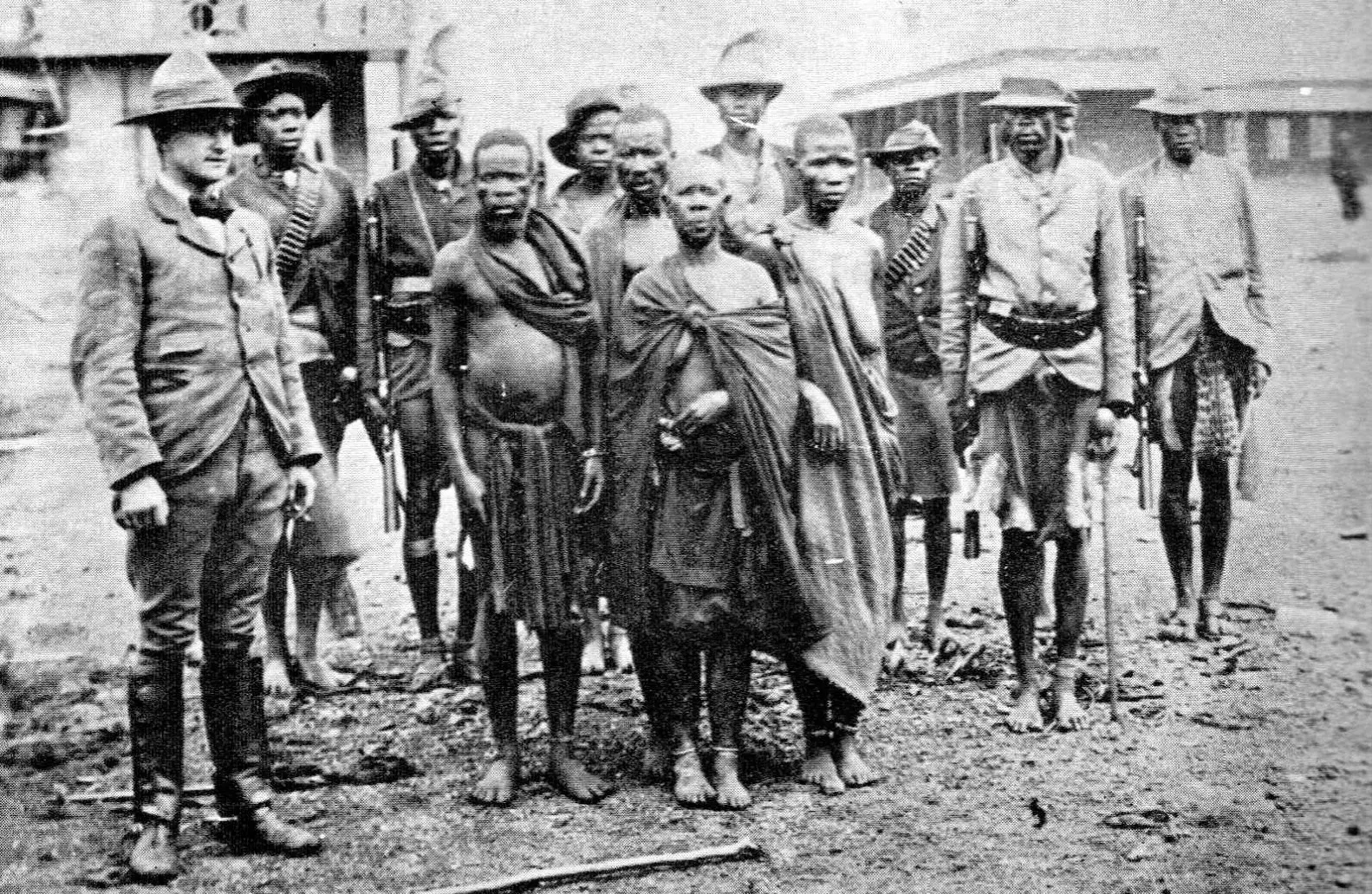
The conventional account of African decolonisation presents it as a post-World War Two phenomenon: a series of independence declarations between 1956 and 1975, organised by educated elites, granted by departing European powers in more or less orderly handovers. This account is false in almost every particular. African resistance to colonial conquest was immediate, sustained, and often militarily formidable. Yaa Asantewaa of the Ashanti in Ghana led a full military campaign against the British in 1900. Omar Mukhtar of Libya commanded guerrilla forces against Italian occupation for nearly twenty years before his public hanging in 1931. Mbuya Nehanda of Zimbabwe was executed by British colonial forces in 1898 and had already declared, correctly, that her bones would rise. They did — in the liberation war of the 1970s that bore her name.
The archive documents two distinct but overlapping phases of African liberation. The first is the armed and political resistance to initial colonial conquest and the imposition of colonial systems between roughly 1830 and 1940. This phase produced figures like Abd el-Krim of Morocco, who inflicted a catastrophic defeat on Spanish colonial forces at Annual in 1921 and governed the Rif Republic for five years; Sayyid Mohammed Abdullah Hassan of Somalia, the 'Mad Mullah' of British propaganda, who resisted British, Italian, and Ethiopian expansion for twenty-one years; and Ahmad Orabi of Egypt, whose 1882 uprising against Ottoman and British control was the first major nationalist revolt in the Arab world.
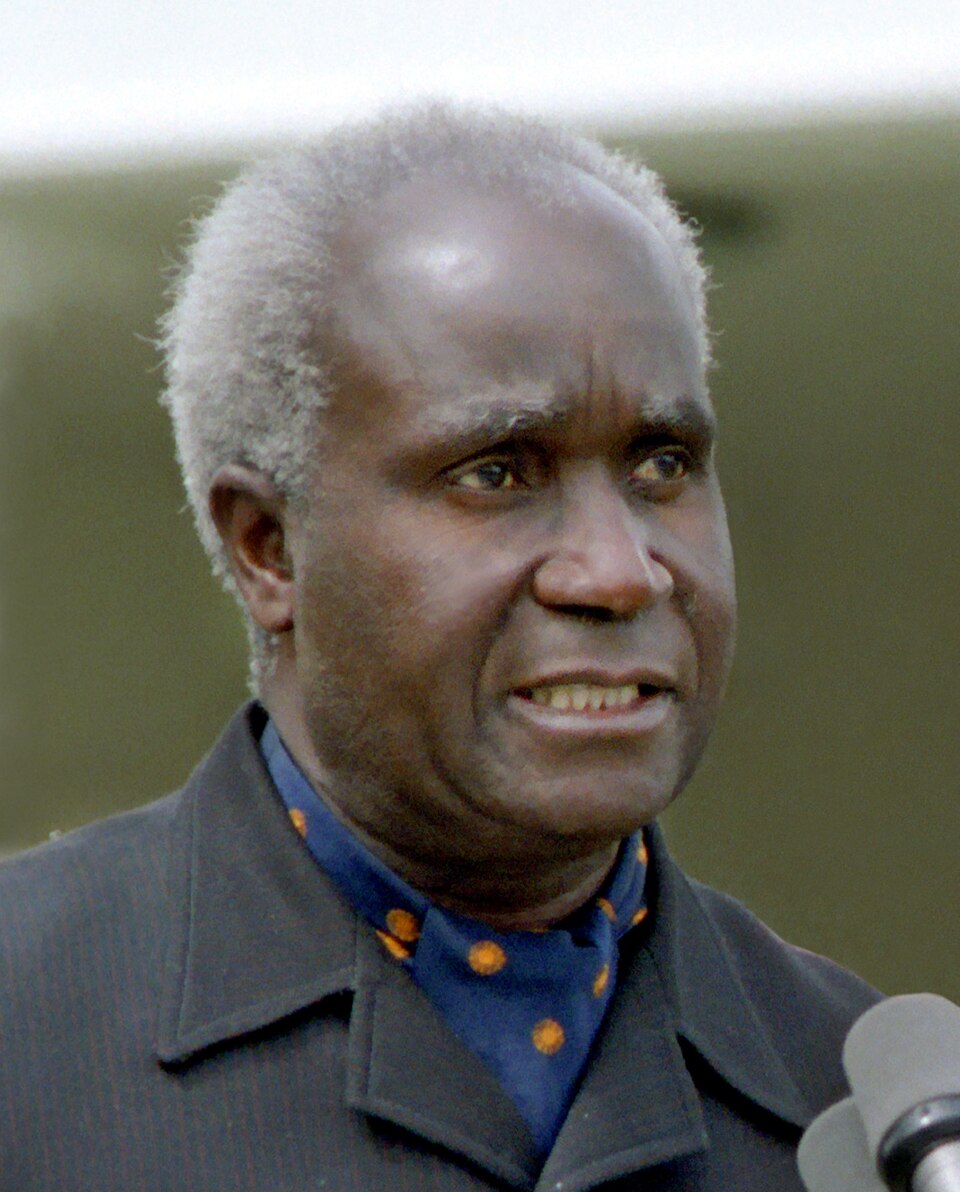
The second phase is the organised independence and liberation movements of the mid-twentieth century, which produced the continent's most internationally recognised figures: Kwame Nkrumah of Ghana, whose 1957 independence was the first in sub-Saharan Africa and whose pan-African vision shaped the founding of the Organisation of African Unity; Julius Nyerere of Tanzania, who built one of the continent's most coherent post-independence states while hosting liberation movements from across the continent; Kenneth Kaunda of Zambia, whose country served as a frontline state for the ANC, ZIPRA, and SWAPO throughout the southern African liberation wars; and Nelson Mandela, whose twenty-seven years of imprisonment became the central international symbol of apartheid's brutality and whose release in 1990 marked the beginning of the transition that ended it.
But the archive deliberately documents figures beyond this canonical list. The women of the liberation movements — Djamila Bouhired and Zohra Drif of Algeria's FLN, who carried out bombings in Algiers' European quarter while in their early twenties; Deolinda Rodrigues of Angola's MPLA, who was captured and executed by the FNLA at twenty-eight; Albertina Sisulu and Helen Joseph and Lilian Ngoyi and Winnie Mandela of the ANC, who maintained the South African movement during the decades when its male leadership was imprisoned or exiled; Graca Machel of Mozambique, who built the educational infrastructure of a liberated country while her husband Samora Machel fought and later governed it — these women have been systematically written out of the history that their organisations later recorded.
The archive also documents the cost. Of the three hundred individuals profiled in this section, the majority were imprisoned, exiled, tortured, or killed. Patrice Lumumba was executed at thirty-five, eleven weeks after taking office. Thomas Sankara was assassinated at thirty-seven after 1,531 days in government. Chris Hani was shot in his driveway at fifty. Steve Biko was tortured to death at thirty years old; the inquest found no one responsible. Solomon Mahlangu was hanged by the apartheid state at twenty-three and reportedly told his mother: 'Tell my people that I love them and that they must continue the fight.'
Africa's liberation history did not end in 1994 with the fall of apartheid, which is where most Western accounts stop. The archive includes figures from the independence movements of the 1950s and 1960s who lived to see their revolutions compromised, reversed, or captured by new elites. It includes the thinkers — Frantz Fanon, Amílcar Cabral, Walter Rodney, Cheikh Anta Diop — whose theoretical work shaped liberation movements far beyond Africa. And it includes the ongoing struggles: the Western Sahara, Somaliland, the continuing displacement of communities across the continent whose liberation remains unfinished business.
A selection across regions, eras, and the spectrum of tactics — from armed resistance to constitutional politics to intellectual work that shaped the entire global liberation tradition.
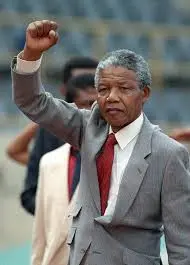
Twenty-seven years imprisoned. First democratically elected President of South Africa. His 1964 statement from the dock — 'an ideal for which I am prepared to die' — was read into parliamentary records on every continent.
Read profile →
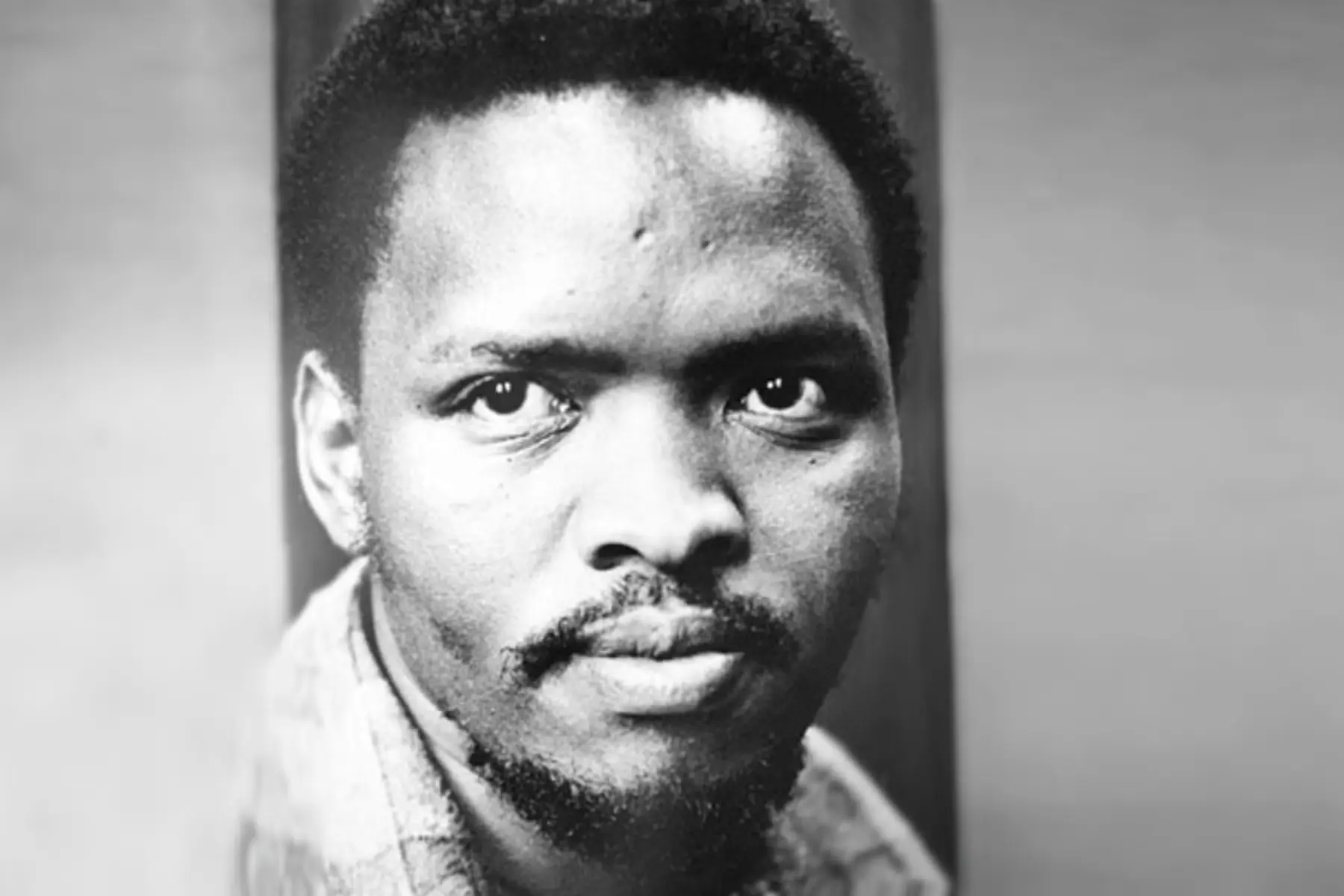
Founded SASO at twenty-three. Articulated Black Consciousness as a philosophy of psychological liberation before political liberation. Tortured to death in police custody at thirty. The inquest found no one responsible.
Read profile →
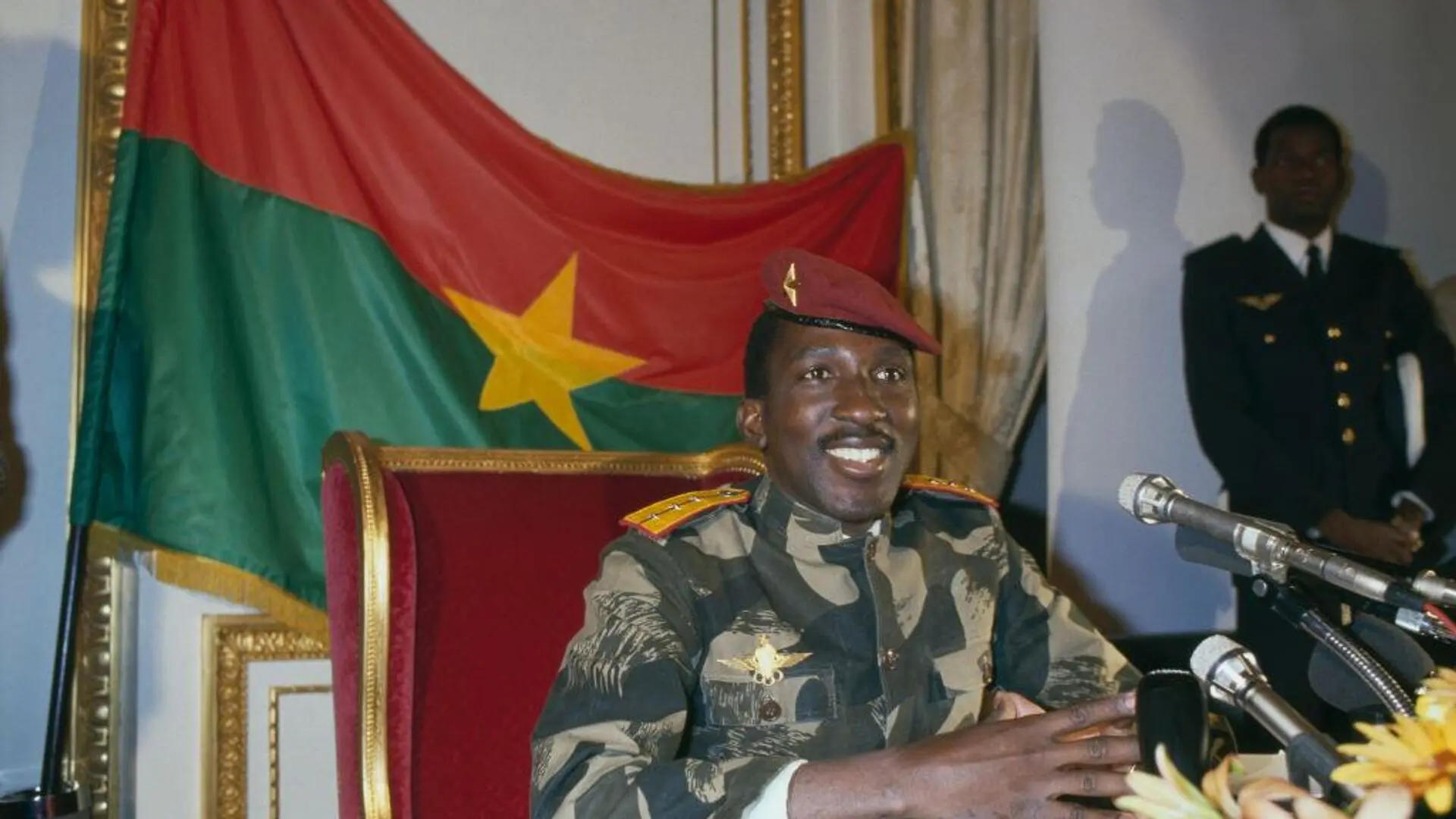
Governed for 1,531 days. Vaccinated 2.5 million children in a week. Reduced the presidential salary to $450 a month. Refused IMF loans. Assassinated at thirty-seven. His legacy has undergone profound revival across Africa since 2010.
Read profile →
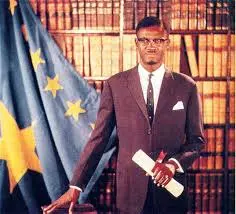
Elected Prime Minister of independent Congo in June 1960. Deposed eleven weeks later in a CIA-backed coup. Executed at thirty-five. His body was dissolved in sulfuric acid. His tooth was returned to his family by Belgium in 2022.
Read profile →
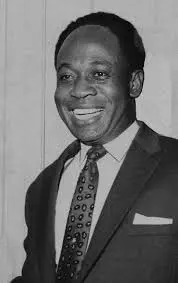
Led Ghana to the first sub-Saharan African independence in 1957. Co-founder of the Organisation of African Unity. His pan-African vision — 'Africa must unite' — remained the continent's most ambitious political framework.
Read profile →
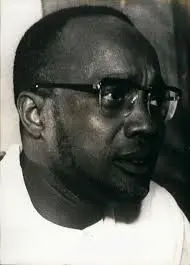
The most sophisticated liberation theorist of the twentieth century. Built PAIGC into a movement that controlled two-thirds of Guinea-Bissau by 1971, running free schools and clinics. Assassinated by a PIDE-recruited informant nine months before independence.
Read profile →
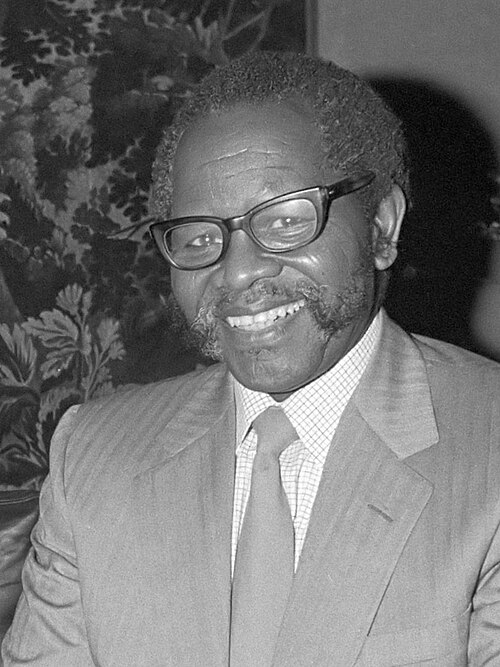
Led the ANC from exile for three decades while Mandela was imprisoned, building the movement's international networks, military wing, and the global anti-apartheid solidarity campaign that isolated the South African regime.
Read profile →
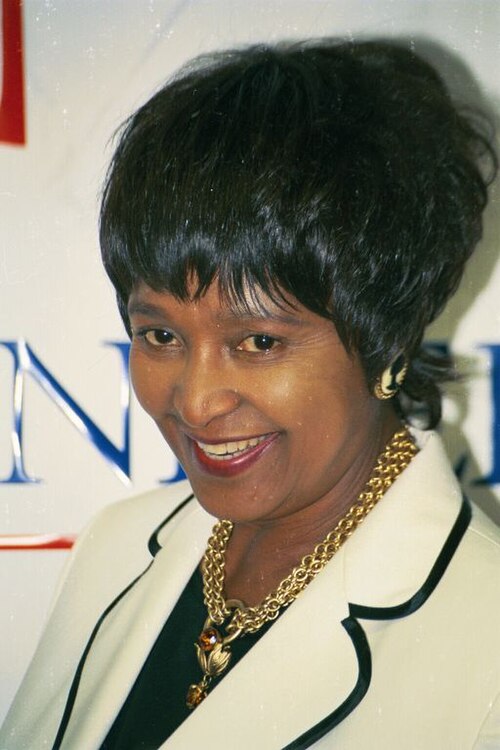
Subjected to seventeen months of solitary confinement, multiple bannings, and repeated imprisonment while her husband was on Robben Island. Maintained visible resistance inside South Africa when the ANC leadership was imprisoned or exiled. A figure of profound internal contradiction and undeniable courage.
Read profile →
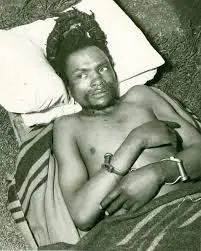
Field Marshal of the Kenya Land and Freedom Army (Mau Mau). Led armed resistance against British colonial rule from the forests of Mount Kenya. Captured in 1956, tried, and hanged at thirty-seven. Britain formally acknowledged the Mau Mau uprising in 2013.
Read profile →
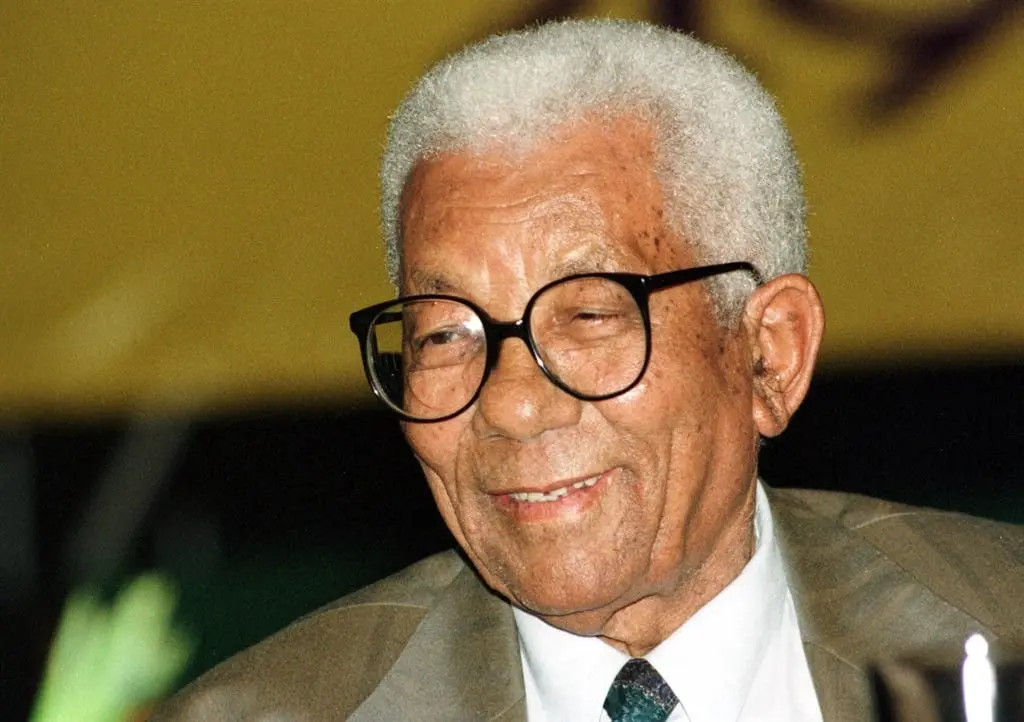
The organisational architect of the ANC's modern structure. Mentored Nelson Mandela. Imprisoned alongside Mandela from 1964 to 1989. Released at seventy-seven. Described by Mandela as 'the greatest ANC leader I have ever known.'
Read profile →
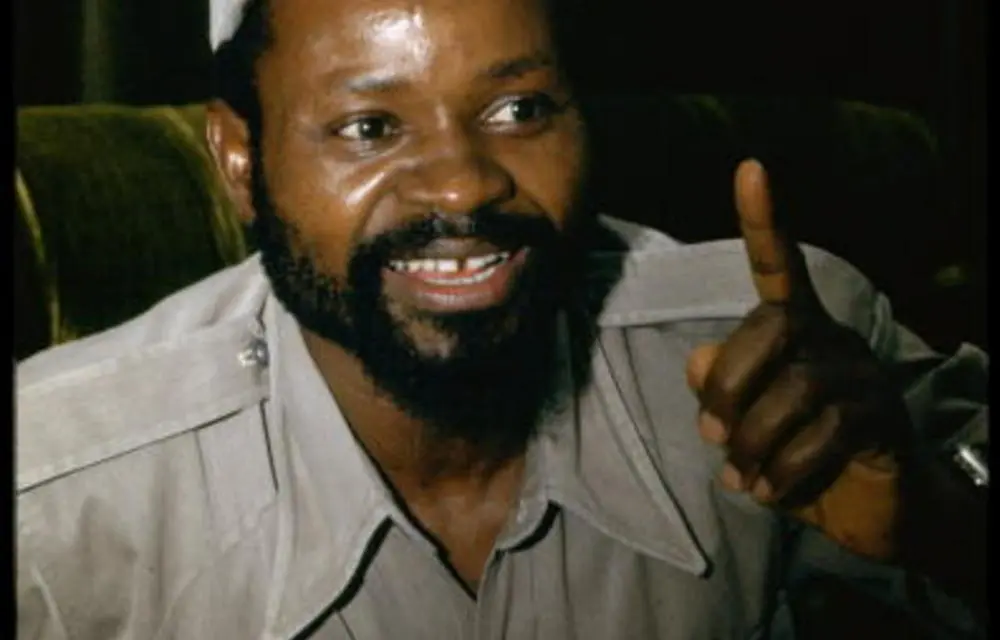
Led FRELIMO's ten-year armed campaign against Portuguese colonial rule. First President of independent Mozambique from 1975 until his death in a plane crash under disputed circumstances in 1986. His government provided sanctuary to the ANC and ZIPRA.
Read profile →
One of the most decisive armed struggles in African history, Algeria's war against French colonial rule (1954–1962) reshaped global anti-colonial strategy.
Ben Bella · Bouhired · Ben M'hidi · Abane Ramdane
The most documented liberation struggle in Africa — from early resistance to apartheid's fall in 1994.
Mandela · Biko · Sisulu · Tambo · Hani
The Mau Mau uprising and land resistance movements defined Kenya's path to independence.
Kenyatta · Kimathi · Mboya
First sub-Saharan African nation to gain independence in 1957 under Nkrumah.
Nkrumah · Danquah · Asantewaa
A complex independence movement shaped by regional power struggles and political elites.
Azikiwe · Awolowo · Balewa
Early nationalist revolutions shaped the Arab world's anti-colonial direction.
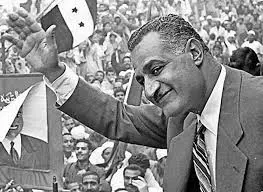
Nasser · Zaghloul · Orabi
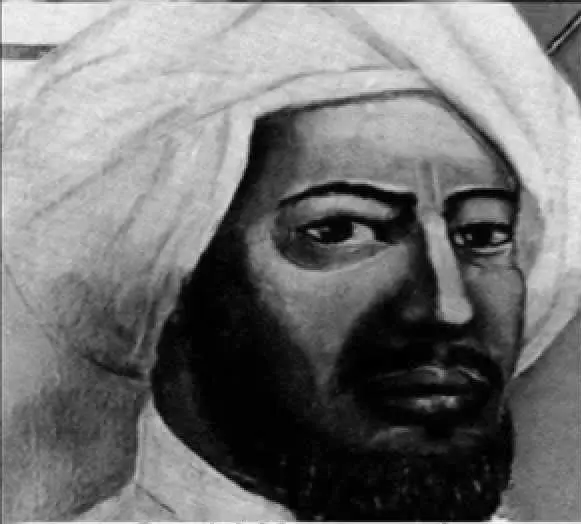
The Rif War marked one of the first major defeats of European colonial forces in Africa.
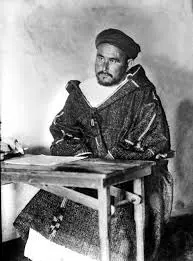
Abd el-Krim · Mohammed V
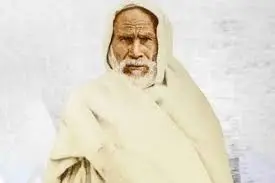
Omar Mukhtar led one of the longest sustained guerrilla wars against Italian occupation.
Mukhtar · al-Baruni
Independence achieved through political organisation and labour resistance.
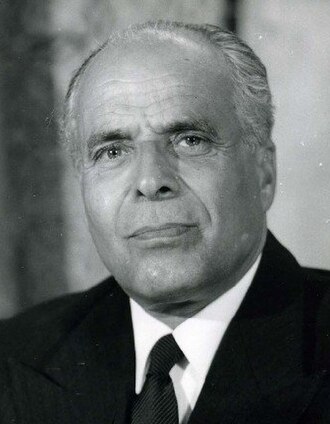
Bourguiba · Hached
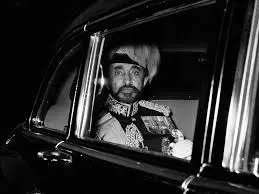
From resisting Italian invasion to Eritrea's 30-year independence war.
Selassie · Afwerki
Early armed resistance against British and Italian expansion.
Hassan · Egal
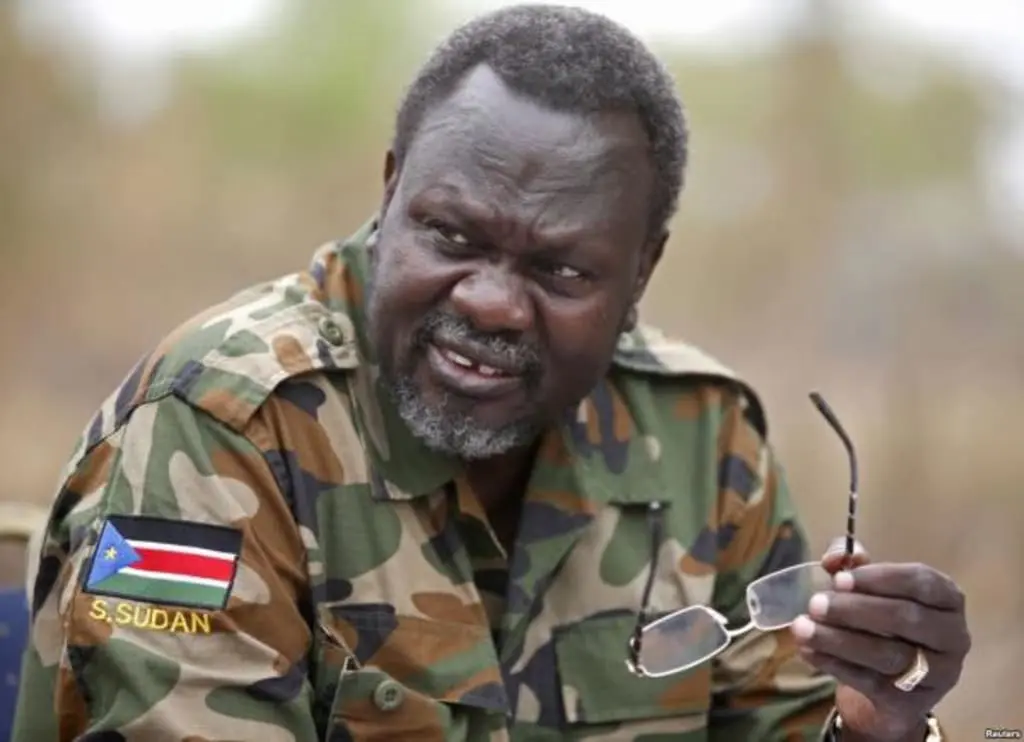
Long civil wars leading to the creation of South Sudan in 2011.
Garang · Kiir
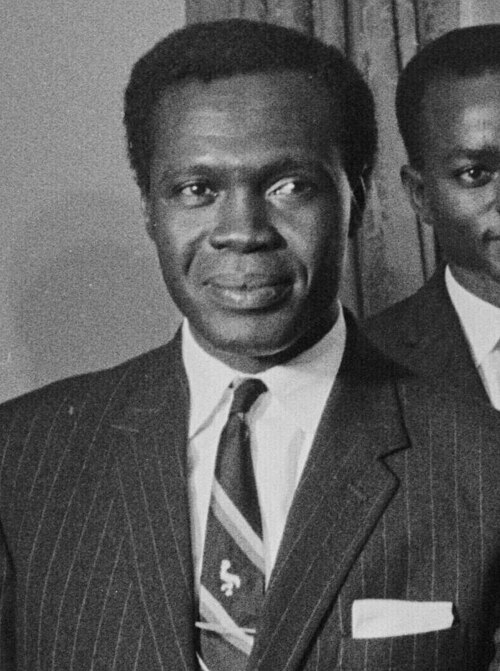
A transition from monarchy-based rule to modern independence struggles.
Obote · Kiwanuka
A political and ideological centre for African liberation movements.
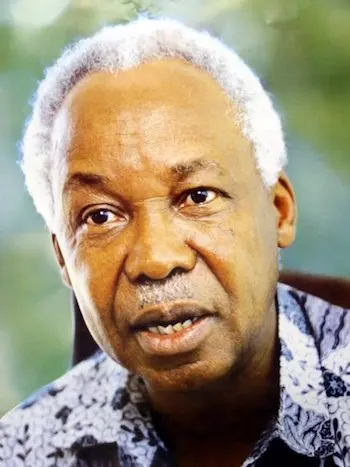
Nyerere · Karume
FRELIMO's armed struggle defeated Portuguese colonial rule.
Machel · Mondlane
A Cold War battleground shaped by competing liberation movements.
Neto · Savimbi
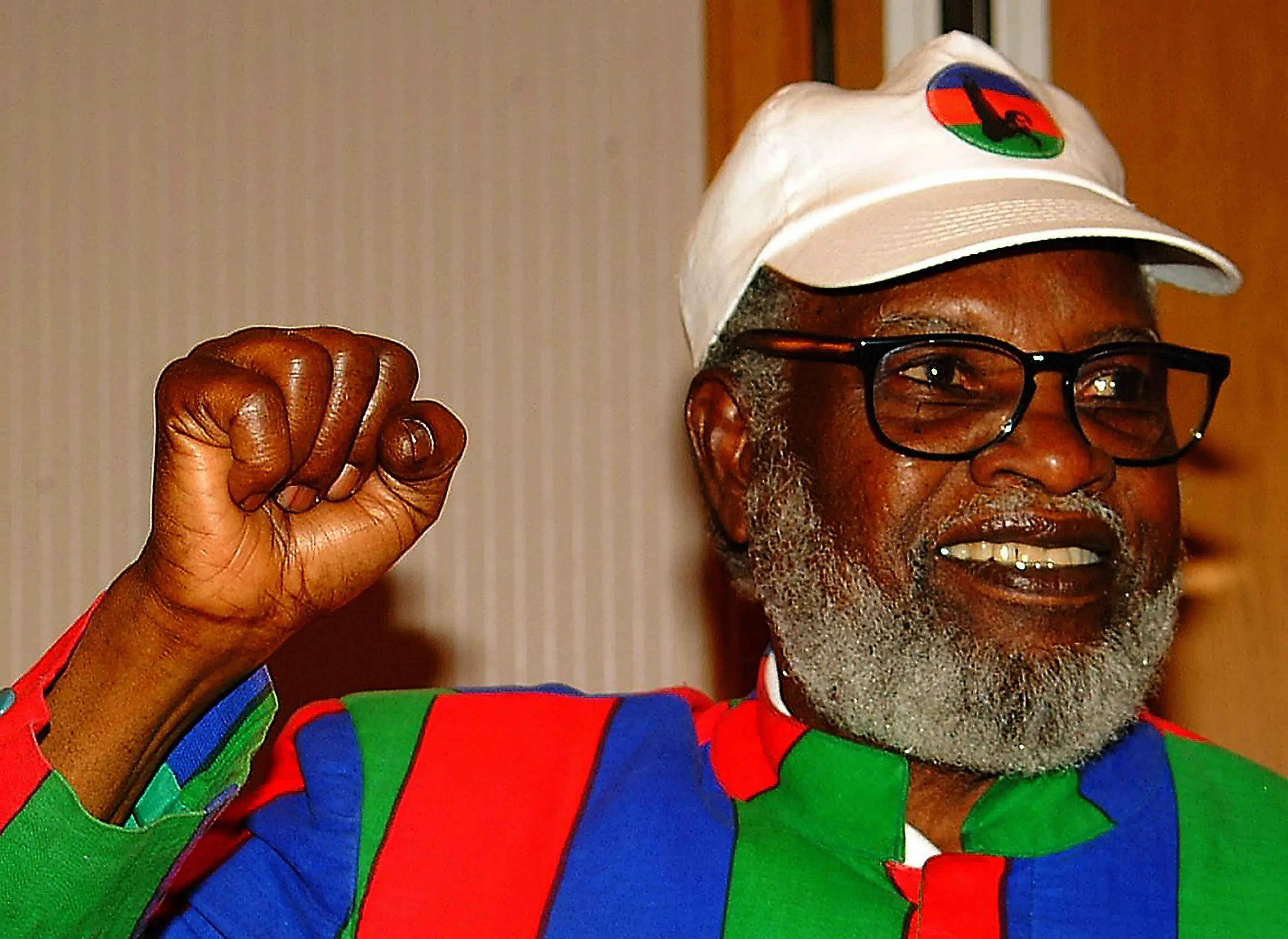
The last African colony to gain independence (1990).
Nujoma · Toivo
From early spiritual resistance to the Second Chimurenga war.
Nehanda · Mugabe
Frontline states supporting liberation across Southern Africa.
Kaunda · Banda
Marked by assassinations, coups, and Cold War intervention.
Lumumba · Kabila
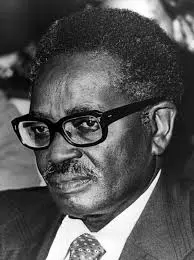
Highly organised liberation struggle led by Cabral.
Cabral · Pereira
Intellectual and revolutionary centres of African independence.
Sankara · Senghor · Touré
Independence shaped by colonial ethnic divisions and political assassinations.
Rwagasore · Kagame
Smaller states navigating independence alongside apartheid South Africa.
Khama · Sobhuza II
Profiles are added continuously. Many entries currently carry only basic biographical information — these are marked as stubs and will be expanded. If you have corrections, additional sources, or information about individuals not yet documented, use the contact form.
Choose which cookies you're happy for us to use. You can change this at any time from the "Cookie Settings" link in the footer.