Essential Profiles
Three wars of independence across a century, and a revolution that remade not just Cuba but the political imagination of the entire developing world. The men and women who fought for Cuban freedom paid extraordinary prices — José Martí killed in his first battle, Antonio Maceo struck down after 27 wounds, Frank País assassinated at 22, Haydée Santamaría shown her brother's eye in a torture cell before she refused to break. From the Grito de Yara in 1868 to the guerrillas descending from the Sierra Maestra in January 1959, Cuba's freedom fighters built one of the most sustained and dramatically recorded liberation struggles in the history of the Americas.
Cuba's struggle for independence from Spain lasted thirty years across three wars. The Ten Years' War (1868–1878) ended in a compromise that satisfied no one. The Little War (1879–1880) was quickly suppressed. The final War of Independence (1895–1898), organised by José Martí from New York and fought by Antonio Maceo and Máximo Gómez, ended Spain's empire — but delivered Cuba into a U.S. protectorate rather than true independence.
On 26 July 1953, Fidel Castro led 160 rebels in a disastrous attack on the Moncada Barracks. He was imprisoned, tried, and exiled. He returned in December 1956 aboard the Granma with 82 fighters. By January 1959, with never more than a few hundred guerrillas, he had toppled the Batista dictatorship — his urban underground led by Frank País and Celia Sánchez as essential as any battle in the mountains.
Cuba's liberation struggle was inseparable from the question of race. Antonio Maceo refused the Peace of Zanjón that ended the Ten Years' War specifically because it did not abolish slavery. Mariana Grajales and her sons made the Maceo family's Afro-Cuban experience central to the independence tradition. The 1912 massacre of thousands of Black Cubans who had organised independently exposed the deep racial limits of the republic that independence had created.
Cuba was Spain's most valuable remaining colony in the Americas — "the Pearl of the Antilles" — and Spain held it with extraordinary tenacity, deploying armies of up to 300,000 troops during the final war of independence. The struggle that finally freed Cuba from Spanish rule took thirty years, cost hundreds of thousands of lives, and was then immediately compromised by U.S. intervention that turned formal independence into a protectorate. The revolution that completed Cuba's liberation came sixty years later, built by a generation that had grown up in the shadow of that failure.
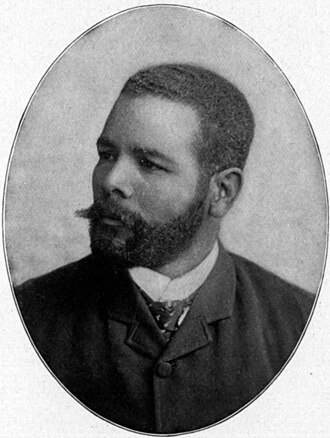
On 10 October 1868, Carlos Manuel de Céspedes — a lawyer and landowner in the eastern Oriente province — freed his enslaved workers and rang the bell of his sugar mill to call them to arms against Spain. This act, the Grito de Yara, launched the Ten Years' War. Céspedes became the revolution's first president, leading it until he was deposed by a rebellion within his own movement. He died in a Spanish ambush in 1874, having refused to compromise his principles even when Spain offered his captured son's life in exchange. The Ten Years' War produced Cuba's greatest military hero: Antonio Maceo, the Afro-Cuban general whose mother Mariana Grajales reportedly told her wounded son to bind his wounds quickly and return to battle, and who led troops with a ferocity that made him the most feared commander on the island.
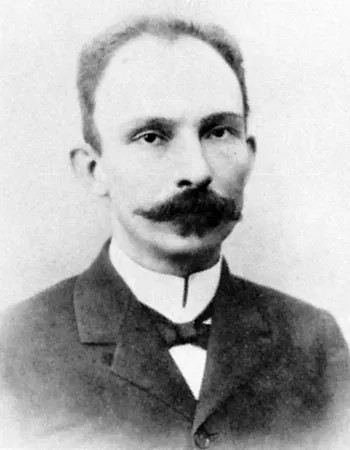
José Martí was fifteen when he was imprisoned by Spanish authorities for supporting the Ten Years' War and had his ankles shackled in a stone quarry. He spent most of his adult life in exile — in Spain, Mexico, Guatemala, Venezuela, and finally New York — writing poetry, journalism, and political essays that defined a vision of Cuban independence that was not merely anti-colonial but genuinely humanist. He organised the Cuban Revolutionary Party, raised funds, coordinated the return of independence veterans, and landed in Cuba in April 1895. On 19 May 1895, at Dos Ríos, he rode on horseback into a Spanish ambush despite being told not to. He was killed. He was forty-two years old and had never won a battle. He had, however, written the intellectual and moral framework that would sustain Cuban nationalism for the next century and a quarter.
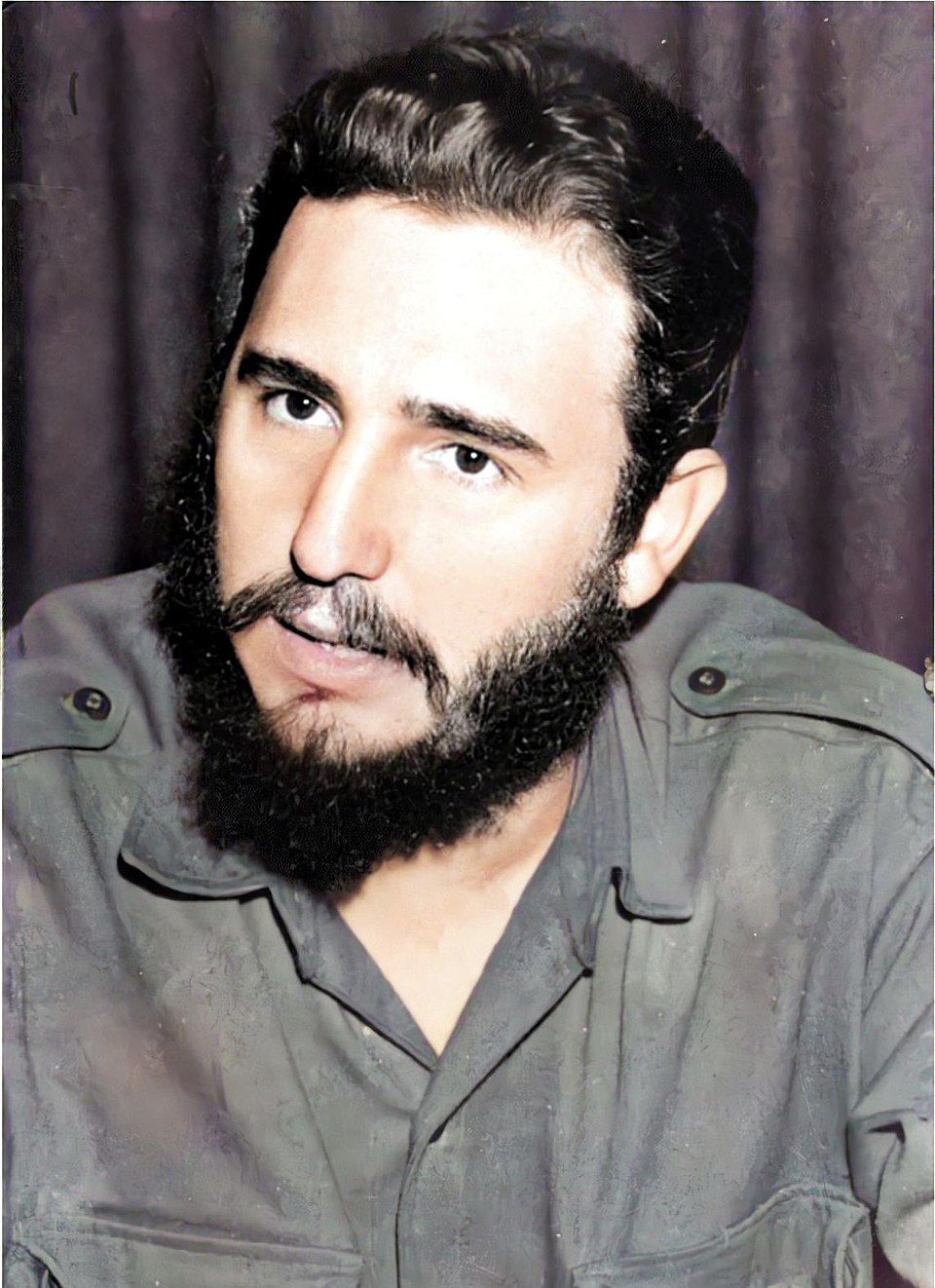
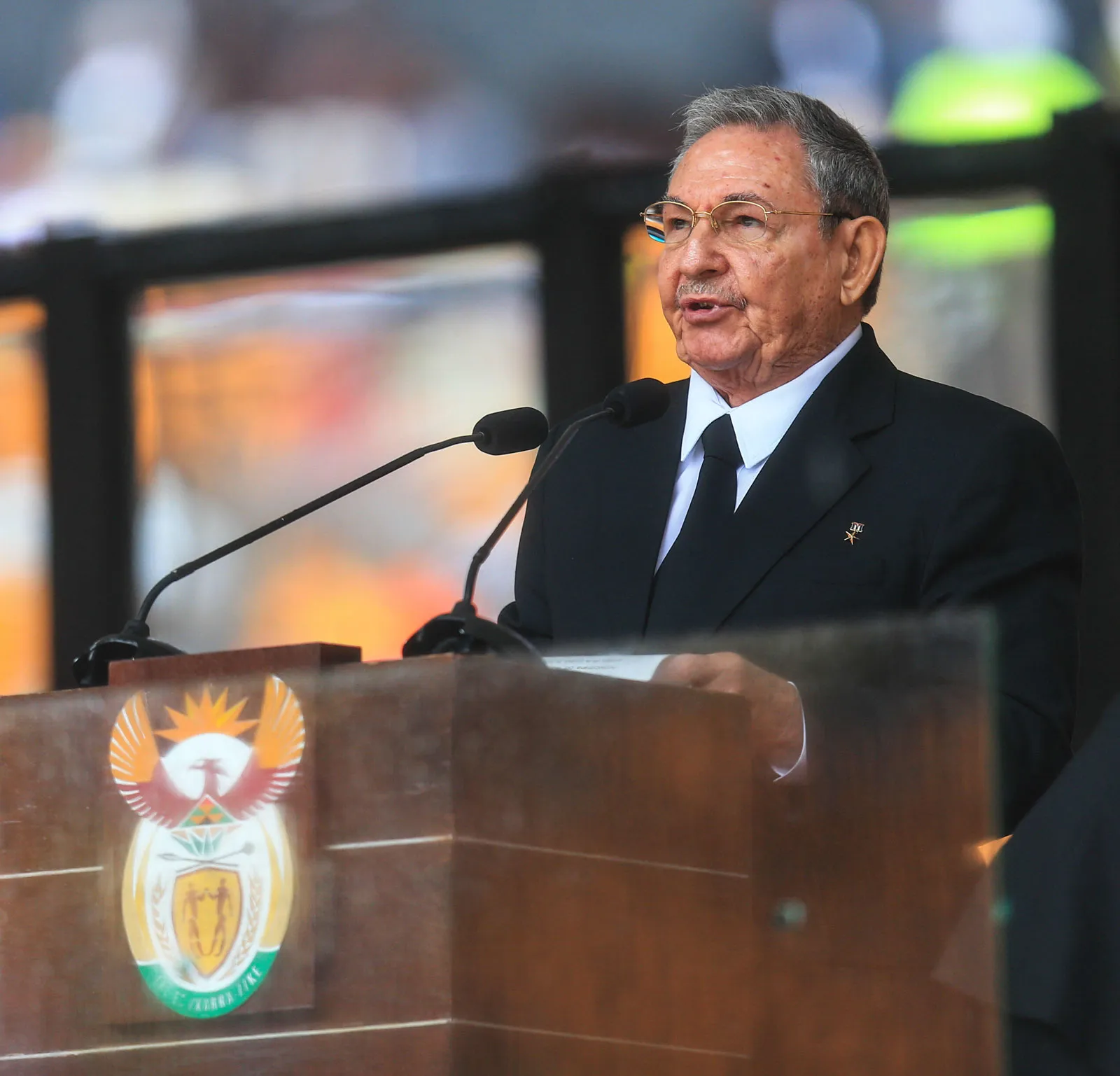
On 26 July 1953, Fidel Castro led 160 poorly armed rebels in a dawn attack on the Moncada Barracks in Santiago, hoping to seize weapons and trigger an uprising. The attack was a catastrophe — more than half the attackers were killed or captured, many of them tortured and executed after surrender. Castro was tried, delivered a four-hour speech in his own defence — "History will absolve me" — and was sentenced to fifteen years. He served two before being amnestied and exiled to Mexico. He returned on 2 December 1956 aboard the leaking yacht Granma with 82 fighters including Che Guevara and Raúl Castro. They landed in the wrong place, were ambushed immediately by Batista's forces, and fewer than twenty survived to reach the Sierra Maestra mountains. From this near-annihilation, the guerrilla campaign that toppled a government was built.
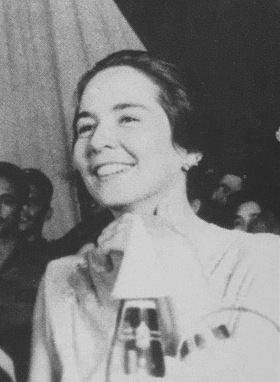
The revolution in the mountains could not have succeeded without the revolution in the cities. Frank País, a Baptist schoolteacher's son who became the 26th of July Movement's underground chief in Santiago, was the organisation's most gifted organiser. He procured weapons, recruited members, planned the urban rising timed to coincide with the Granma landing, and kept the movement supplied and coordinated while Fidel was in the mountains. He was twenty-two when Batista's police caught him on a Santiago street in July 1957 and shot him. The entire city shut down for his funeral. Celia Sánchez, who had organised the network of supporters and supply lines through the Granma landing zone before the guerrillas arrived, went into the mountains herself and became Fidel's closest collaborator — managing everything from weapons procurement to diplomatic correspondence to the daily logistics of the guerrilla column.
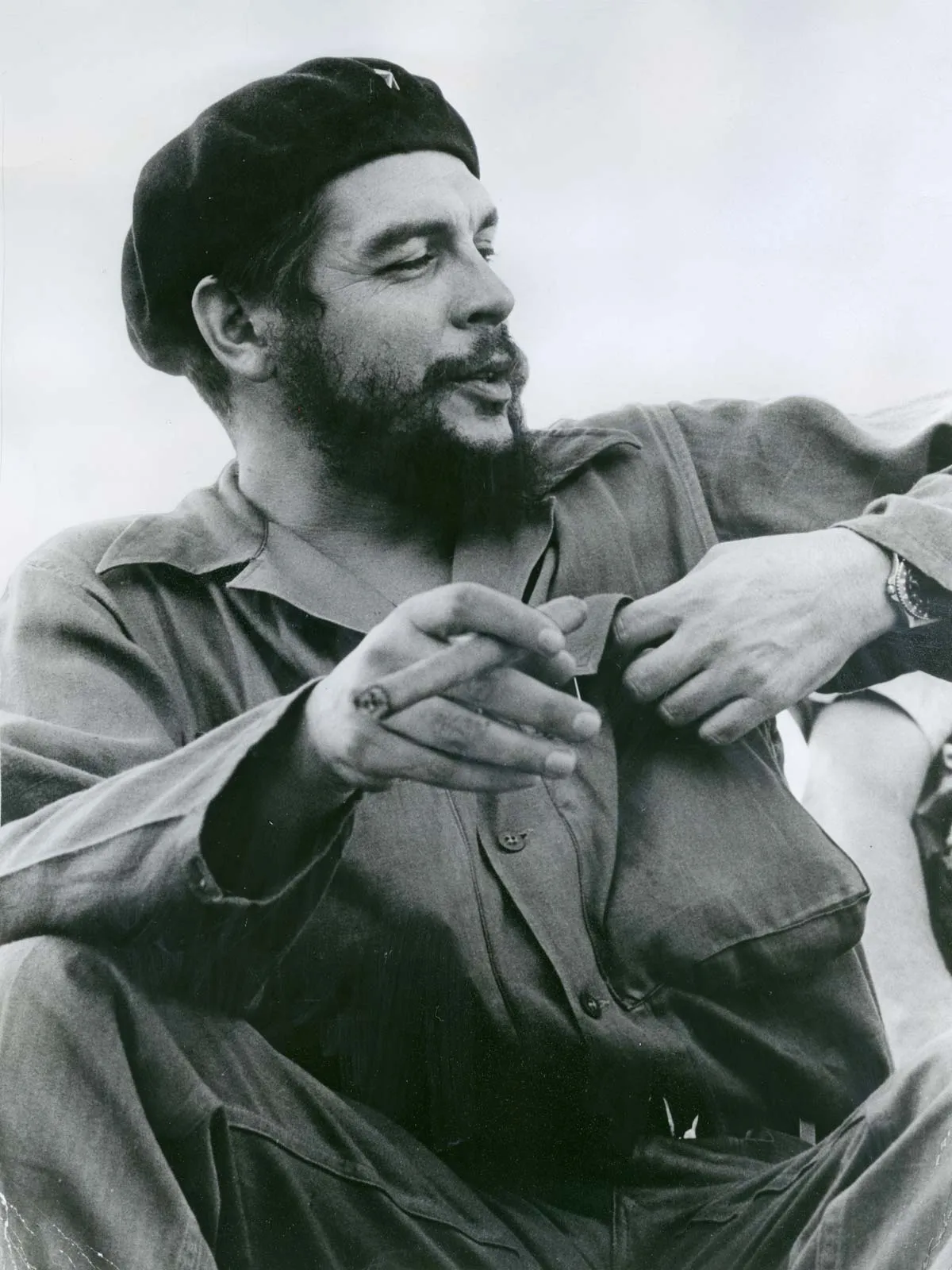
Ernesto 'Che' Guevara arrived in the Sierra Maestra as the column's doctor, rose to become its most effective military commander, led the crucial westward march and the decisive Battle of Santa Clara in December 1958, and entered Havana on 2 January 1959 as the revolution's conquering hero. He then served as Cuba's Minister of Industries, its chief diplomat, and its chief ambassador to the Third World — before giving it all up to go to Bolivia in 1966, seeking to light the fuse of a continental revolution. He was captured on 8 October 1967 and executed by the Bolivian army the following day on CIA instructions. He was thirty-nine. Alberto Korda's photograph of him at Martí's funeral in 1960 — beret, star, faraway gaze — became the most reproduced photographic image in history.
Choose which cookies you're happy for us to use. You can change this at any time from the "Cookie Settings" link in the footer.