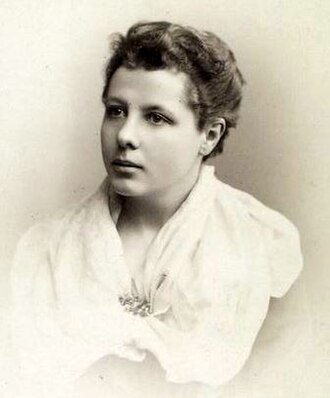
India · Asia
Annie Besant
Irish-British Theosophist who founded the Home Rule League in 1916, became the first woman president of the Indian National Congress, and was interned by the British colonial government for her agitation.
1847–1933
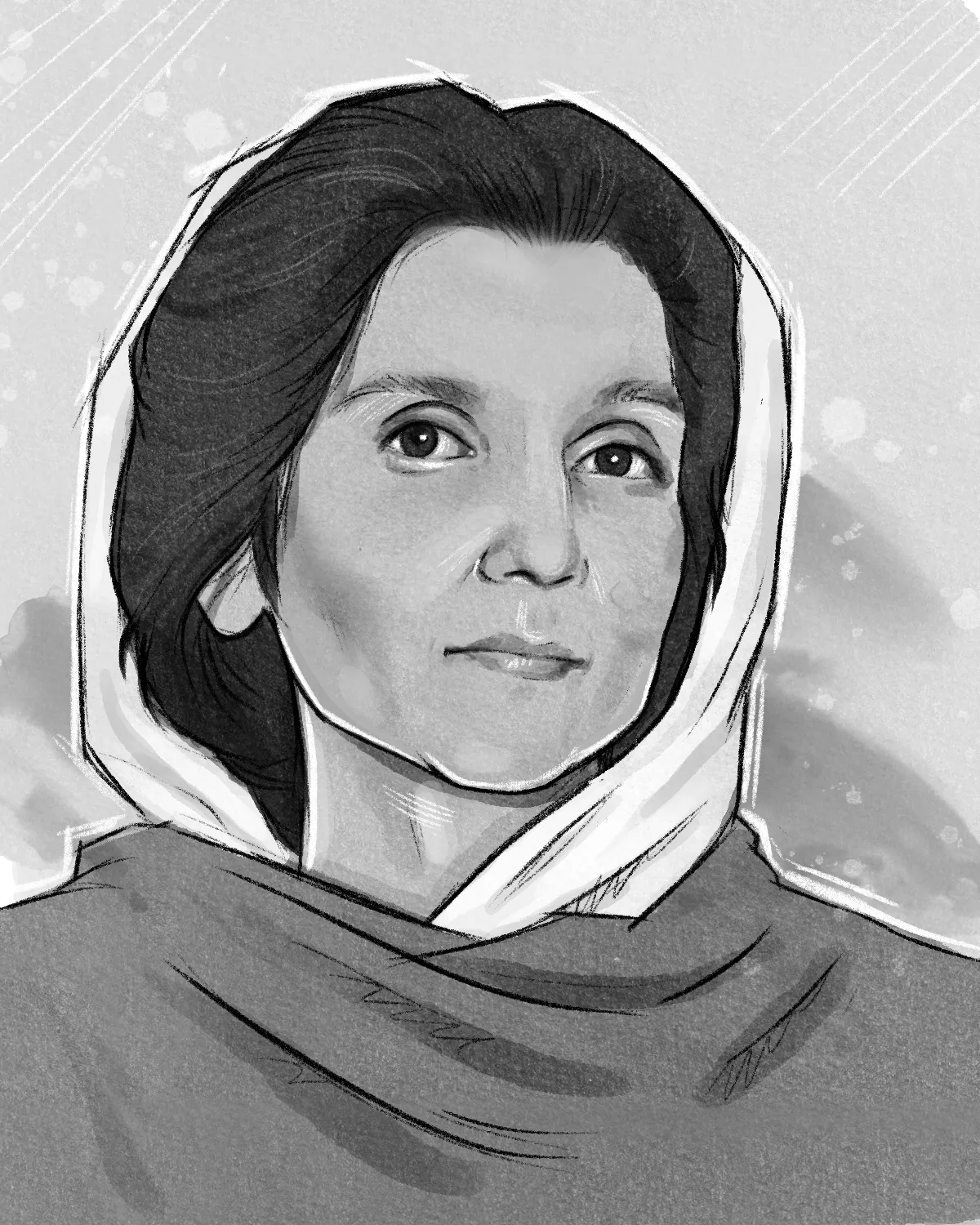
India · Asia
Aruna Asaf Ali
Hoisted the Congress flag at Gowalia Tank, Bombay on 9 August 1942 to launch the Quit India Movement after mass arrests of Congress leaders. Spent three years underground. First Mayor of Delhi.
1909–1996
India · Asia
Ashfaqullah Khan
Muslim revolutionary of the Hindustan Republican Association. Planned and executed the Kakori train robbery with Ram Prasad Bismil. Refused to betray comrades. Hanged at Faizabad Jail, 1927.
1900–1927
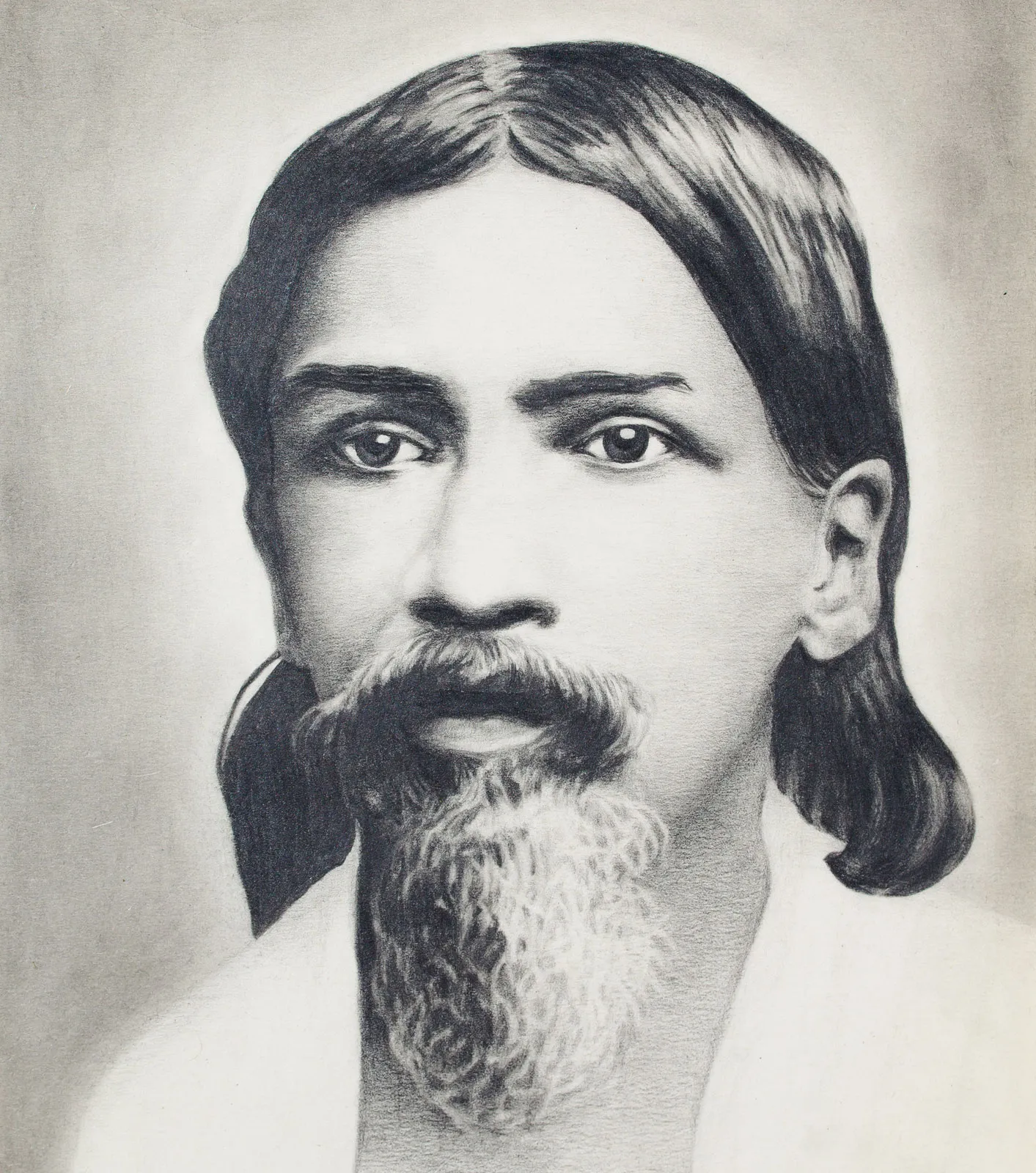
India · Asia
Aurobindo Ghose
Cambridge-educated Bengal revolutionary who edited Yugantar, was acquitted in the Alipore Bomb Case, withdrew to Pondicherry, and built one of the twentieth century's most ambitious philosophical systems.
1872–1950
India · Asia
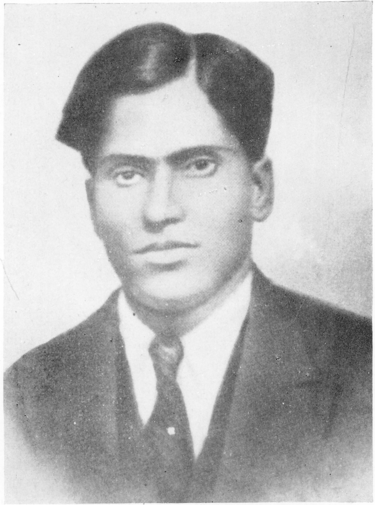
Badal Gupta
Bengal Volunteer who entered Writers' Building in Calcutta on 8 December 1930, shot Inspector General Simpson, and swallowed potassium cyanide rather than surrender. Aged 18. The 'B' in BBD Bagh.
1912–1930
India · Asia
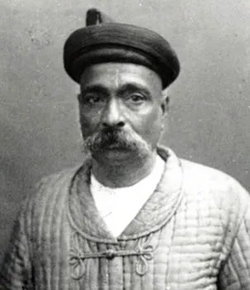
Bal Gangadhar Tilak
'Swaraj is my birthright and I shall have it.' Twice imprisoned by the British. Founded the Home Rule League in 1916. Gandhi called him the Maker of Modern India.
1856–1920

India · Asia
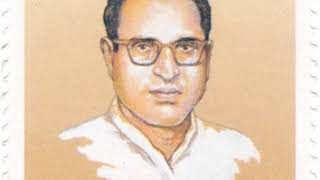
Barindra Kumar Ghosh
Aurobindo's younger brother and the organiser of the Maniktala bomb factory. Planned the Muzaffarpur bombing. Convicted in the Alipore Bomb Case. Nine years in the Andaman Cellular Jail.
1880–1959
India · Asia
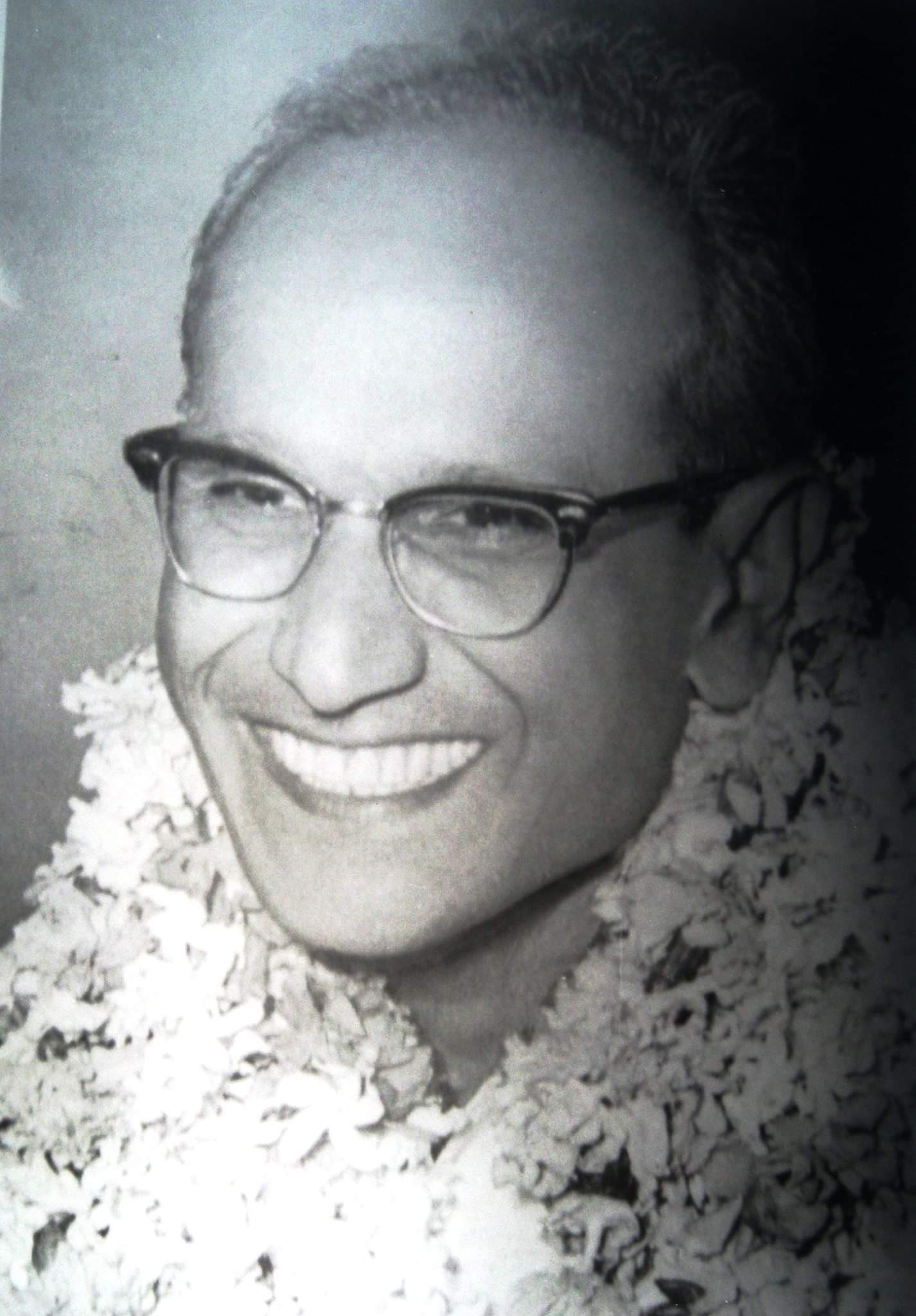
Basawon Singh Sinha
Bihar revolutionary who participated in the Kakori train robbery of 9 August 1925. Sentenced to transportation for life in the Kakori Conspiracy Case. Imprisoned in the Andaman Cellular Jail. Survived to see independence.
1902–1983
India · Asia
Batukeshwar Dutt
Threw smoke bombs in the Central Legislative Assembly alongside Bhagat Singh on 8 April 1929. Transported to the Andaman Cellular Jail. Rearrested in 1942. Died in poverty from tuberculosis in 1965.
1910–1965
India · Asia
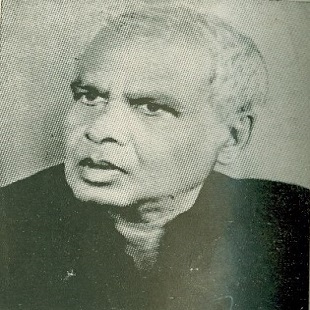
Bejoy Kumar Sinha
One of the principal planners of the Chittagong Armoury Uprising of 18 April 1930 alongside Surya Sen. Arrested before the raid. Sentenced to transportation for life. Survived to document the operation.
1907–1982
India · Asia
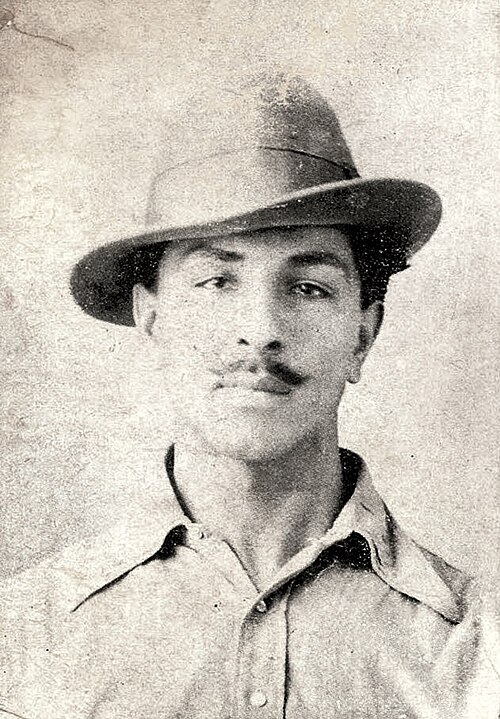
Bhagat Singh
Co-founded the HSRA with Chandrashekhar Azad. Organised the John Saunders shooting. Threw smoke bombs in the Central Assembly. 116-day hunger strike. Hanged secretly at twenty-three. India's most celebrated revolutionary martyr.
1907–1931
India · Asia
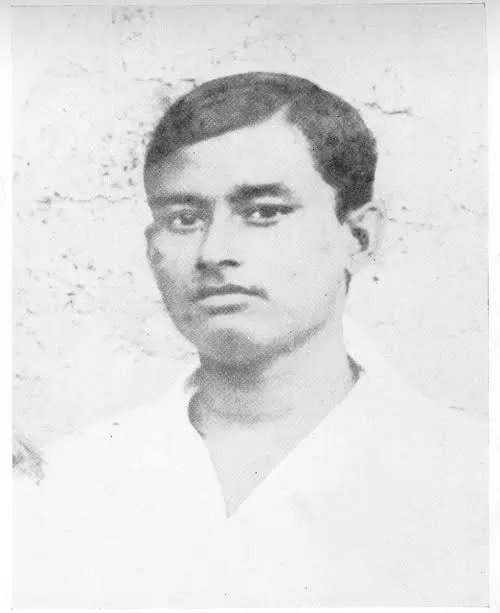
Binoy Basu
Led the Bengal Volunteers raid on Writers' Building, Calcutta, 8 December 1930. Shot Inspector General Simpson. When surrounded, shot himself rather than surrender. The 'B' in BBD Bagh.
1908–1930
India · Asia
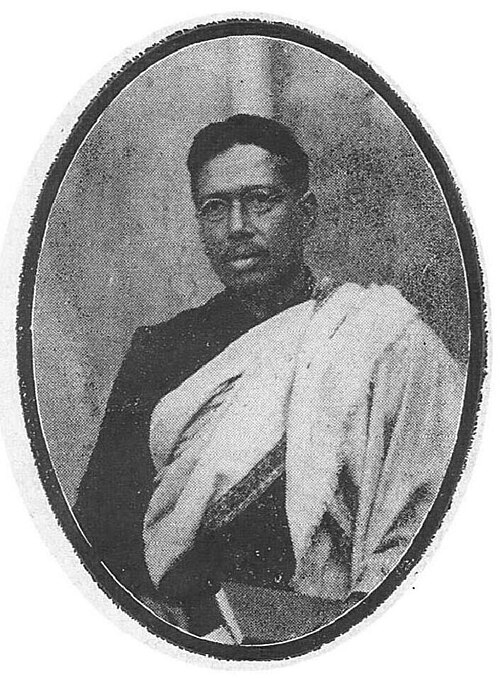
Bipin Chandra Pal
'Father of Revolutionary Thought in India.' The finest orator of the Swadeshi Movement. One of the Lal-Bal-Pal triumvirate. Went to prison rather than testify against Aurobindo Ghose.
1858–1932
India · Asia
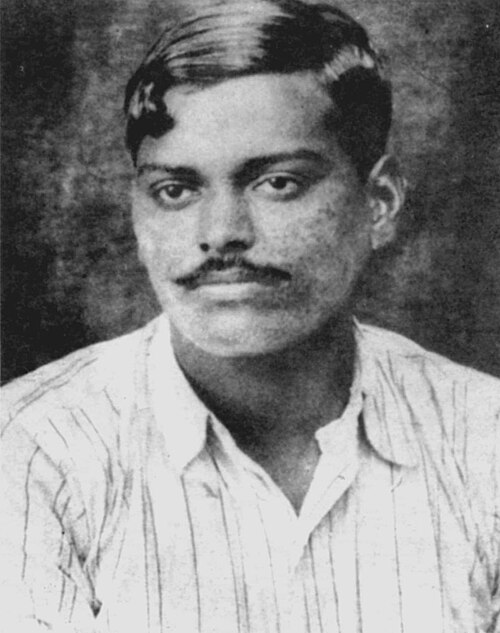
Chandrashekhar Azad
HSRA military commander who swore never to be taken alive. Organised the John Saunders shooting with Bhagat Singh. Kept the underground alive after Bhagat Singh's arrest. Shot himself with his last bullet at Alfred Park, 1931.
1906–1931
India · Asia
Dadabhai Naoroji
'Grand Old Man of India.' Developed the drain theory proving British colonialism systematically impoverished India. First Asian Member of Parliament in Britain (1892). Three-time INC president. First used 'swaraj' from the Congress platform.
1825–1917
India · Asia
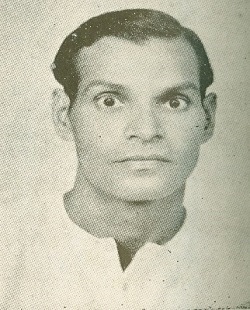
Dinesh Gupta
Participated in the Writers' Building raid alongside Binoy Basu and Badal Gupta. The only one of the three captured alive. Refused to turn approver under interrogation. Hanged at Alipore Jail, 7 July 1931. The 'D' in BBD Bagh.
1911–1931
India · Asia
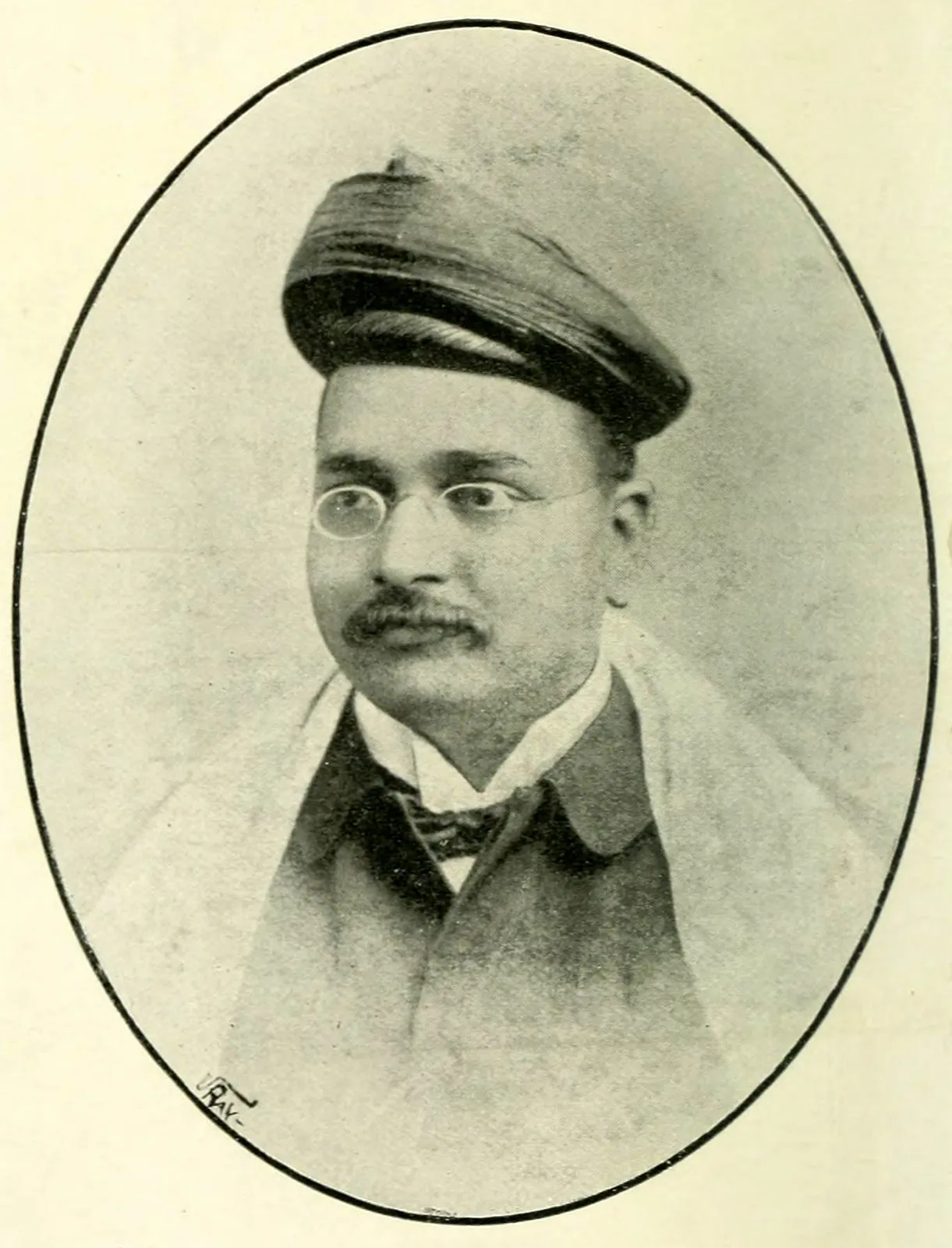
Gopal Krishna Gokhale
Gandhi's declared political guru. Led the INC moderate faction. Delivered detailed budget analyses in the Imperial Legislative Council documenting colonial economic harm. Founded the Servants of India Society. Died at forty-eight.
1866–1915
India · Asia
Jaidev Kapur
HSRA member tried in the Lahore Conspiracy Case alongside Bhagat Singh. Acquitted on appeal. Became a lawyer and later a Member of Parliament. One of the longest-surviving members of the HSRA generation.
1906–1999
India · Asia
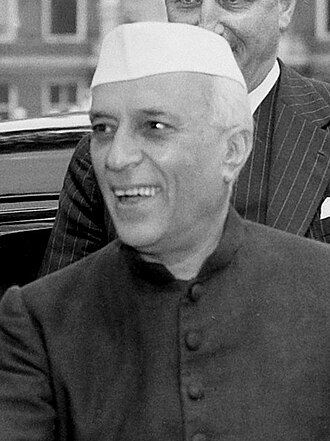
Jawaharlal Nehru
First Prime Minister of independent India. Imprisoned nine times by the British. Author of The Discovery of India. Delivered the 'Tryst with Destiny' speech at midnight on 14–15 August 1947.
1889–1964
India · Asia
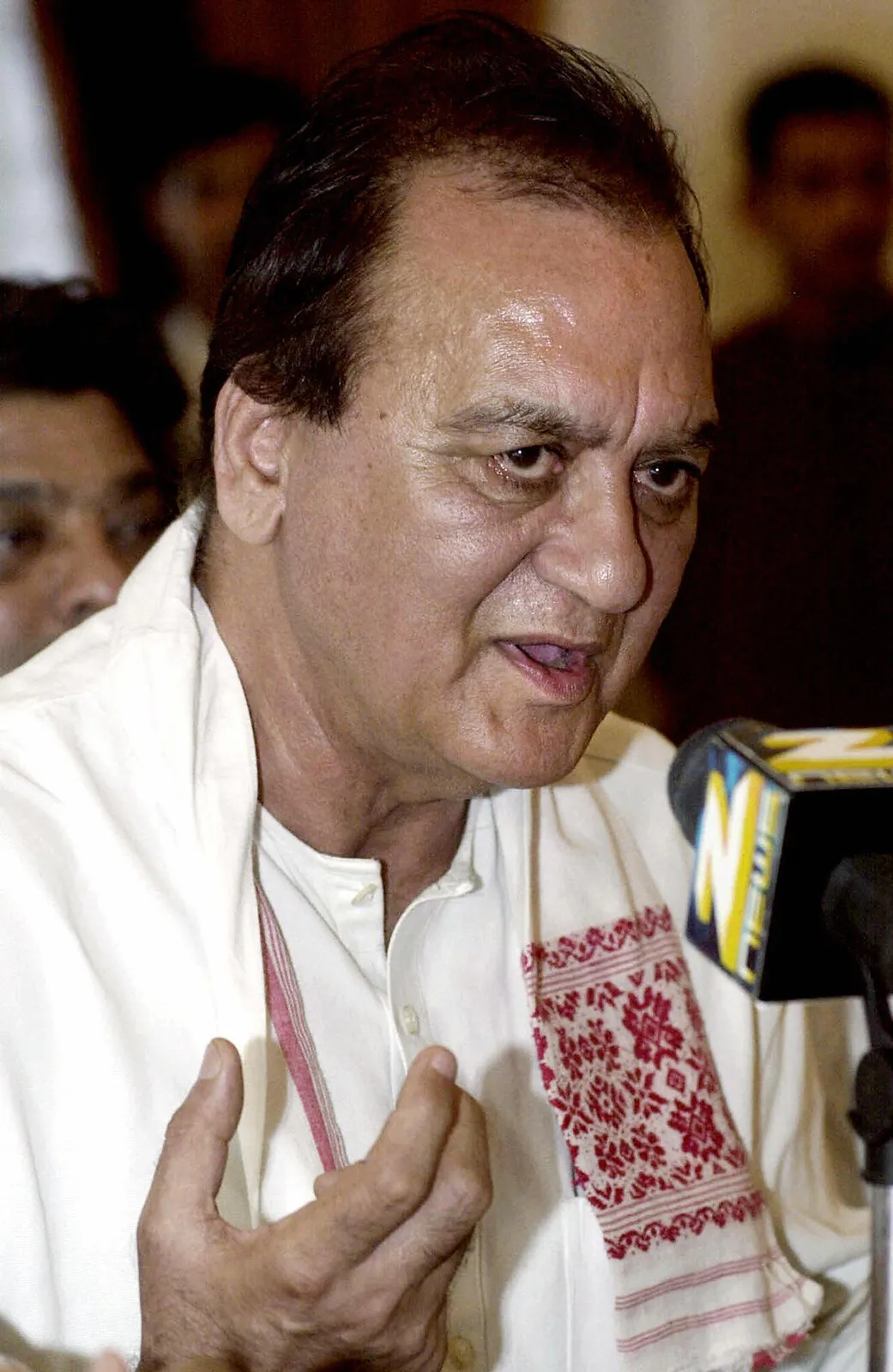
Kalpana Dutta
Surya Sen's closest comrade in the aftermath of the Chittagong Armoury Uprising. Fought alongside him as a fugitive. Tried in the Chittagong Armoury Case and sentenced to transportation for life. Later a Communist Party activist.
1913–1995
India · Asia
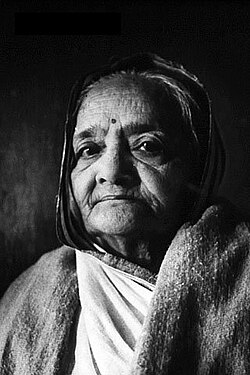
Kasturba Gandhi
Gandhi's wife and an activist in her own right who participated in the South Africa campaigns, the Salt March, and the Quit India Movement. Died in British custody at the Aga Khan Palace, Pune, in February 1944.
1869–1944
India · Asia
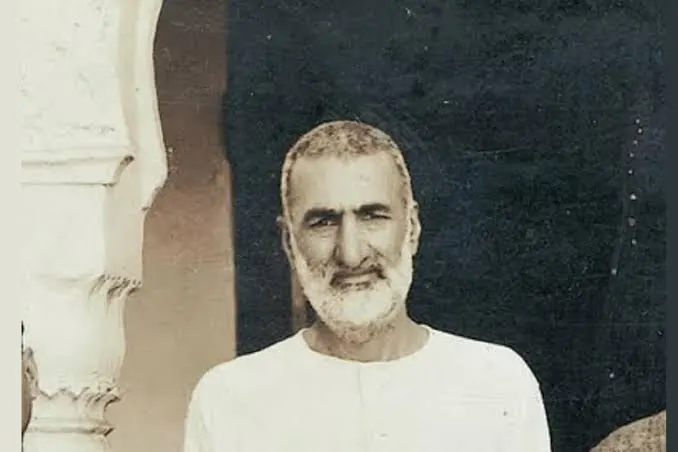
Khan Abdul Ghaffar Khan
'Frontier Gandhi.' Founded the Khudai Khidmatgar — the non-violent army of the Pashtun people. Imprisoned by the British for decades. The most prominent Muslim leader to oppose partition. Opposed it until his death.
1890–1988
India · Asia
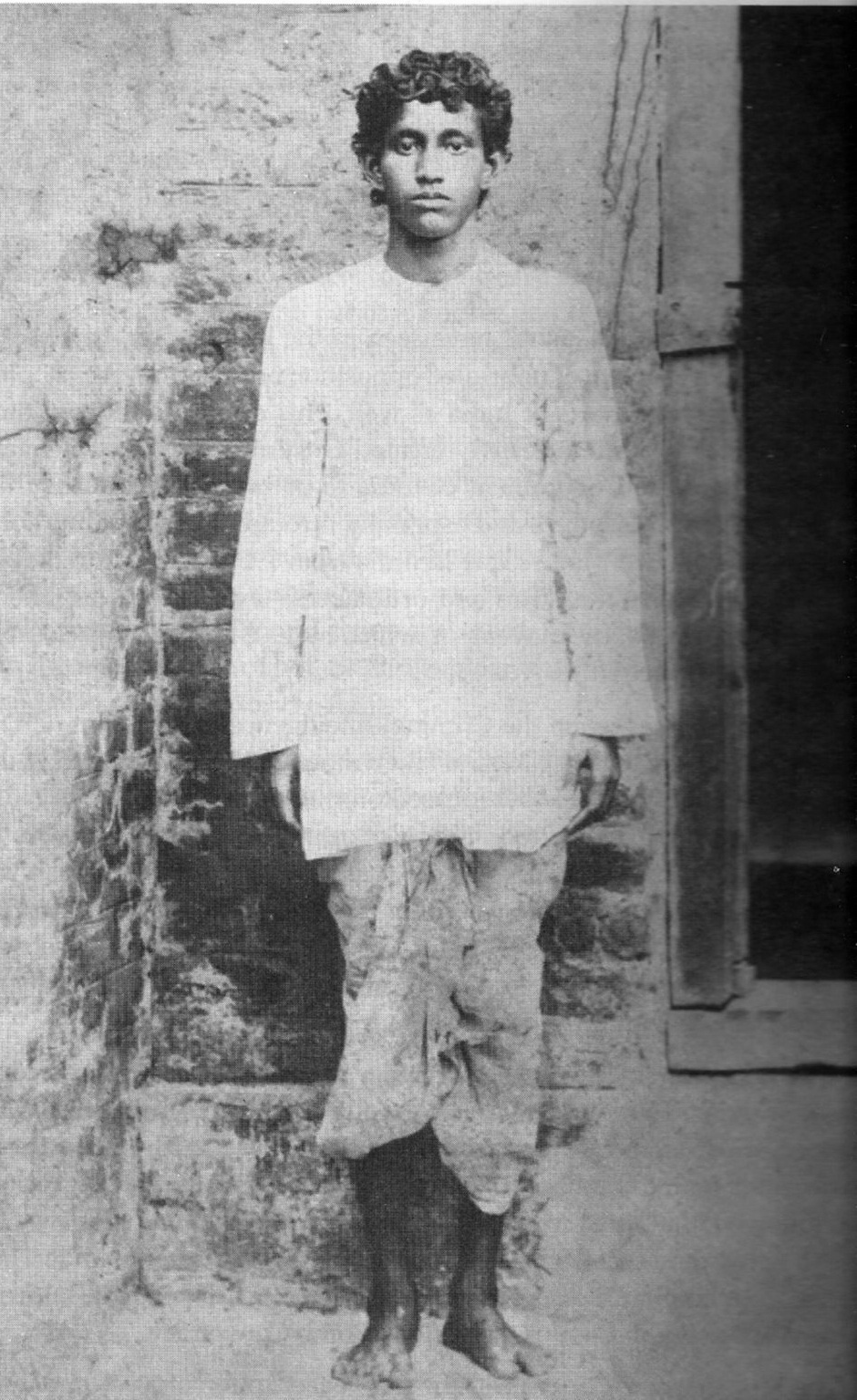
Khudiram Bose
Threw the Muzaffarpur bomb in 1908, intending to kill magistrate Douglas Kingsford. Was captured, tried, and hanged at eighteen — the youngest martyr of the Bengal revolutionary movement. Walked to the gallows singing.
1889–1908
India · Asia
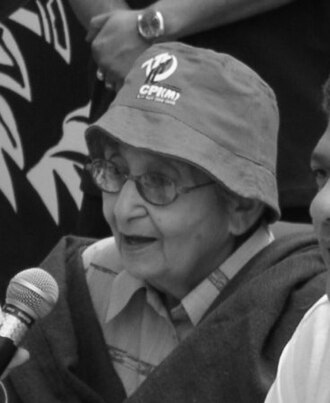
Lakshmi Sahgal
Surgeon and Indian National Army officer who commanded the Rani of Jhansi Regiment — the INA's women's unit — under Subhas Chandra Bose. Practised medicine in Kanpur after independence. Presidential candidate 2002.
1914–2012
India · Asia
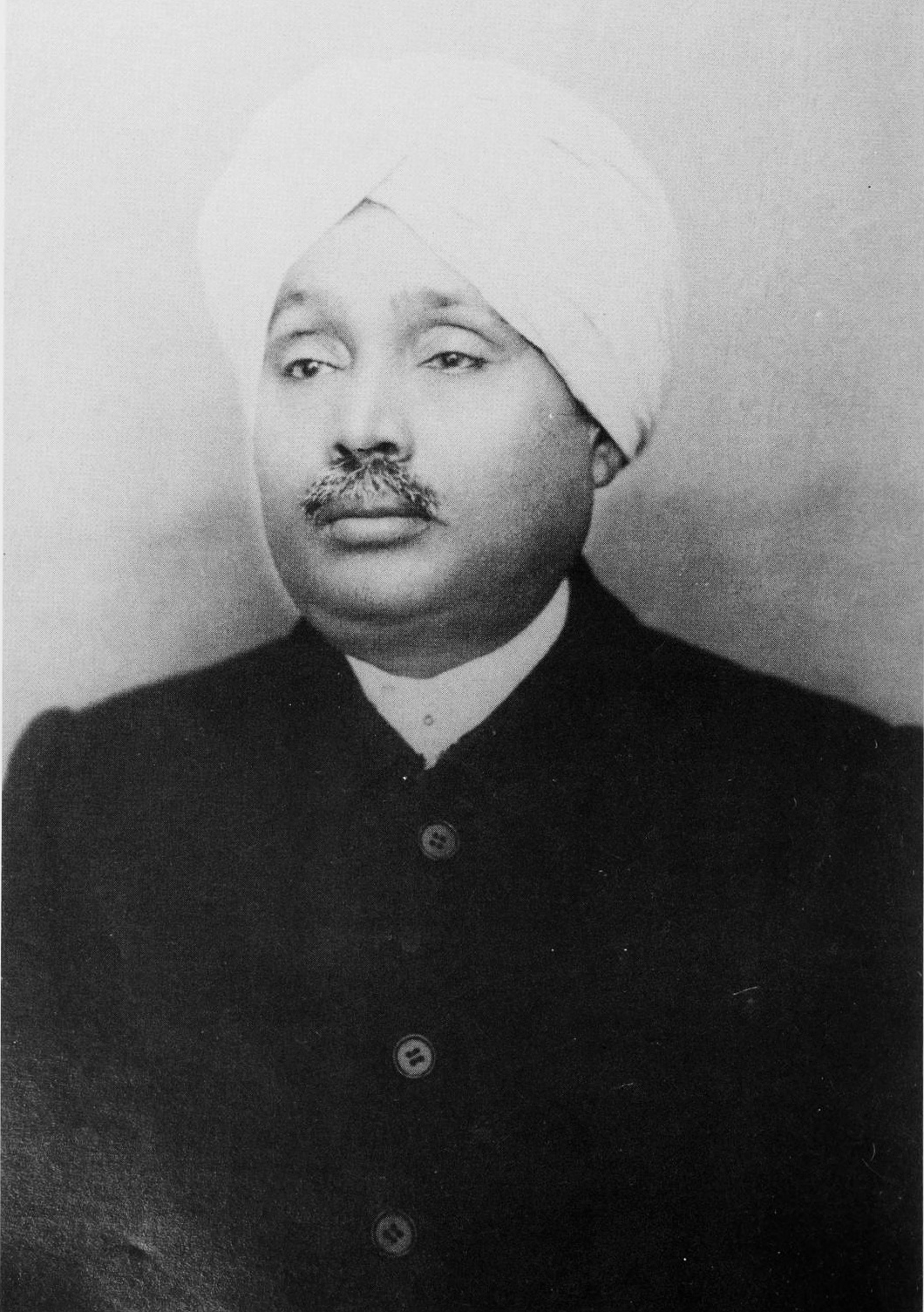
Lala Lajpat Rai
'Punjab Kesari' — Lion of Punjab. One of the Lal-Bal-Pal triumvirate. Deported to Burma in 1907. Struck by police batons during a Simon Commission protest in Lahore. Died from his injuries three weeks later, 1928.
1865–1928
India · Asia
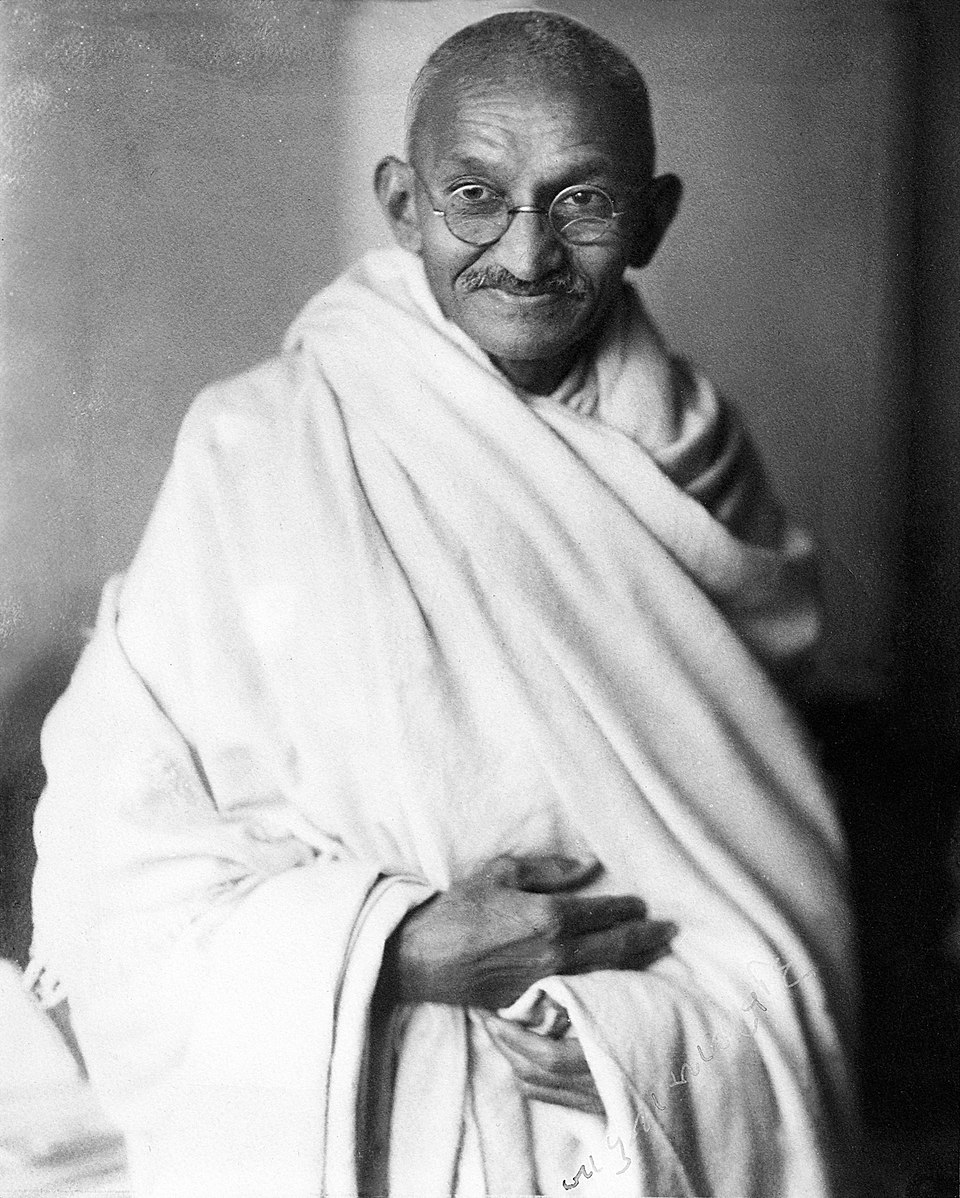
Mahatma Gandhi
Father of the Nation. Led the Salt March, Non-Cooperation Movement, and Quit India Movement. Developed satyagraha — truth-force — as a political weapon. Assassinated 30 January 1948, six months after independence.
1869–1948

India · Asia
Mangal Pandey
Sepoy of the 34th Bengal Infantry whose attack on British officers at Barrackpore on 29 March 1857 is regarded as the first act of the Indian Rebellion. Hanged 8 April 1857. His name became synonymous with revolt.
1827–1857
India · Asia
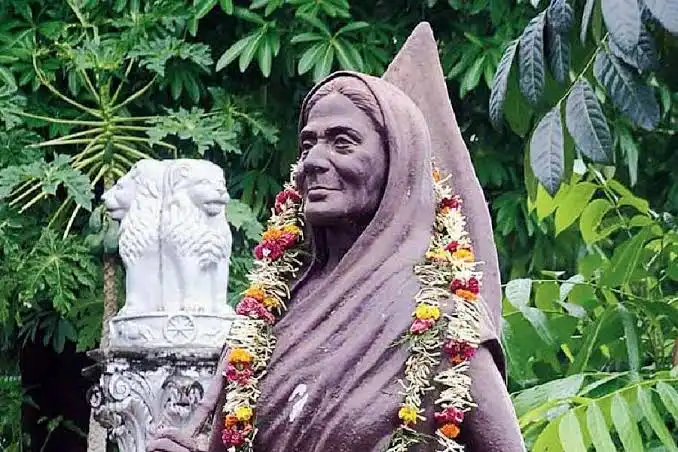
Matangini Hazra
A seventy-three-year-old widow from Bengal who led a procession to seize Tamluk police station during the Quit India Movement on 29 September 1942. Shot three times by colonial police while still holding the Congress flag aloft.
1870–1942
India · Asia
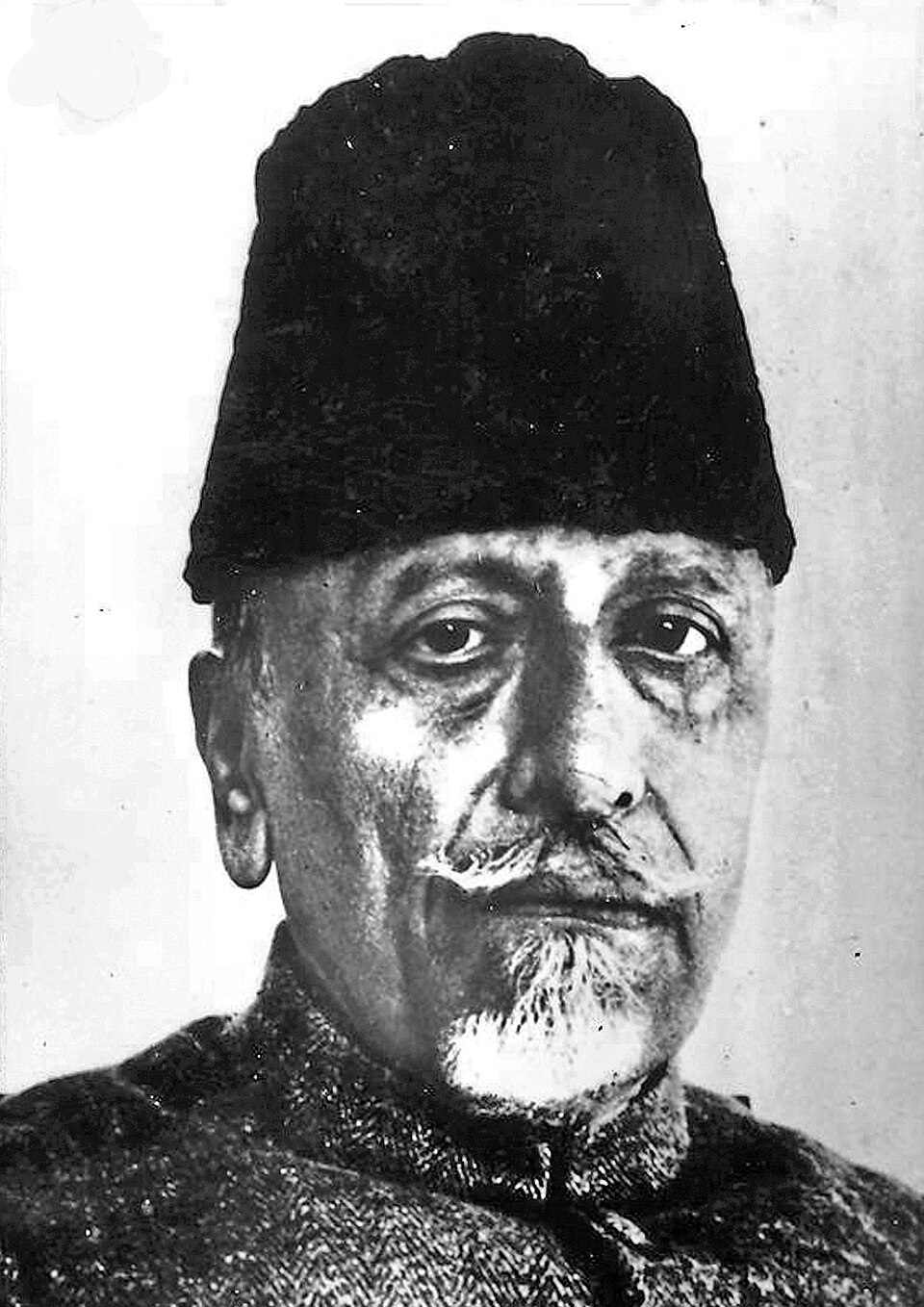
Maulana Azad
Muslim Congress leader who adamantly opposed the partition of India. The youngest-ever INC president at thirty-five. Served as independent India's first Education Minister. Established the IITs and the architecture of modern Indian higher education.
1888–1958
India · Asia
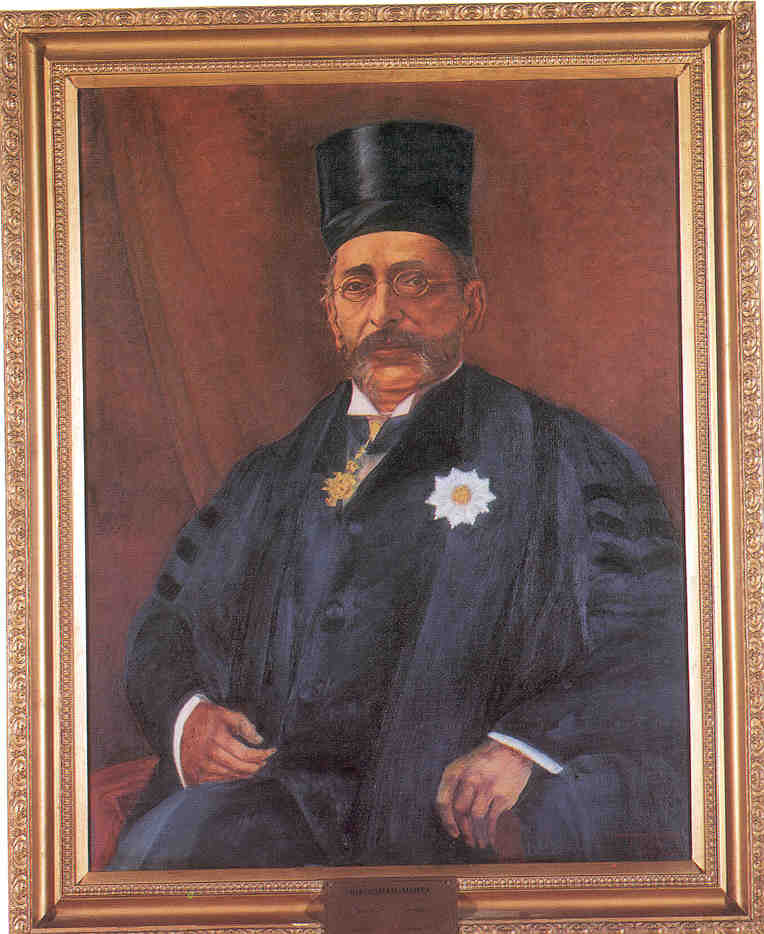
Pherozeshah Mehta
Bombay Parsi barrister and three-time INC president who built the Congress's organisational machinery in the Bombay Presidency and was Gokhale's close ally in the moderate faction. 'The Uncrowned King of Bombay.'
1845–1915
India · Asia
Pritilata Waddedar
Led the attack on the Pahartali European Club near Chittagong on 23 September 1932 — the first woman to lead an armed revolutionary action in Indian history. Swallowed cyanide rather than be captured. Aged twenty-one.
1911–1932
India · Asia
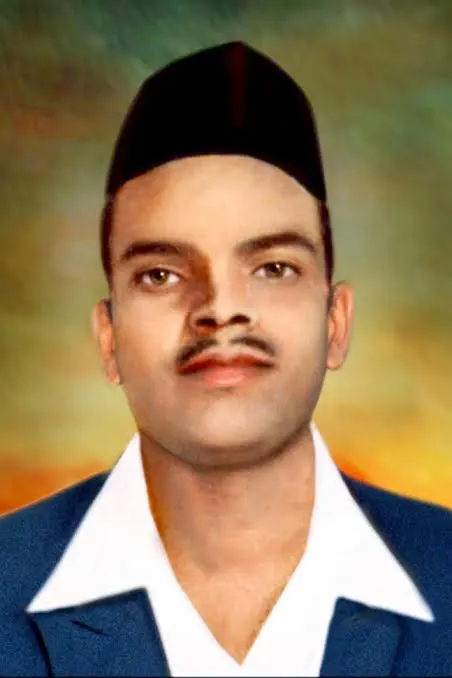
Rajguru
HSRA revolutionary from Maharashtra who fired the shot that killed John Saunders. Hanged alongside Bhagat Singh and Sukhdev at Lahore Central Jail on 23 March 1931. The three were secretly cremated and their ashes thrown in the Sutlej.
1908–1931
India · Asia
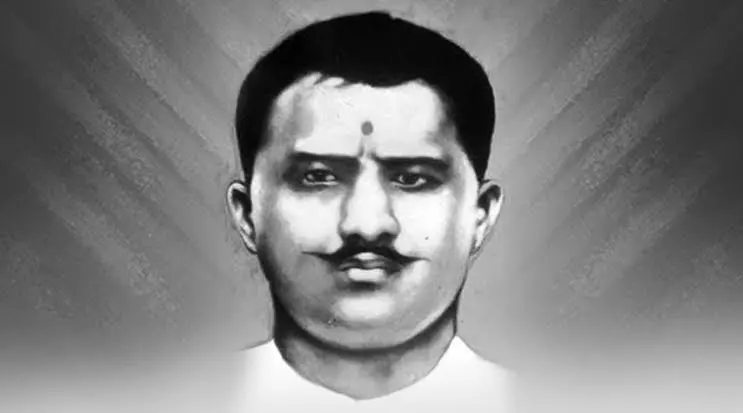
Ram Prasad Bismil
Revolutionary poet and leader of the Hindustan Republican Association who planned and led the Kakori train robbery of 1925. Wrote Sarfaroshi ki Tamanna with Ashfaqullah Khan. Hanged at Gorakhpur Jail, 19 December 1927.
1897–1927
India · Asia
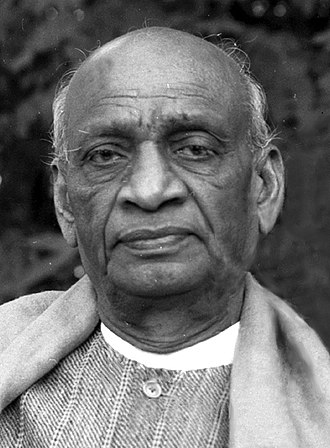
Sardar Patel
'Iron Man of India.' As independent India's first Home Minister, unified 562 princely states into the Indian union — the largest peaceful territorial integration in history. Led the Kheda and Bardoli satyagrahas under Gandhi.
1875–1950
India · Asia
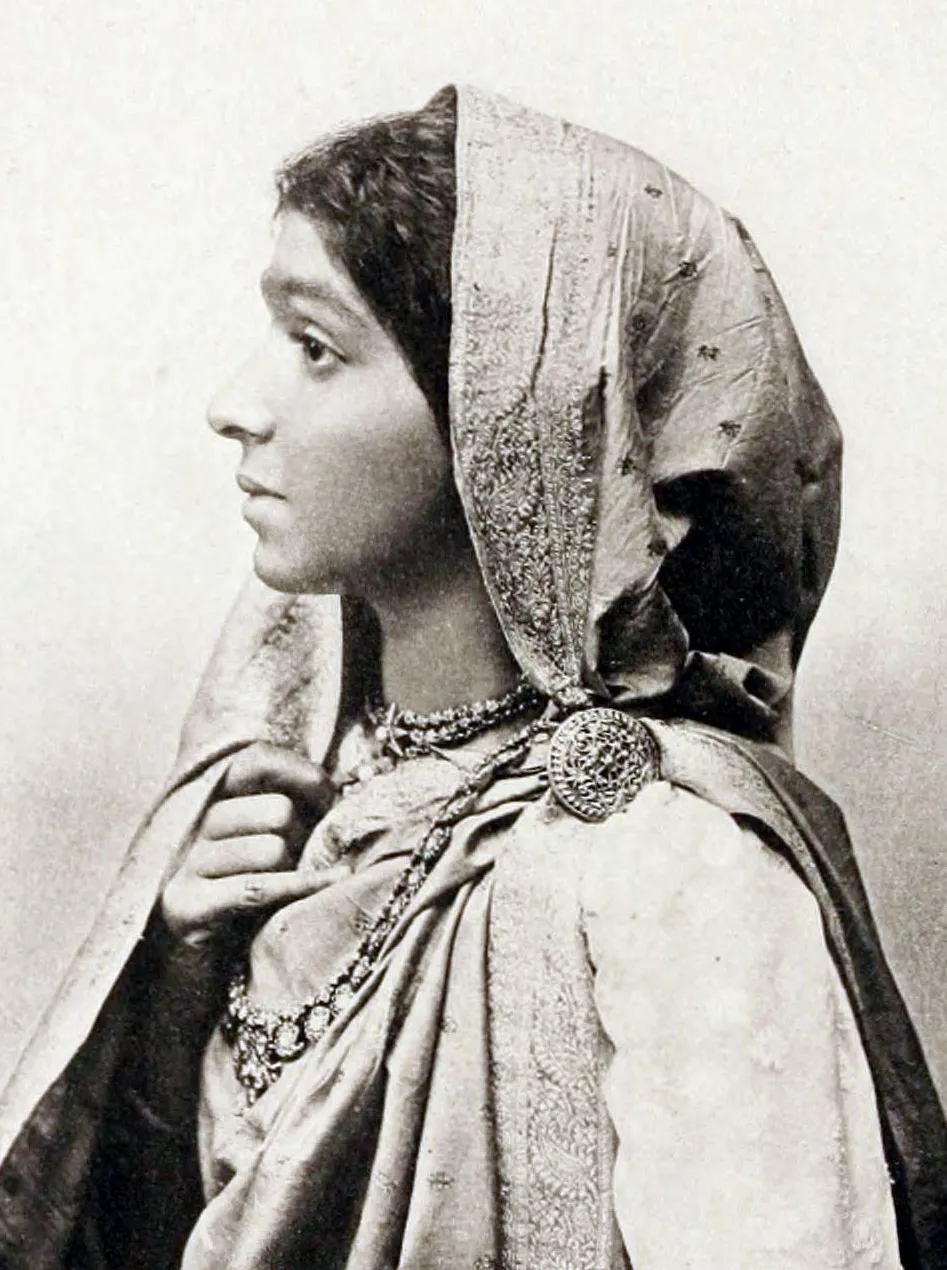
Sarojini Naidu
'Nightingale of India.' First Indian woman to be elected President of the Indian National Congress (1925). Participated in the Salt March. Imprisoned multiple times. First woman governor of an Indian state after independence.
1879–1949
India · Asia
Shiv Varma
HSRA member and one of Bhagat Singh's closest intellectual comrades. Defendant in the Lahore Conspiracy Case. Sentenced to transportation for life. Wrote the most detailed surviving account of the HSRA's internal political discussions.
1904–1997
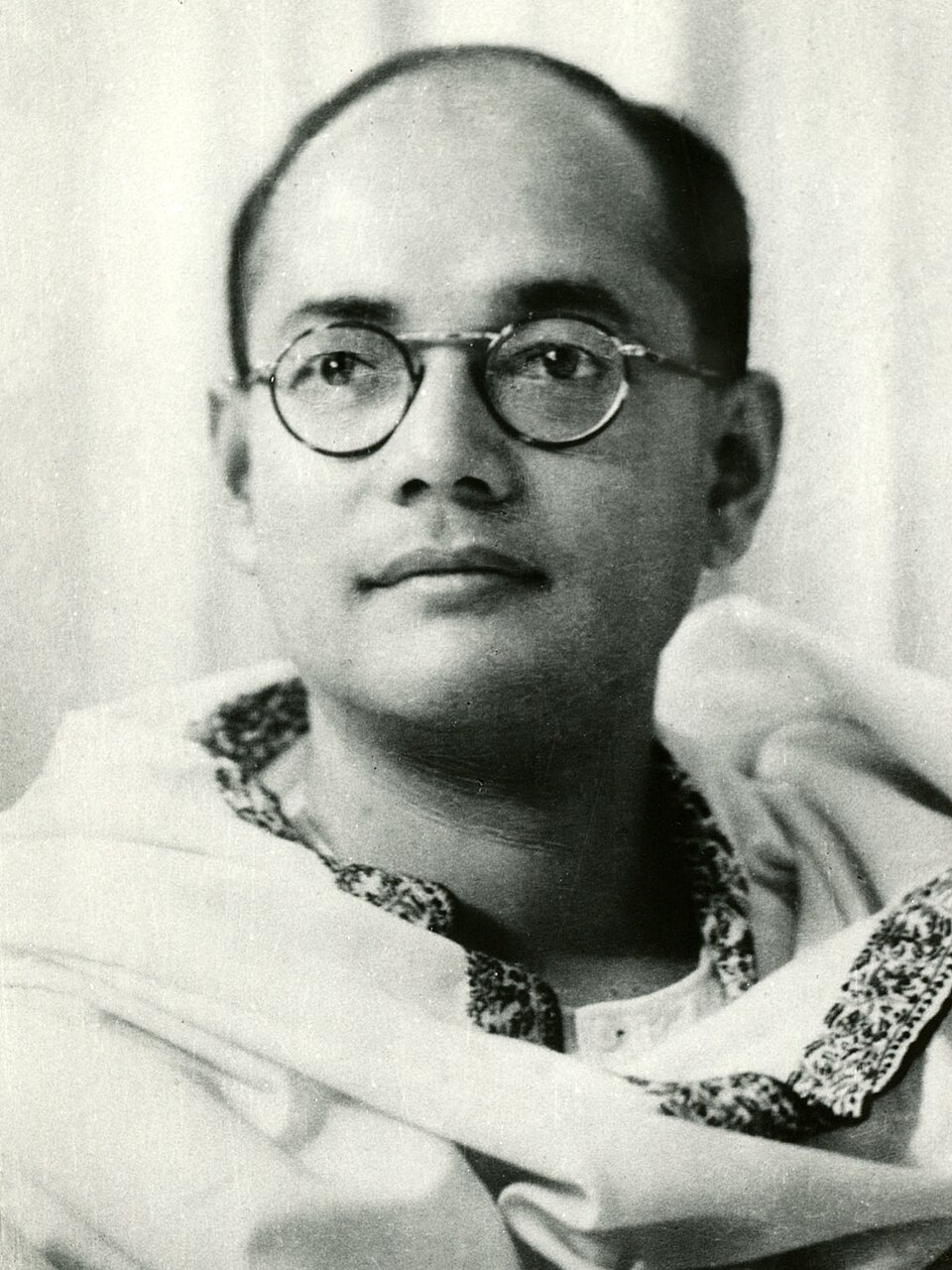
India · Asia
Subhas Chandra Bose
'Give me blood, and I shall give you freedom.' Twice elected INC president. Escaped British house arrest, made his way to Germany and Japan. Led the Indian National Army to liberate India from the east. Disappeared 1945.
1897–1945
India · Asia
Sucheta Kriplani
Quit India Movement activist who sang Vande Mataram in the Constituent Assembly as independence was declared at midnight. First woman Chief Minister of an Indian state — Uttar Pradesh, 1963–1967.
1908–1974
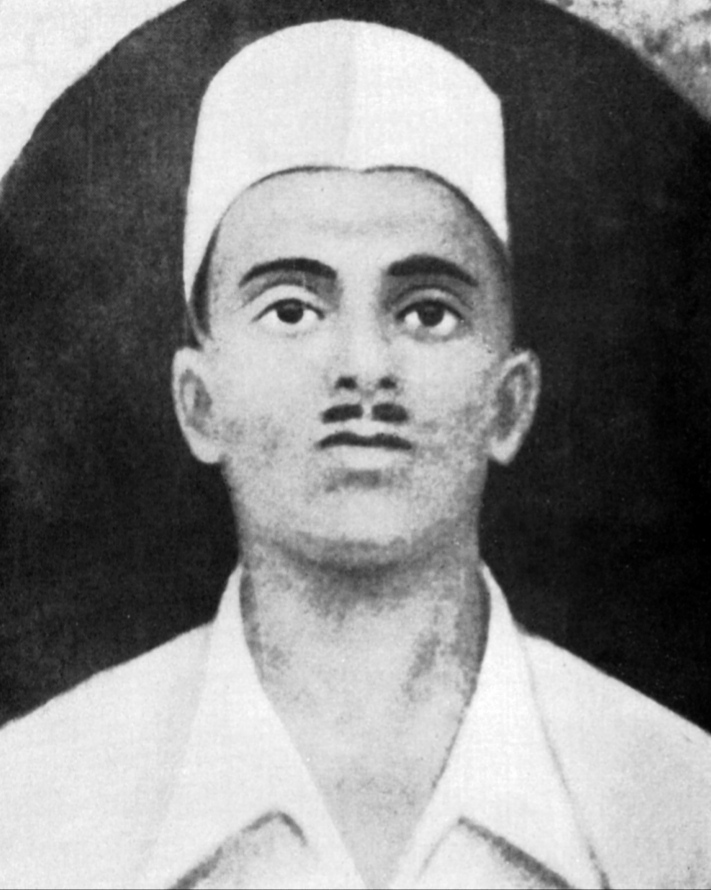
India · Asia
Sukhdev Thapar
HSRA organiser responsible for the Punjab network's logistics, communications, and recruitment. Principal architect of the HSRA's administrative structure. Hanged alongside Bhagat Singh and Rajguru, 23 March 1931.
1907–1931
India · Asia
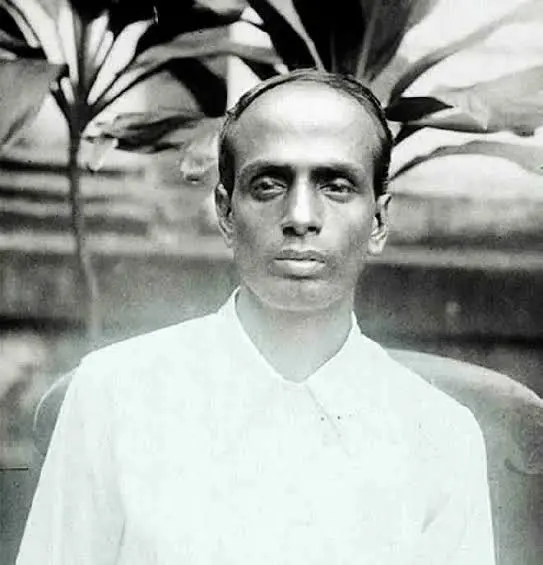
Surya Sen
'Masterda' — revered teacher. Led the Chittagong Armoury Uprising of 18 April 1930, briefly seizing the city and declaring a provisional revolutionary government. Spent years as a fugitive. Tortured and hanged, 1934.
1894–1934
India · Asia
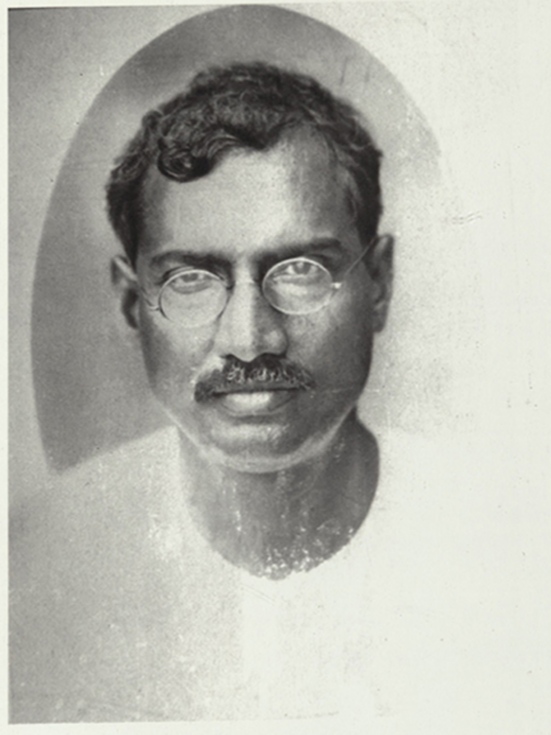
Trailokyanath Chakravorty
Bengal revolutionary who spent thirty years in colonial jails — the longest imprisonment of any Indian political prisoner. Held in the Andaman Cellular Jail for decades. Wrote one of the most important memoirs of the Andaman imprisonment.
1888–1970
India · Asia
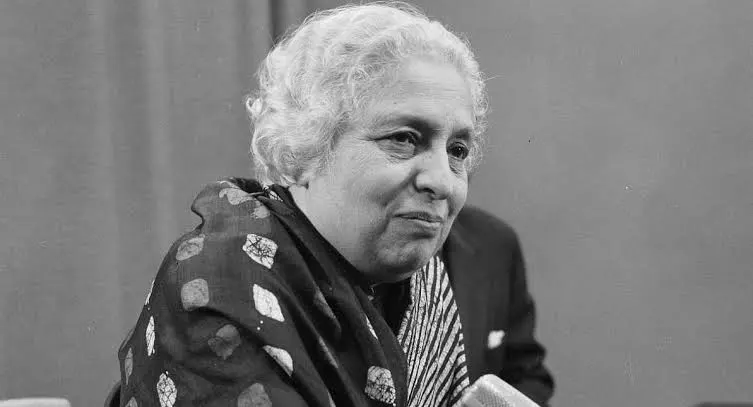
Vijayalakshmi Pandit
Nehru's sister. Imprisoned three times during the independence movement. Independent India's first ambassador to the Soviet Union and the United States. First woman to serve as President of the United Nations General Assembly (1953).
1900–1990
India · Asia
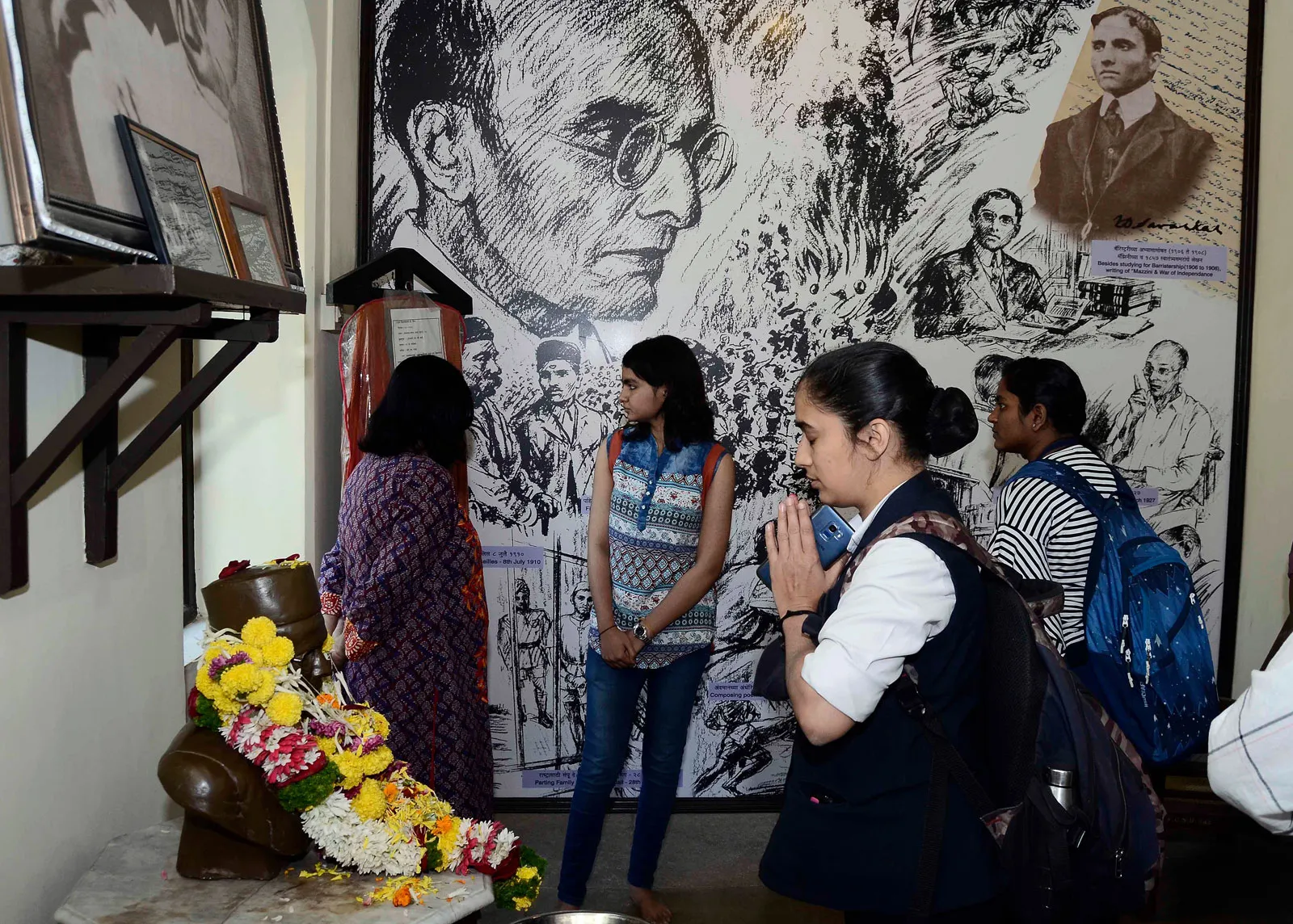
Vinayak Damodar Savarkar
Sentenced to two consecutive life terms — fifty years — in the Andaman Cellular Jail for revolutionary activities. Founded Hindutva as a political ideology. His legacy remains deeply contested in independent India.
1883–1966