Essential Profiles
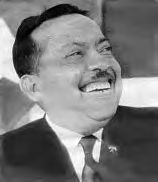
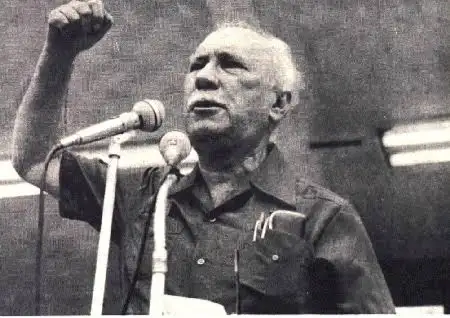
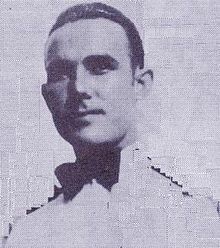
Puerto Rico passed from Spanish colonialism to American colonialism in 1898 with no period of self-determination in between. The men and women profiled here refused to accept that transition as permanent — they organised, agitated, stood trial, went to prison, were tortured, raised flags, opened fire in the U.S. Congress, and died for the right of their people to determine their own future. From Pedro Albizu Campos, who spent twenty-five of his last twenty-nine years in federal custody rather than compromise his principles, to Lolita Lebrón, who unfurled the Puerto Rican flag in the House of Representatives, to Filiberto Ojeda Ríos, shot dead by the FBI on Puerto Rican Independence Day — this is the story of a century of resistance the history books rarely tell.
In 1897, after decades of struggle, Puerto Rico finally won autonomy from Spain. The charter was signed in November. By the following August, the United States had invaded under the cover of the Spanish-American War and Puerto Rico had changed colonial masters without ever having governed itself. In 1917 Puerto Ricans were granted U.S. citizenship — in time to be drafted into the First World War. In 1952 Puerto Rico became a "Commonwealth," a status that satisfied neither independence advocates nor statehood advocates and resolved nothing about Puerto Rico's fundamental political subordination.
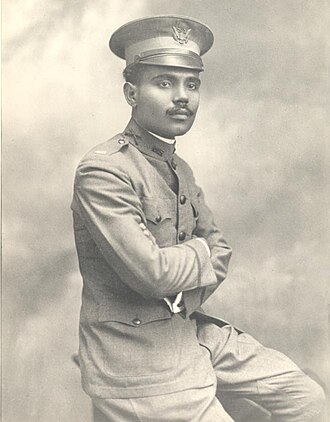
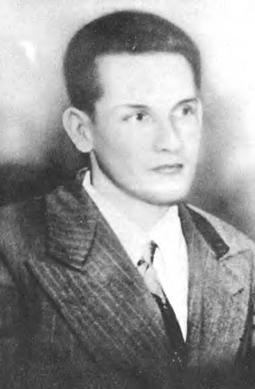
Pedro Albizu Campos was Puerto Rico's most consequential political figure of the twentieth century. A Harvard Law graduate who had served as an officer in the U.S. Army, he turned to independence after experiencing American racial segregation and the colonial reality of Puerto Rico. As president of the Nationalist Party he organised, agitated, and endured — imprisoned repeatedly, subjected to what he claimed was radiation torture in his cell, suffering strokes, emerging diminished but unbroken. He died in 1965, weeks after receiving a pardon too late to matter. He had refused to accept any pardon that did not acknowledge Puerto Rico's right to independence.
In October 1950, as the U.S. imposed a new constitution on Puerto Rico, the Nationalist Party launched simultaneous uprisings across the island. Blanca Canales raised the Puerto Rican flag in Jayuya. Oscar Collazo and Griselio Torresola attacked Blair House in Washington where President Truman was staying. Four years later, Lolita Lebrón, Rafael Cancel Miranda, Irvin Flores, and Andrés Figueroa Cordero opened fire in the U.S. House of Representatives.
Puerto Rico's independence movement is one of the least-told stories of twentieth-century liberation politics — partly because the United States government has worked hard to keep it that way, and partly because Puerto Rico's unresolved colonial status remains a contemporary political controversy rather than a safely historical one. But the men and women who fought for Puerto Rican self-determination paid prices as heavy as any freedom fighter in this project: decades in federal prisons, torture, exile, and death. Their story deserves to be told without euphemism.
Spain had colonised Puerto Rico since 1493. By 1897, after sustained political struggle, Puerto Ricans had won the Carta de Autonomía — a charter granting substantial self-government within the Spanish empire. It was signed in November 1897 and took effect in February 1898. On 25 July 1898, U.S. forces invaded under General Nelson Miles, who promised the Puerto Rican people "the advantages and blessings of enlightened civilisation." The Treaty of Paris in December transferred Puerto Rico, along with Cuba, the Philippines, and Guam, from Spain to the United States. Puerto Ricans had no voice in the negotiation and no vote on the outcome. They had spent four centuries fighting for autonomy from Spain and received American colonialism as the prize.
Pedro Albizu Campos was born in Ponce in 1891, the illegitimate son of a Spanish Basque landowner and an Afro-Puerto Rican woman. He won scholarships to the University of Vermont and then Harvard, where he graduated from law school in 1921. He served as an officer in the U.S. Army during the First World War and experienced American racial segregation firsthand — he was assigned to a regiment of Black soldiers because the Army did not know what else to do with a Puerto Rican. He returned to Puerto Rico radicalized. As president of the Nationalist Party from 1930, he organised, spoke, agitated, and built — and was imprisoned by U.S. federal authorities for the first time in 1936 on seditious conspiracy charges. He would spend most of the rest of his life in prison. He died in 1965, weeks after receiving a conditional pardon he had initially refused because it did not acknowledge Puerto Rico's right to independence. He had accepted it only because he was too ill to survive otherwise. He was seventy-three years old.
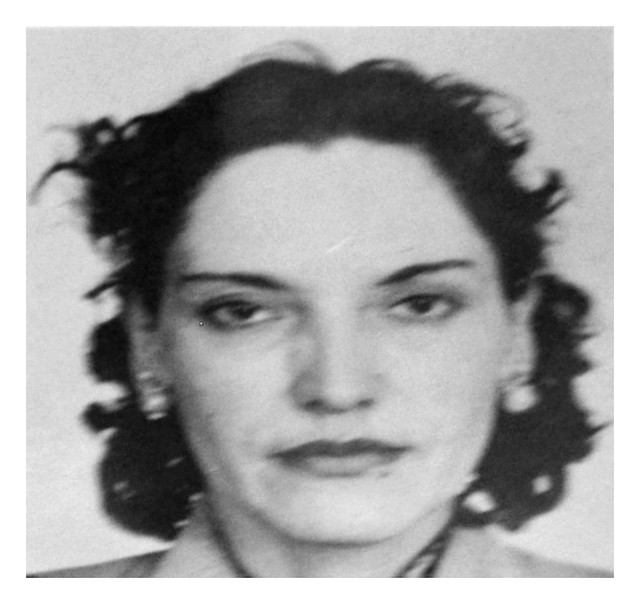
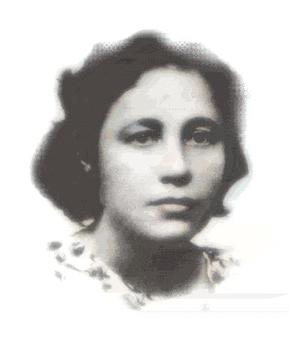
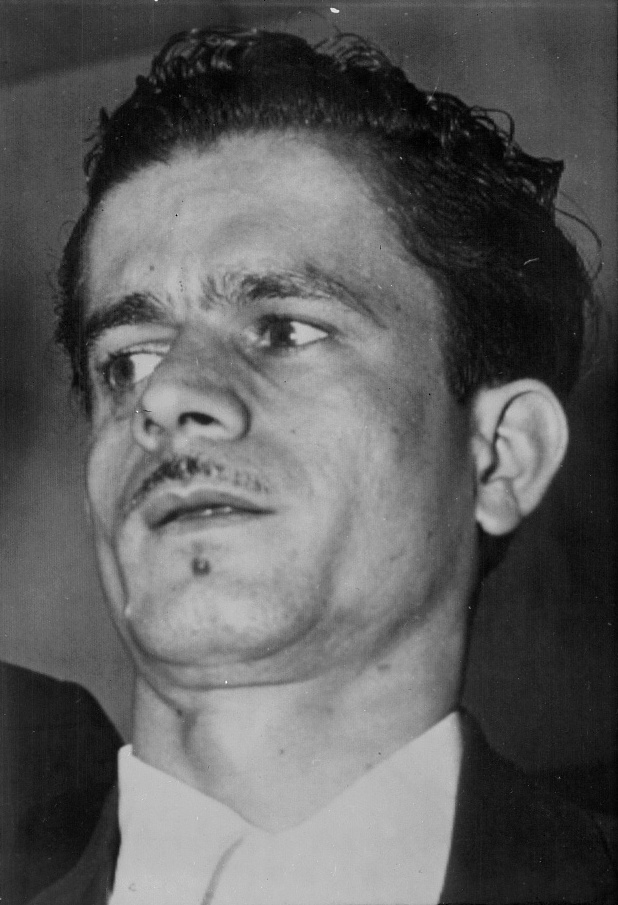
As the United States moved to impose a new constitution on Puerto Rico in October 1950 — one that maintained colonial status while giving it the more palatable name "Commonwealth" — the Nationalist Party launched simultaneous uprisings in several Puerto Rican towns. In Jayuya, Blanca Canales led Nationalists in seizing the town and raising the Puerto Rican flag over the municipal building — the first time it had flown over Puerto Rican soil as a symbol of sovereign aspiration. The uprising was suppressed by the Puerto Rican National Guard, backed by the U.S. Army and aircraft, within days. Canales received a life sentence. In Washington, Oscar Collazo and Griselio Torresola attacked Blair House — the temporary White House where President Truman was staying while the White House was being renovated. Torresola, twenty-five years old, killed one officer and wounded two others before being shot dead. Collazo was wounded, tried, sentenced to death, commuted by Truman himself to life imprisonment, and eventually released by Jimmy Carter in 1979 after twenty-nine years.
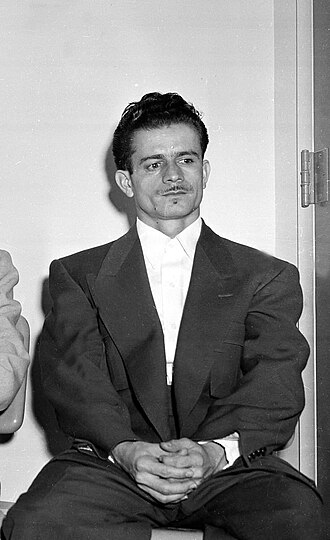
On 1 March 1954, four Puerto Rican Nationalists — Lolita Lebrón, Rafael Cancel Miranda, Irvin Flores, and Andrés Figueroa Cordero — entered the visitors' gallery of the House of Representatives during a floor session. Lebrón stood and unfurled the Puerto Rican flag. They opened fire. Five congressmen were wounded. Lebrón was carrying a note: "My life I give for the freedom of my country. This is a cry for victory in our struggle for independence." She received a sentence of fifty years. She served twenty-five before being released, along with the other survivors, by Jimmy Carter in 1979. She had refused a pardon offered earlier by President Ford because it required her to renounce violence — a condition she viewed as political. On her release she returned to Puerto Rico, where she was received as a national hero.
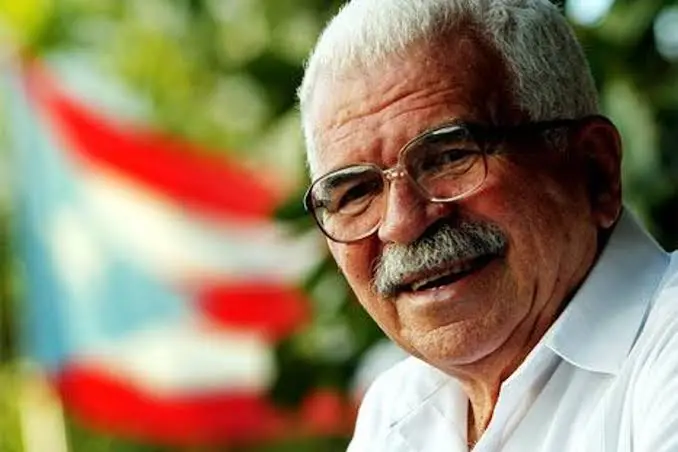
Filiberto Ojeda Ríos founded the Macheteros — formally the Ejército Popular Boricua — in 1976. The organisation carried out dozens of attacks on U.S. military and government targets in Puerto Rico and on the mainland, including the 1983 robbery of a Wells Fargo depot in West Hartford, Connecticut — $7.1 million, the largest armoured car heist in U.S. history, used to fund the independence movement. Ojeda Ríos spent years underground, defeated an extradition attempt from Cuba, and was eventually captured in 1990, released on bail, and went underground again. On 23 September 2005 — Puerto Rican Independence Day, the anniversary of the Grito de Lares — FBI agents surrounded his home in Hormigueros. A firefight followed. Ojeda Ríos was hit, and the FBI waited hours before sending in medical personnel. He bled to death. He was seventy-two years old. The Puerto Rican independence movement mourned him as a martyr; the FBI called it a justified law-enforcement operation. The question of Puerto Rico's political status remains unresolved.
Choose which cookies you're happy for us to use. You can change this at any time from the "Cookie Settings" link in the footer.