All Profiles
Australia
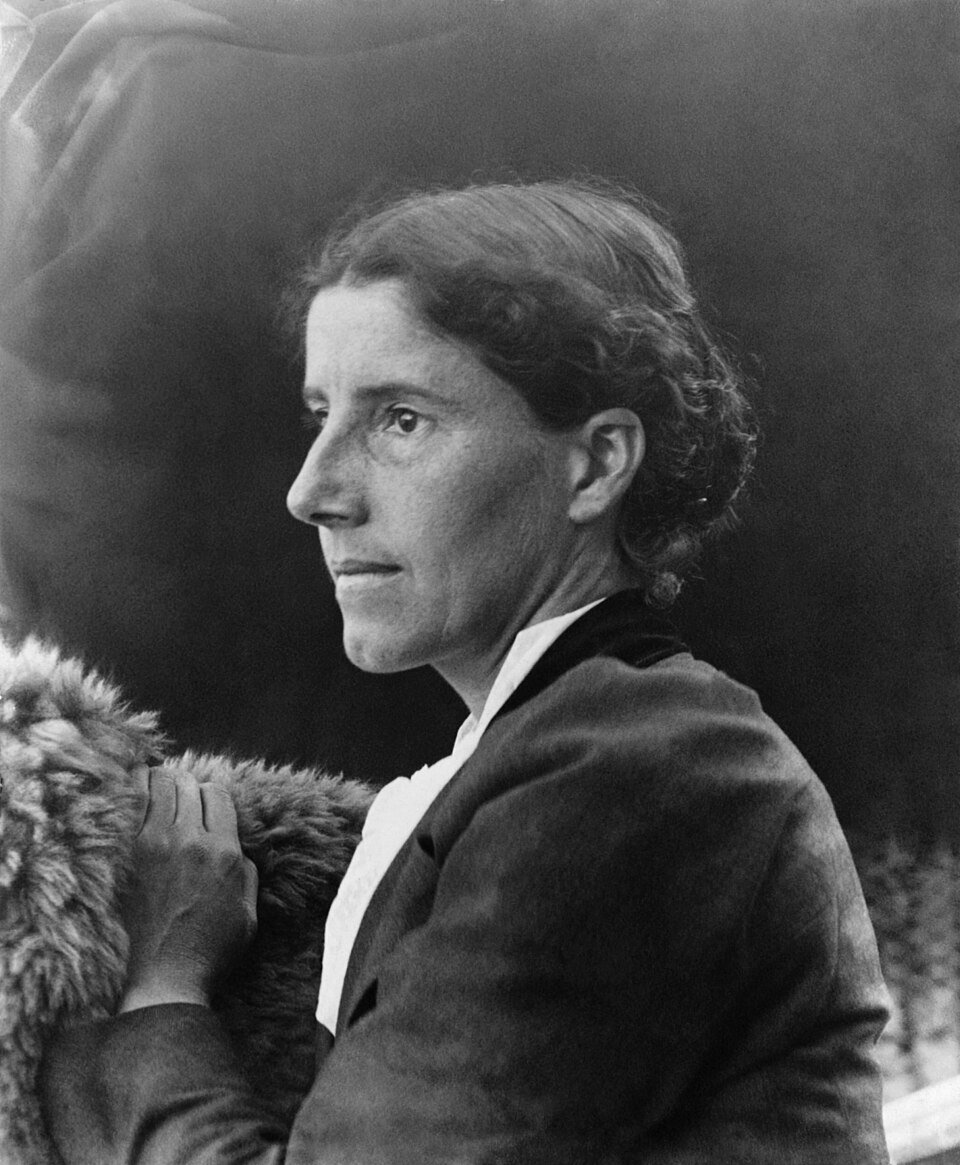
Arrernte & Kalkadoon
Charles Perkins
Led the 1965 Freedom Ride through rural NSW, exposing racial segregation; first Aboriginal Australian to head a federal government department.
1936 – 2000
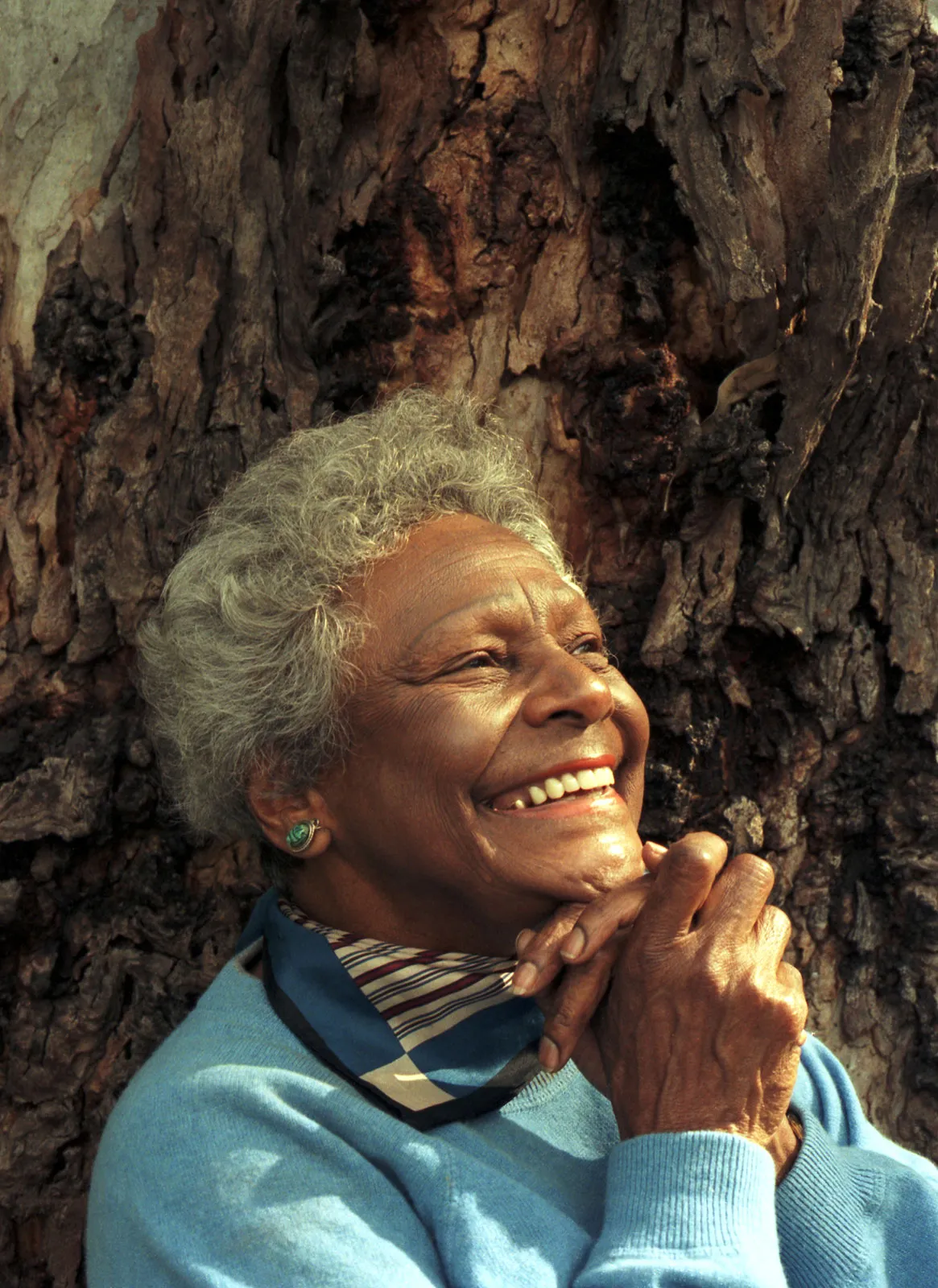
South Sea Islander / Aboriginal
Faith Bandler
Central organiser of the campaign that delivered the 1967 referendum — the vote that finally counted Aboriginal Australians as citizens of their own country.
1918 – 2015
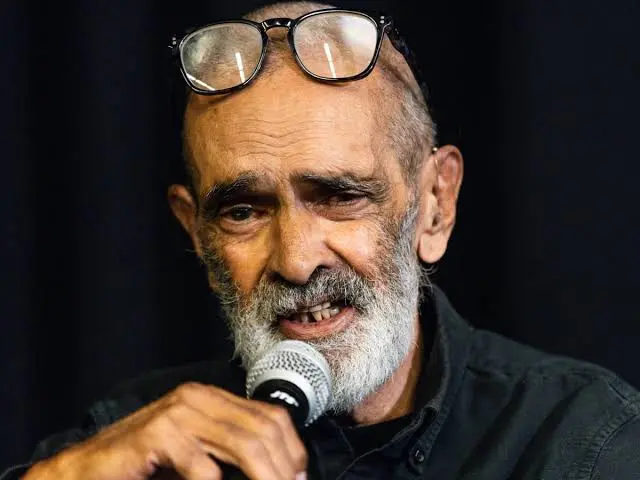
Gumbainggir
Gary Foley
Co-founded the Aboriginal Tent Embassy (1972) and the Aboriginal Medical Service; activist, actor and historian of the Black Power movement in Australia.
b. 1950
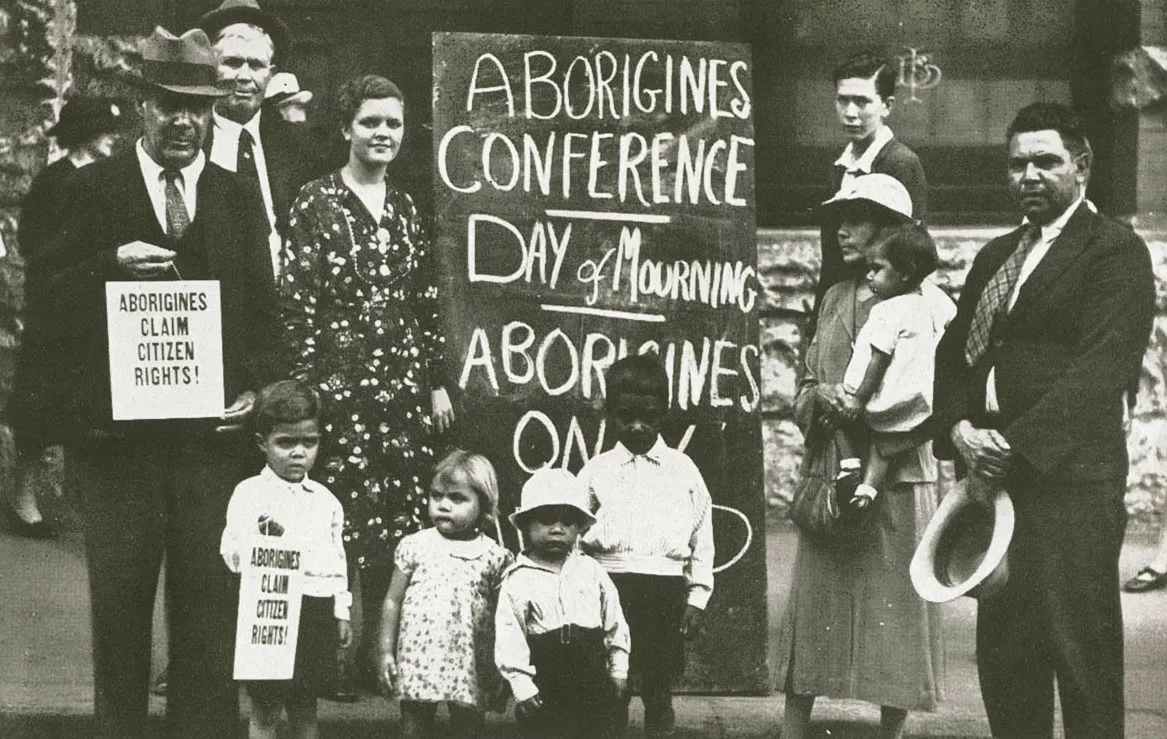
Ngemba
Jack Patten
Organised the 1938 Day of Mourning in Sydney — Aboriginal Australia's first major public civil rights assembly — on the 150th anniversary of British colonisation.
1905 – 1957
No photograph available
Kevin Gilbert
Wiradjuri · Australia
1933 – 1993
Wiradjuri
Kevin Gilbert
Poet, playwright and activist; editor of Inside Black Australia (1988) and foundational voice for Aboriginal treaty rights and sovereignty.
1933 – 1993
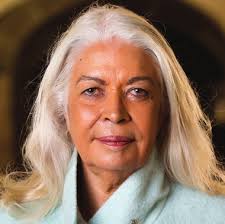
Yiman & Bidjara
Marcia Langton
Pioneering academic, anthropologist and activist; a defining voice for Aboriginal land rights, native title and Indigenous land management across four decades.
b. 1951
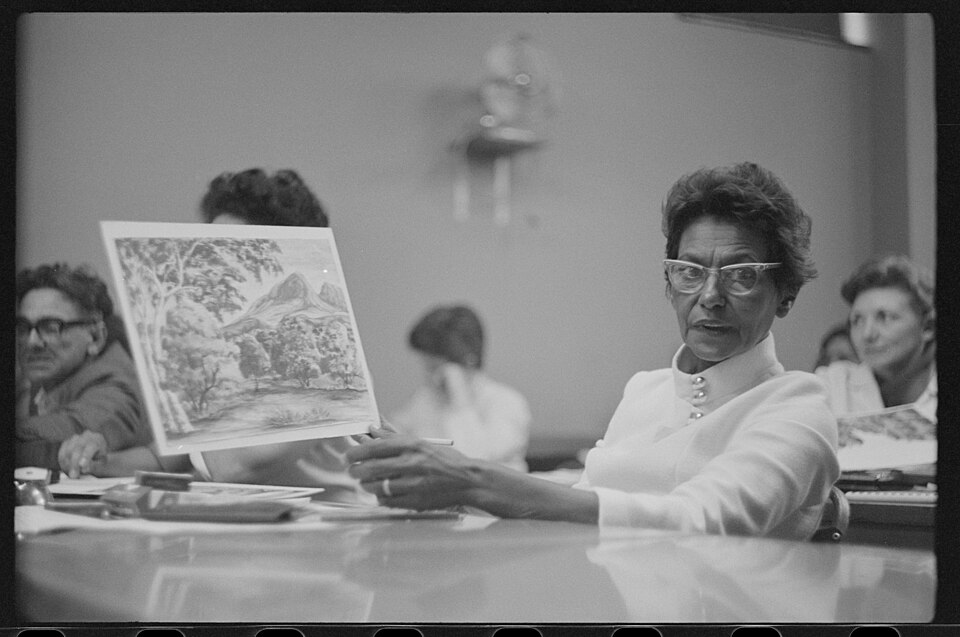
Noonuccal (Quandamooka)
Oodgeroo Noonuccal
Kabi Kabi poet and activist; author of We Are Going (1964), the first book of verse published by an Aboriginal Australian — a literary act of political defiance.
1920 – 1993
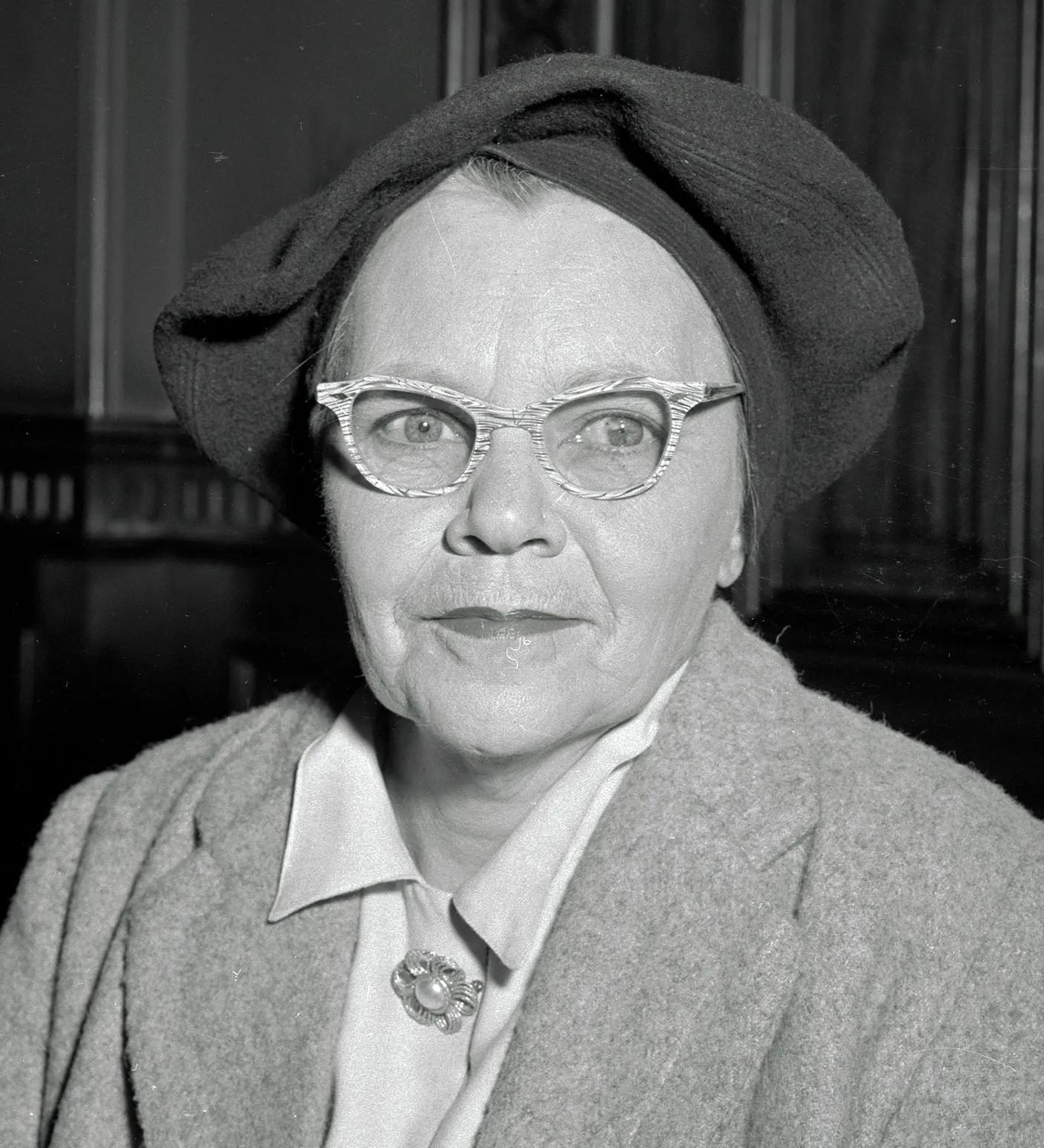
Ngemba
Pearl Gibbs
Campaigned against the Aborigines Protection Act from the 1930s; fought for Aboriginal women's welfare and equal wages when such demands were considered dangerous.
1901 – 1983
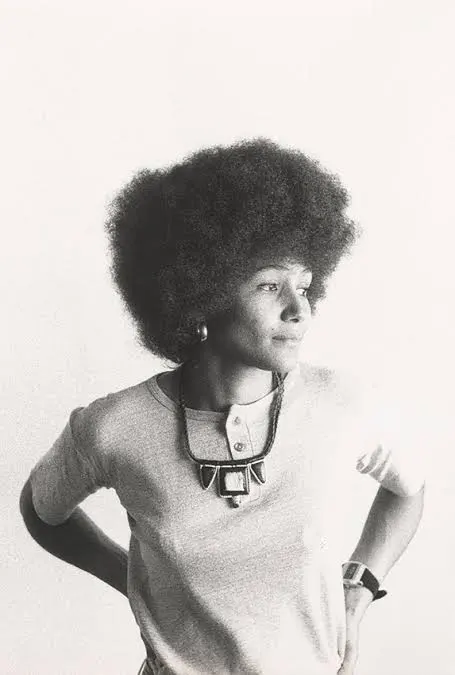
Aboriginal Australian
Roberta Sykes
Activist, poet and academic; secretary of the Aboriginal Tent Embassy; author of the landmark memoir trilogy Snake Dreaming.
1943 – 2010
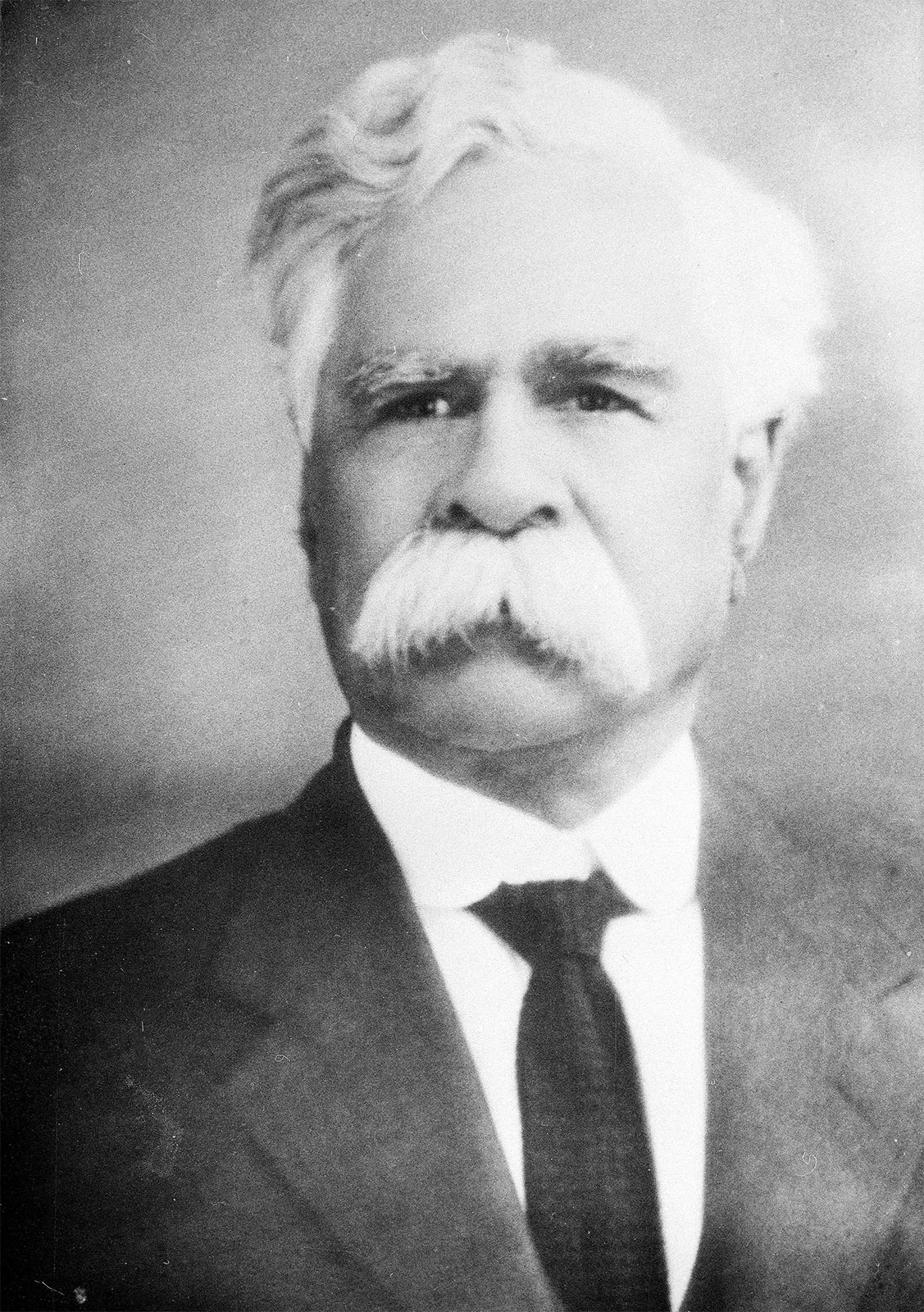
Yorta Yorta
William Cooper
Yorta Yorta elder who petitioned King George V for Aboriginal rights; uniquely, led a formal protest against Nazi Kristallnacht in 1938 — one of the only non-Jewish organisations worldwide to do so.
1861 – 1941
New Zealand — Aotearoa
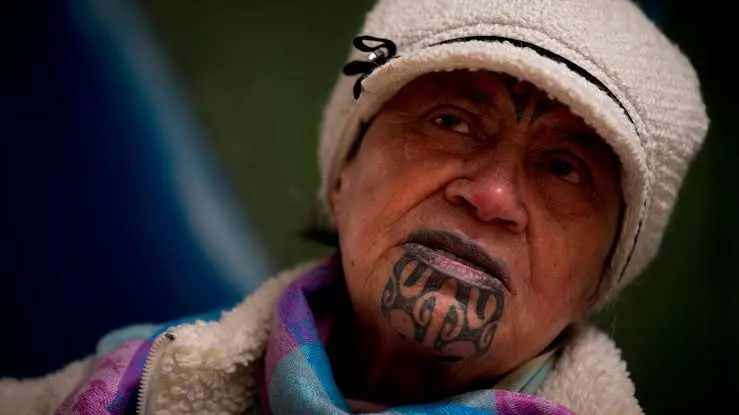
Ngāti Te Ata
Dame Nganeko Minhinnick
Pioneered Waitangi Tribunal claims for Māori water rights; helped embed kaitiakitanga into New Zealand's Resource Management Act 1991.
1933 – 2009
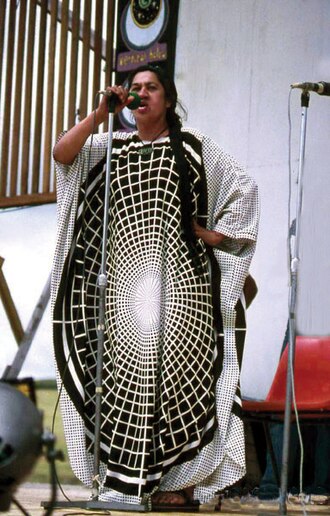
Tainui
Eva Rickard
Led the 1978 Raglan Golf Course occupation; secured one of New Zealand's first returns of Crown-confiscated Māori land in 1983.
1925 – 1997
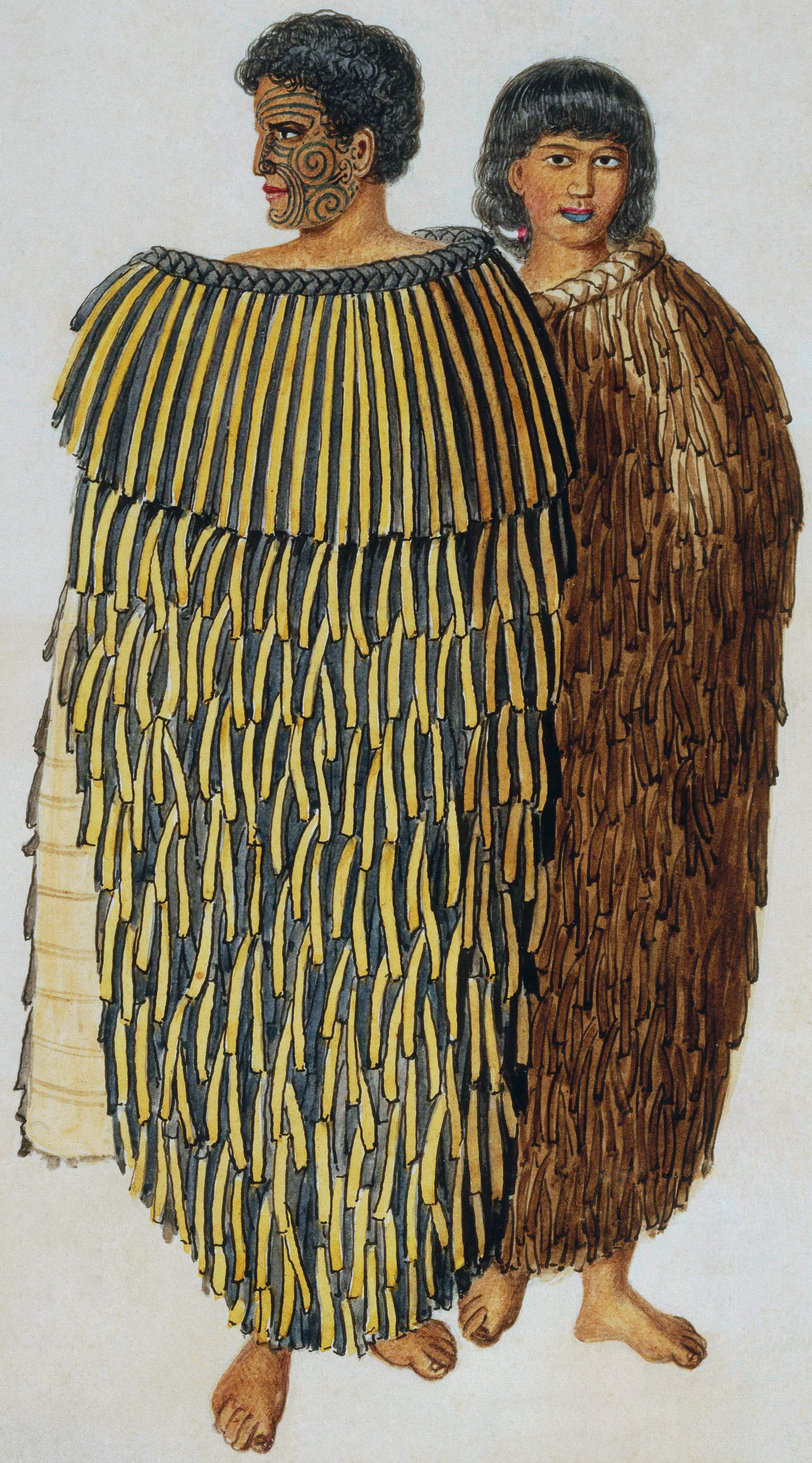
Ngāpuhi
Hone Heke
Repeatedly felled the British flagstaff at Kororāreka (1844–45), igniting the Northern War and asserting Māori determination to hold the Crown to its Treaty obligations.
c.1810 – 1850
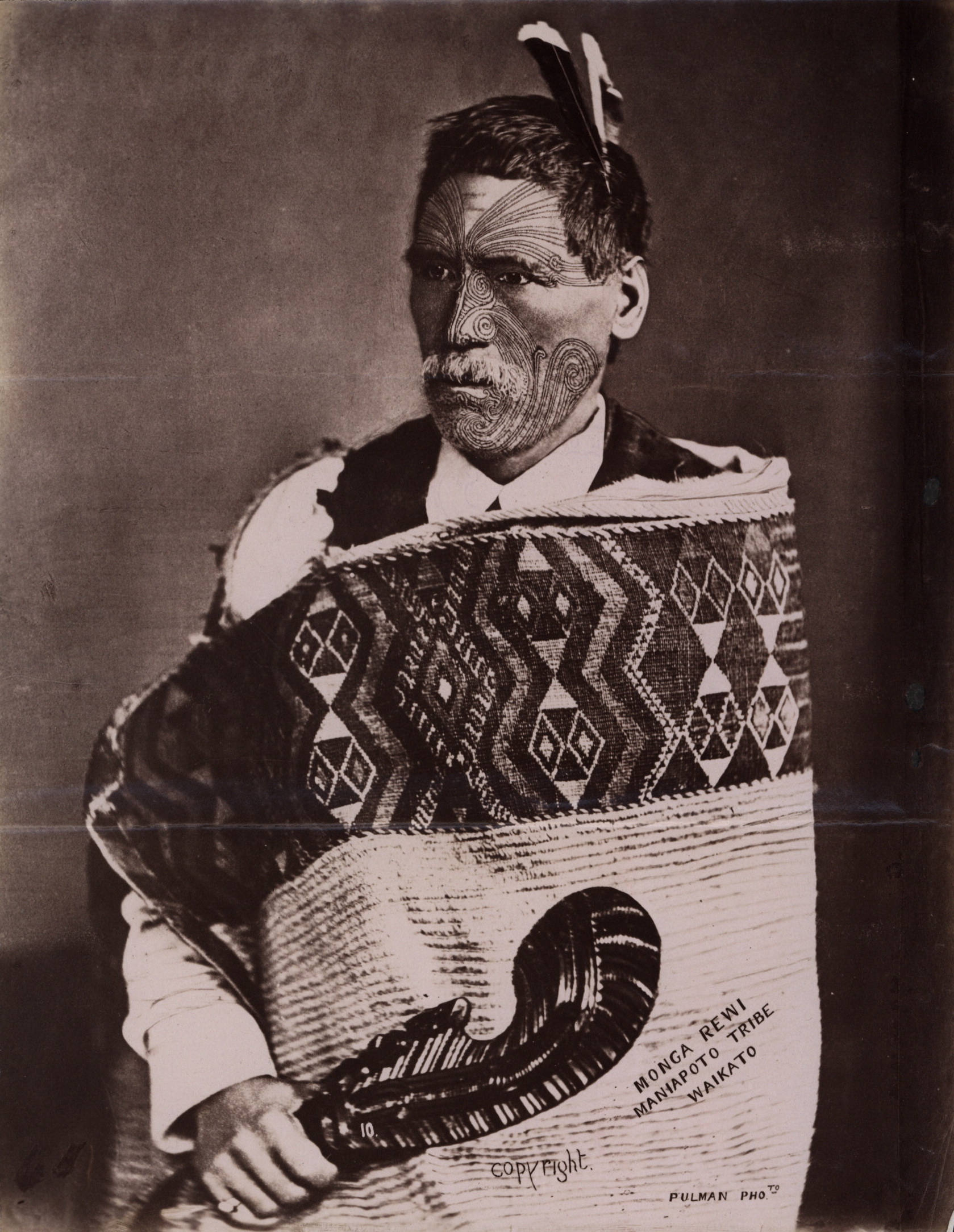
Ngāti Maniapoto
Rewi Maniapoto
War chief renowned for his stand at the Battle of Ōrākau (1864); his defiant words — Ka whawhai tonu mātou, ake ake ake — became a Māori rallying cry for all time.
c.1815 – 1894
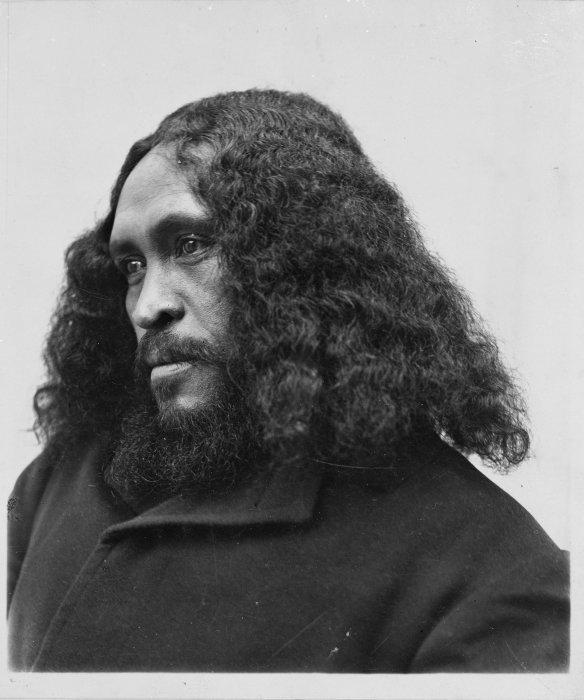
Tūhoe
Rua Kēnana
Tūhoe prophet who established the utopian community of Maungapōhatu; resisted military conscription and was controversially arrested by armed police in 1916.
1869 – 1937
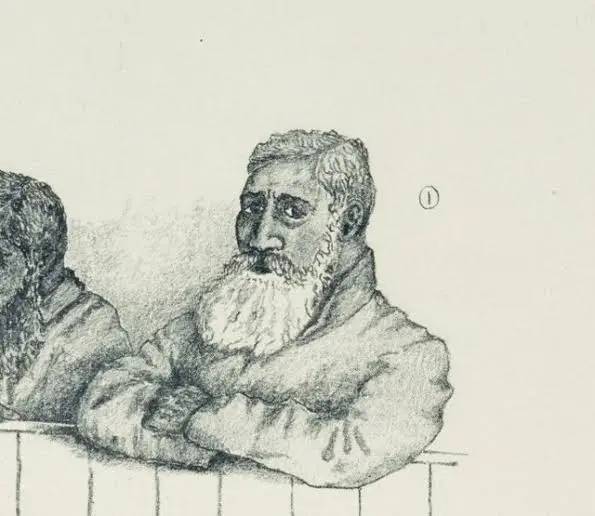
Taranaki / Te Ātiawa
Te Whiti o Rongomai
Prophet and pacifist leader of Parihaka; organised non-violent resistance to land confiscation in the 1870s–80s, decades before Gandhi articulated similar principles.
c.1832 – 1907
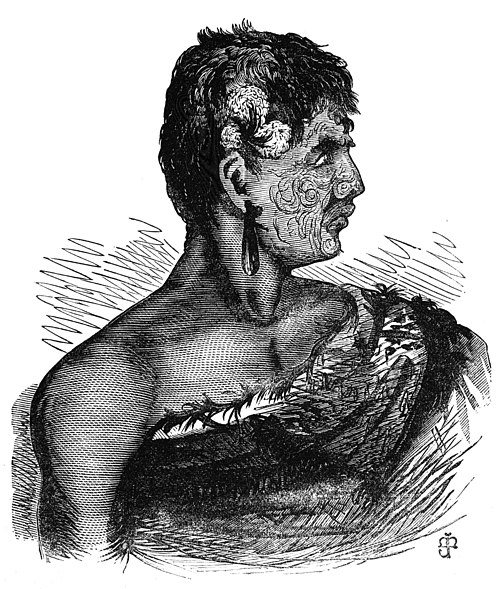
Ngāruahine
Tītokowaru
War leader who inflicted stunning defeats on colonial forces in Taranaki (1868–69); later embraced Pai Mārire religion and devoted himself to non-violence and rebuilding.
c.1823 – 1888
Taranaki / Te Ātiawa
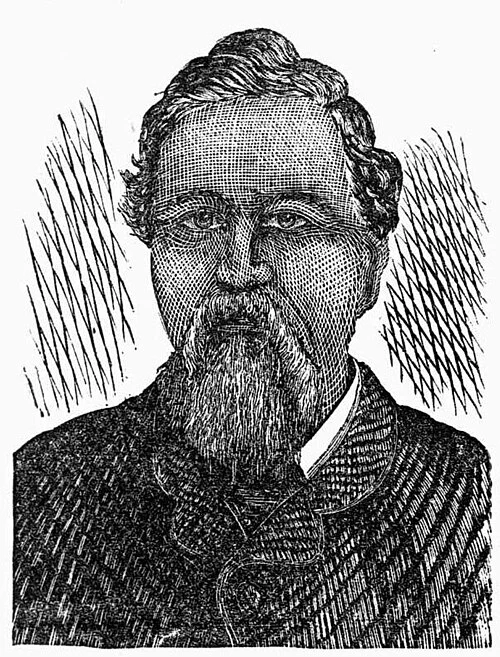
Tohu Kākahi
Co-leader of Parihaka alongside Te Whiti; guided his people through arrest, imprisonment and land loss without ever abandoning the principle of peaceful resistance.
c.1828 – 1907
Te Rarawa / Ngāti Whātua
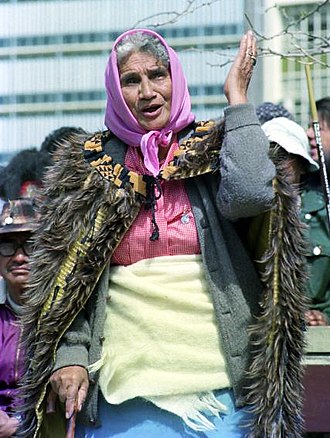
Dame Whina Cooper
Founder of the Māori Women's Welfare League; led the 1975 Land March — a 1,000-kilometre journey from Te Hapua to Parliament that galvanised the Māori land rights movement.
1895 – 1994