Ethiopia & Eritrea — The Coloniser and the Colonised
The relationship between Ethiopia and Eritrea is one of the most complex and painful in African history — a story in which the symbols get reversed, the coloniser is African, and the liberation movement is fighting not a European power but the oldest continuous state on the continent. Ethiopia's victory over Italy at the Battle of Adwa on 1 March 1896 — when Emperor Menelik II's forces destroyed an Italian army and preserved Ethiopian sovereignty in the era of the scramble for Africa — made Ethiopia the symbol of African resistance to colonialism for generations of pan-Africanists, from Marcus Garvey to Kwame Nkrumah. Yet Ethiopia's own imperial expansion in the late nineteenth and early twentieth centuries had incorporated peoples who had not been part of the Amhara-dominated highland kingdom, and when Eritrea was federated with Ethiopia in 1952 and then annexed outright in 1962, it was the Ethiopian state — however admired in pan-African imagination — that became the power against which Eritreans fought their thirty-year war.
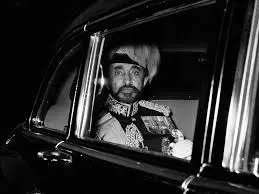
Haile Selassie is the pivot around which the contradictions of this story turn. As Ras Tafari Makonnen, he consolidated power within the Ethiopian imperial system across the 1920s, became regent in 1917 and emperor in 1930, and immediately set about modernising the Ethiopian state — abolishing the slave trade, introducing a constitution, seeking League of Nations membership, and transforming Addis Ababa into a functioning modern capital. When Italy invaded in October 1935, he organised the resistance, and when the League of Nations failed to act effectively, he appeared before it in Geneva in June 1936 to deliver a speech warning the assembled nations that international law was dead. The speech made him an international figure — Time magazine's man of the year, a symbol of the small state defying fascist aggression. For the Rastafarian movement that had developed in Jamaica in the 1930s on the basis of his coronation, he was literally divine: Jah, the returned messiah. For pan-Africanists of the independence era, he was the host of the Organisation of African Unity, founded in Addis Ababa in 1963, and the embodiment of African sovereignty. But for Eritreans, he was the man who had lobbied against their federation's autonomy, stripped it of its federal status, and imposed Amharic as the language of instruction in Eritrean schools — the acts that turned Eritrean political grievance into armed insurrection. And for the majority of Ethiopians, his reign was one of feudal autocracy, famine denied and mismanaged, and political repression. He was deposed by the Derg military committee in 1974 and murdered — almost certainly strangled on Mengistu's orders — in August 1975.
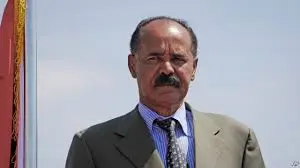
The Eritrean liberation movement began in 1961 with the founding of the Eritrean Liberation Front — a Muslim-dominated, Arab-aligned organisation that launched armed struggle in the western lowlands. By the early 1970s, a younger, more ideologically sophisticated and socially inclusive group had broken from the ELF to form the Eritrean People's Liberation Front. The EPLF under Isaias Afwerki became one of the most formidable guerrilla organisations in African history — disciplined, internally democratic in its early years, capable of building and defending a liberated territory in the Sahel region that functioned as a miniature state, with its own hospitals, schools, factories, and administrative structures. The women who made up roughly a third of the EPLF's fighter force were genuinely integrated into combat roles in a way that was unusual even by the standards of African liberation movements. The EPLF's military achievement — sustaining armed resistance against a Soviet-equipped Ethiopian army for three decades, defeating that army in the field, and marching into Asmara in May 1991 — was remarkable by any measure.
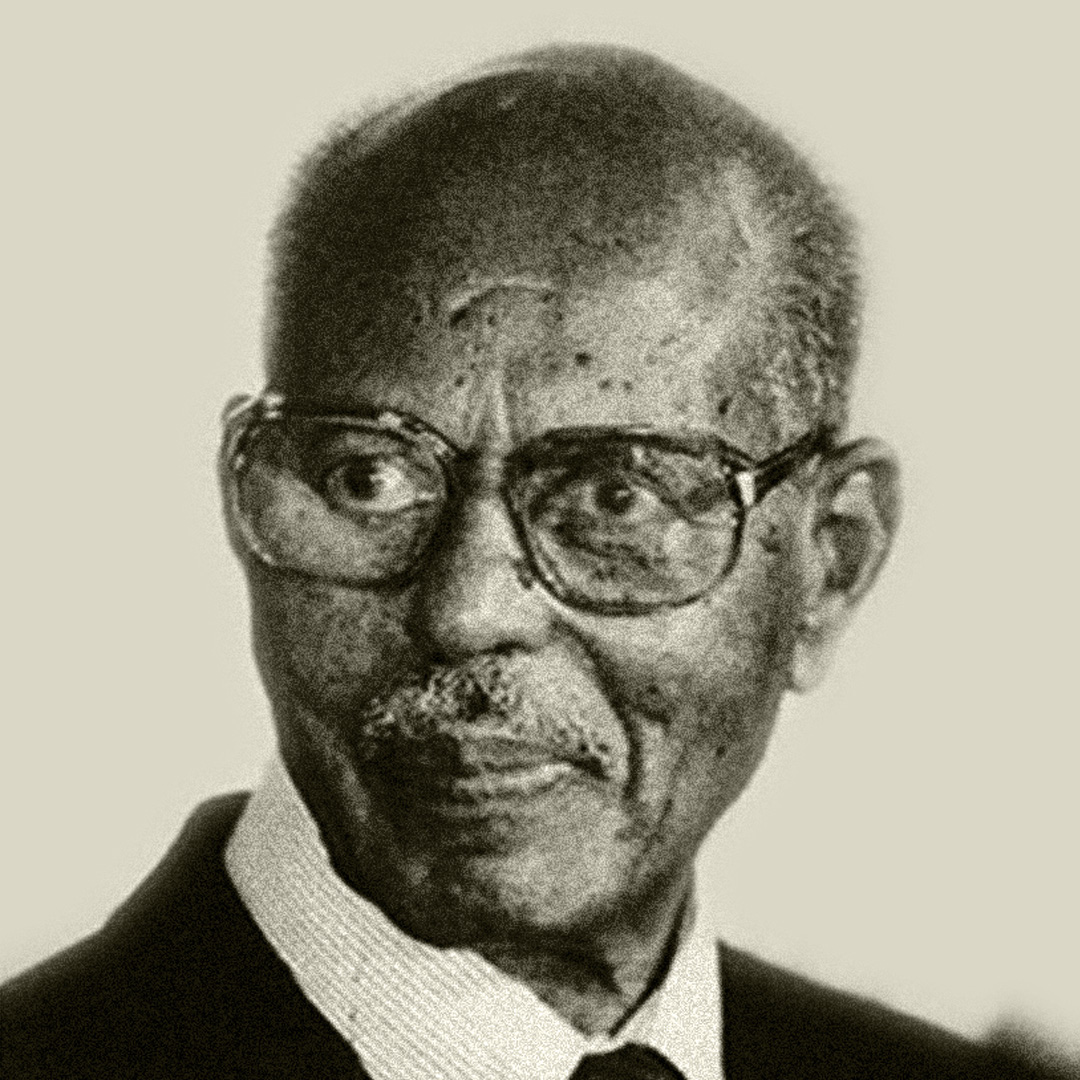
Woldeab Woldemariam was the movement's intellectual ancestor — a teacher and journalist from Akele Guzai who had argued for Eritrean independence in the 1940s when the United Nations was deciding the territory's fate, and who survived seven assassination attempts by Ethiopian agents before going into exile in Egypt in 1953. His radio broadcasts from Cairo in the following decades kept Eritrean national consciousness alive in the diaspora and among those inside the territory who could receive them. He was ninety years old when Eritrea became independent in 1993, and he died two years later — outliving the cause he had served for half a century and the state whose birth he had done more than almost anyone to make possible.
The tragedy of Eritrean independence is that the liberation movement that won it became the government that has since made Eritrea one of the most repressive states on earth. Isaias Afwerki — the EPLF commander who led the final offensive of 1991 and became independent Eritrea's first president — has ruled without elections, without a functioning constitution, without an independent press, and without meaningful political opposition since independence. In September 2001, the eleven senior EPLF figures who signed a public letter calling for democratic reform — among them Petros Solomon and Haile Woldetensae — were arrested and placed in incommunicado detention. None has been seen publicly since. Their fate is unknown. The men and women who spent their lives fighting for Eritrean freedom found that the state they had built offered its people no more freedom than the Ethiopian state they had fought to escape.