Kenya's Road to Uhuru — Labour, Land, and the Forest War
The story of Kenyan resistance to British colonialism begins before the formal declaration of the East Africa Protectorate and runs through six decades of organisation, repression, armed uprising, and constitutional negotiation — a history shaped at every stage by the land question that British settlement had made the central injustice of Kenyan colonial life. The fertile highlands of central Kenya, home of the Kikuyu people, were designated Crown Land by the colonial administration, allocated to white settlers, and worked by Kikuyu squatters under conditions of near-serfdom. Landlessness was not incidental to colonial Kenya; it was its foundation. Every form of political organisation that Kenya's African population built in the colonial period — from Harry Thuku's East African Association to the Kikuyu Central Association to the Kenya African Union to the Mau Mau — was, at its root, a response to that dispossession.
Mekatilili wa Menza stands at the beginning of the archive as a figure who reminds us that organised resistance to British rule predates the educated nationalist generation by decades and drew on traditions of authority that the colonial system could not fully comprehend. A Giriama woman from the Kenya coast — already elderly by the time of her rebellion — she organised the Giriama people against the British demand for forced labour in 1913, conducting ceremonies in the kaya sacred groves that prohibited her community from cooperating with colonial requirements under pain of supernatural sanction. The British arrested her and exiled her to western Kenya; she escaped and walked home — an act of endurance that, for the Giriama, confirmed her status as a figure of extraordinary power. She was arrested again, exiled again, and eventually allowed to return. She died in approximately 1924, uncelebrated by the colonial administration and half-forgotten by the constitutional nationalists who followed her. Independent Kenya eventually named a university after her. It was insufficient recognition for a woman who had resisted the colonial system with every means available to her before most of her eventual successors were born.
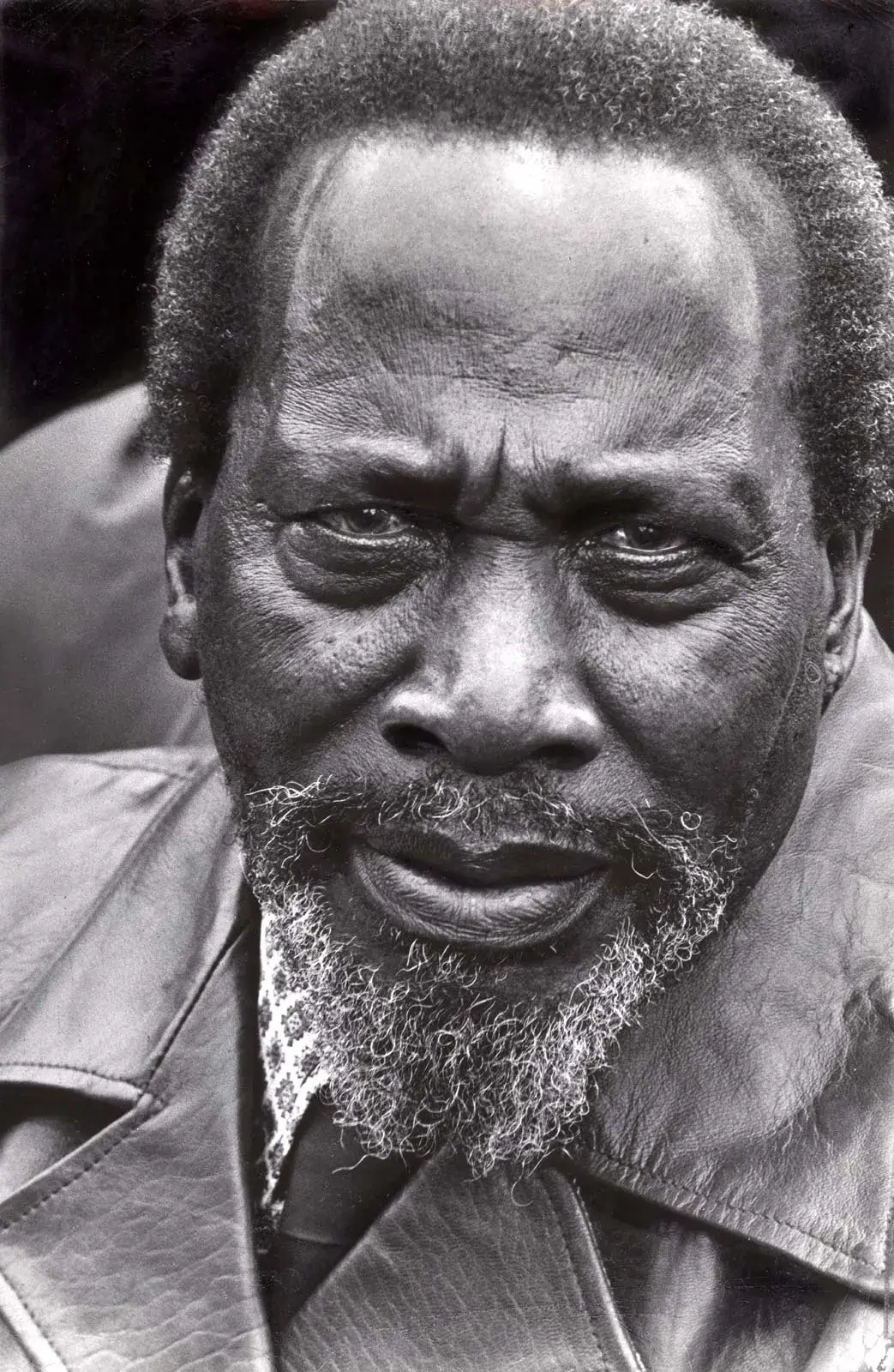
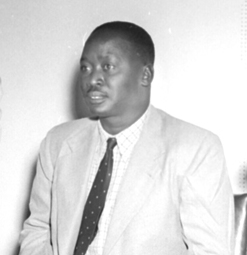
Harry Thuku, who founded the East African Association in 1921, was the first Kenyan to build a mass political organisation — one that brought together Kikuyu, Kamba, and Luo workers in Nairobi and articulated a programme of political demands: lower taxes, an end to the kipande identity pass system, better wages, the return of alienated land. His arrest in March 1922 triggered the first mass protest in Kenyan history, when thousands of Africans gathered outside the Norfolk Hotel where he was being held. The police opened fire. Twenty-five people were killed — among them Mary Muthoni Nyanjiru, who, according to witnesses, confronted the men in the crowd who were hesitating to push forward by lifting her dress and shaming them, saying that if they were afraid to die she would show them how. She was among the first shot. Thuku spent nine years in detention without trial, and when he returned to political life his radicalism had been moderated. But the movement he founded — taken up by Jomo Kenyatta and the Kikuyu Central Association through the 1930s, and by the Kenya African Union through the 1940s — had set the terms of Kenyan nationalist politics for a generation.
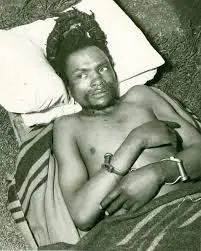
The Mau Mau uprising that began in 1952 was the most violent episode in the history of Kenyan colonialism — an armed revolt by predominantly Kikuyu fighters, rooted in land grievance and political frustration, that the British suppressed through a campaign of exceptional brutality. The Emergency declared in October 1952 resulted in the detention of over 150,000 Kenyans in a network of camps where systematic torture, starvation, and extrajudicial killing were routine. The Mau Mau itself killed approximately 1,800 African civilians who collaborated with British rule, and 32 European settlers. British forces, settler police, and African Home Guards killed an estimated 20,000 Mau Mau fighters and civilians. The forest armies of the Aberdares and Mount Kenya, commanded by figures like Dedan Kimathi — a former clerk who became the movement's supreme military leader, conducting a guerrilla campaign against a modern army while maintaining discipline and political coherence in extraordinarily difficult conditions — were never defeated in the field, but were ground down by superior resources, aerial bombardment, and the progressive isolation of the forests. Kimathi was captured wounded in October 1956 and hanged on 18 February 1957. His grave at Kamiti Prison was kept secret for decades; his body has never been returned to his family.
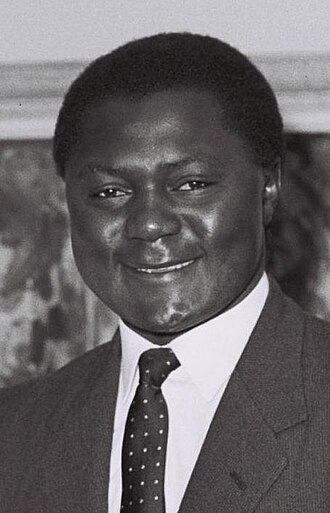
Tom Mboya is perhaps the most tantalising of Kenya's independence figures — a man of such ability, energy, and political sophistication that his assassination at thirty-eight in July 1969 removed from East African politics someone who might have become one of the continent's defining statesmen. A Luo from South Nyanza who rose through the trade union movement to become general secretary of the Kenya Federation of Labour at twenty-three, Mboya organised the "airlift" programmes that brought hundreds of Kenyan students to universities in the United States and Britain, including a young Barack Obama Sr., who became the father of an American president. He was KANU's secretary-general, the principal architect of Kenya's Sessional Paper No. 10 on African Socialism, and widely regarded as the most likely successor to Kenyatta. He was shot dead on a Nairobi street on 5 July 1969. The gunman was convicted; those who ordered the killing were never identified. Oginga Odinga — who had resigned as Vice-President in 1966 over the direction of Kenyatta's government and spent the rest of his long life as a democrat and opposition figure in a political system that repeatedly imprisoned him — accused the government. No definitive truth has ever emerged. Mboya's murder, like Lumumba's and Cabral's, remains one of the defining unresolved crimes of African independence.