Angola's Liberation Struggle — Poetry, War, and the Long Road to Peace
Portugal was the first European power to establish a presence in sub-Saharan Africa and among the last to leave. The Portuguese arrived on the Angolan coast in the 1480s, established trading relationships that quickly became relationships of extraction and enslavement, and over five centuries transformed Angola into the largest source of enslaved people in the transatlantic trade. By the twentieth century, Angola was a formal colonial possession governed through a system of forced labour — the contrato — that bound African workers to Portuguese employers under conditions scarcely distinguishable from slavery. Portuguese colonialism was not only economic; it was a totalising project that denied Angolans political rights, suppressed African culture and language, and reserved economic advancement for settlers and a tiny assimilated African elite known as the assimilados.
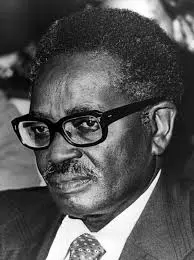
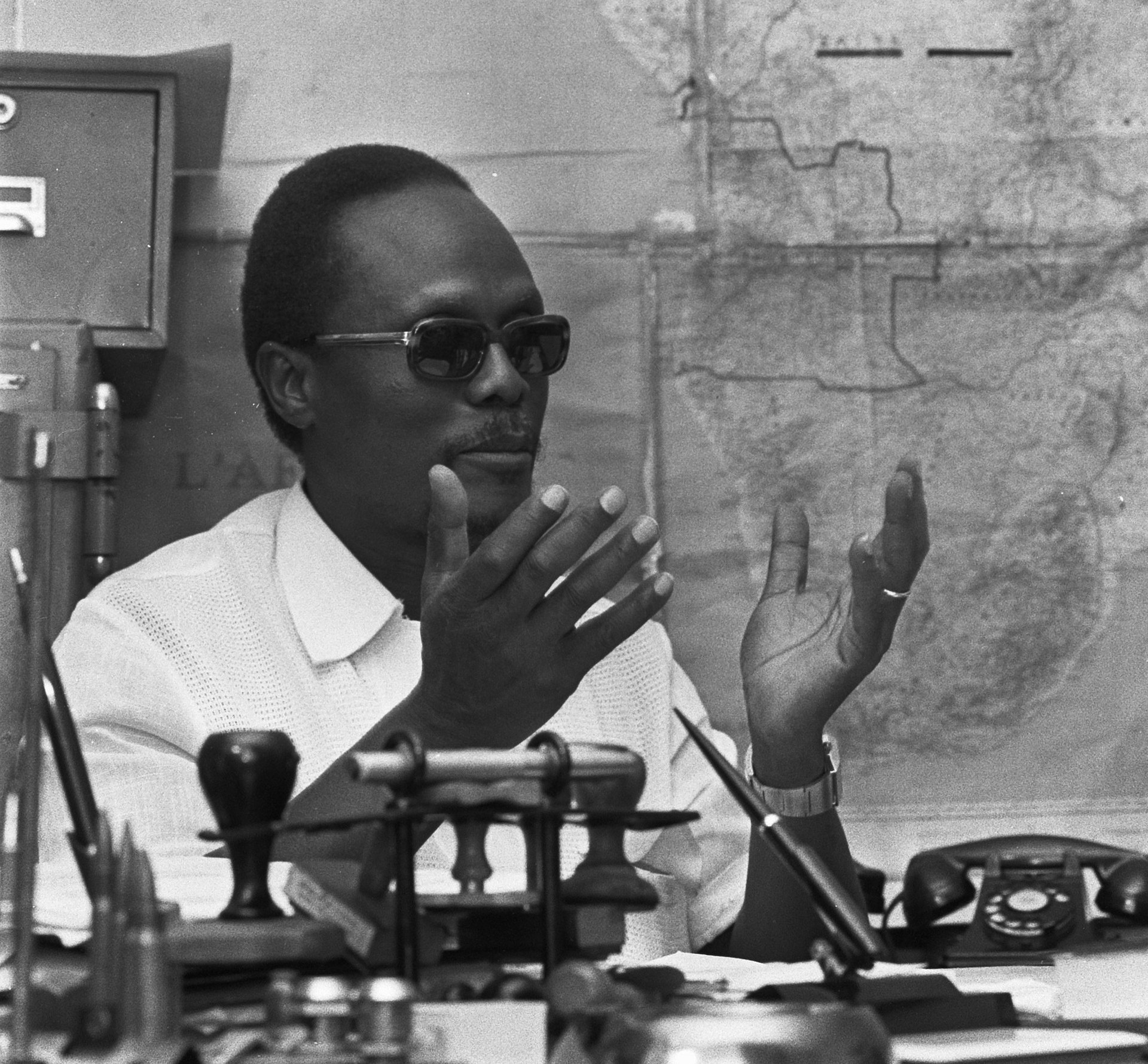
The independence movement emerged from this assimilado class — men and women who had received Portuguese education, spoken Portuguese as their first language, and been promised the full rights of Portuguese citizenship, only to discover that the promise was a lie. The Movimento Popular de Libertação de Angola (MPLA), founded in 1956, brought together communist intellectuals, urban workers, and mestiço and assimilado activists under the leadership of Agostinho Neto — a doctor, a poet, and a man of remarkable personal authority who had been arrested multiple times by the Portuguese secret police, the PIDE, and whose 1960 arrest in the village of Catete sparked the first mass uprising of the independence era. Neto gave the MPLA its cultural as well as its political identity; his poetry, and the poetry of Viriato da Cruz, António Jacinto, and others in the Mensagem group of the 1950s, articulated an Angolan national consciousness that preceded the movement's armed phase.
The armed struggle began on 4 February 1961, when MPLA militants attacked the São Paulo prison in Luanda in an attempt to free political prisoners. The attempt failed, but the Portuguese reprisals — which killed thousands of Africans in Luanda's musseques — hardened the independence movement's resolve. Two weeks later, in the north of the country, Bakongo villagers attacked Portuguese settlers in an uprising connected to Holden Roberto's União das Populações de Angola, which later became the Frente Nacional de Libertação de Angola (FNLA). The Portuguese response was brutal and systematic: aerial bombardment, mass reprisals, and the deployment of tens of thousands of troops that eventually reached 60,000 men. The war that began in 1961 would not end until 1974 — when the Carnation Revolution in Lisbon overthrew the Estado Novo dictatorship and the new Portuguese government agreed to decolonise.
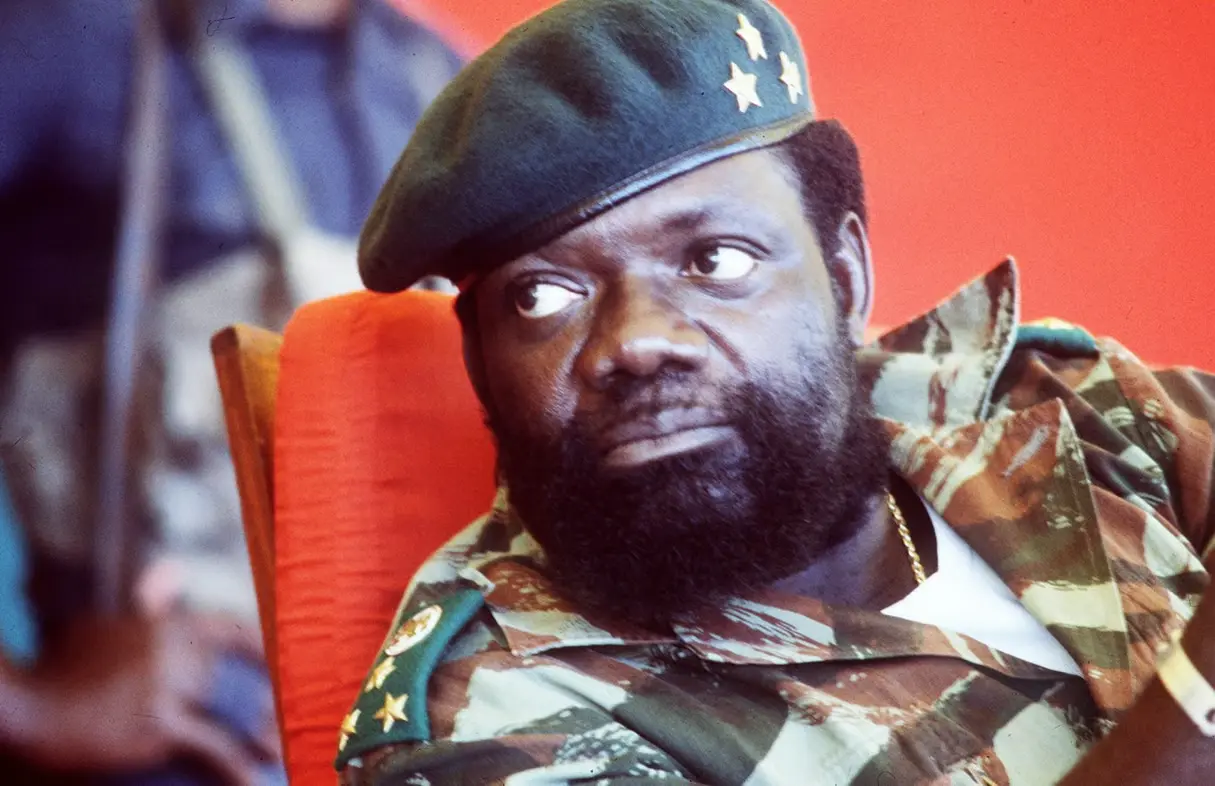
The liberation struggle was fought by three movements with incompatible ideologies and social bases. The MPLA drew its support from the Mbundu people of the Luanda hinterland, from the urban assimilado and mestiço class, and from the Angolan diaspora in the Congo; it was Marxist in orientation and received support from the Soviet Union and Cuba. The FNLA under Holden Roberto drew from the Bakongo of the north and received support from Zaire's Mobutu and from the United States. UNITA, founded in 1966 by Jonas Savimbi after his break with the FNLA, built its base among the Ovimbundu of the southern highlands and cultivated a populist Maoist identity before pivoting to American and South African support during the civil war. The divisions between the three movements — ethnic, ideological, and personal — meant that even before independence they were fighting each other as much as they were fighting the Portuguese.
Women played a significant role in the MPLA's armed wing, the FAPLA. Deolinda Rodrigues — teacher, writer, and MPLA activist — was captured along with a group of women guerrillas known as the Heroínas de Capatangala in 1967 and handed to Holden Roberto's FNLA, who murdered them. Her death became the founding martyrdom of Angolan women's liberation politics and her letters and diaries, preserved and published after independence, remain among the most vivid documents of what the struggle cost at the personal level. Ruth Lara, wife of Lúcio Lara, was another central figure in the MPLA's organisational life through the guerrilla years.
Independence came on 11 November 1975, but it was immediately succeeded by civil war as the three movements fought for control of the new state. Cuba deployed 36,000 troops in support of the MPLA; South Africa intervened militarily in support of UNITA and the FNLA; the United States funded UNITA through Zaire. The civil war lasted twenty-seven years and killed an estimated 500,000 people before Jonas Savimbi's death in combat in February 2002 brought it to an end. The country Agostinho Neto had proclaimed independent in 1975 — the Angola that Deolinda Rodrigues had died trying to create — took nearly three more decades to achieve the peace without which independence was a word without content.