Freedom Fighters
Ireland Profiles
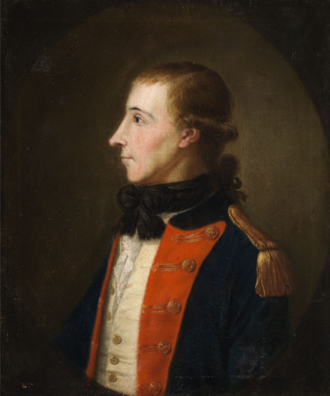
Ireland
Theobald Wolfe Tone
Father of Irish republicanism; led the United Irishmen rebellion of 1798; died in custody
1763 – 1798
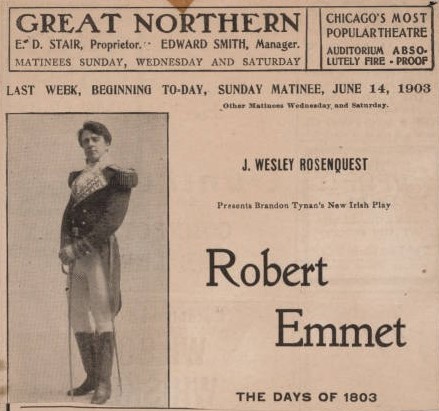
Ireland
Robert Emmet
Led the 1803 Dublin uprising; executed aged 25; his speech from the dock became a republican touchstone
1778 – 1803
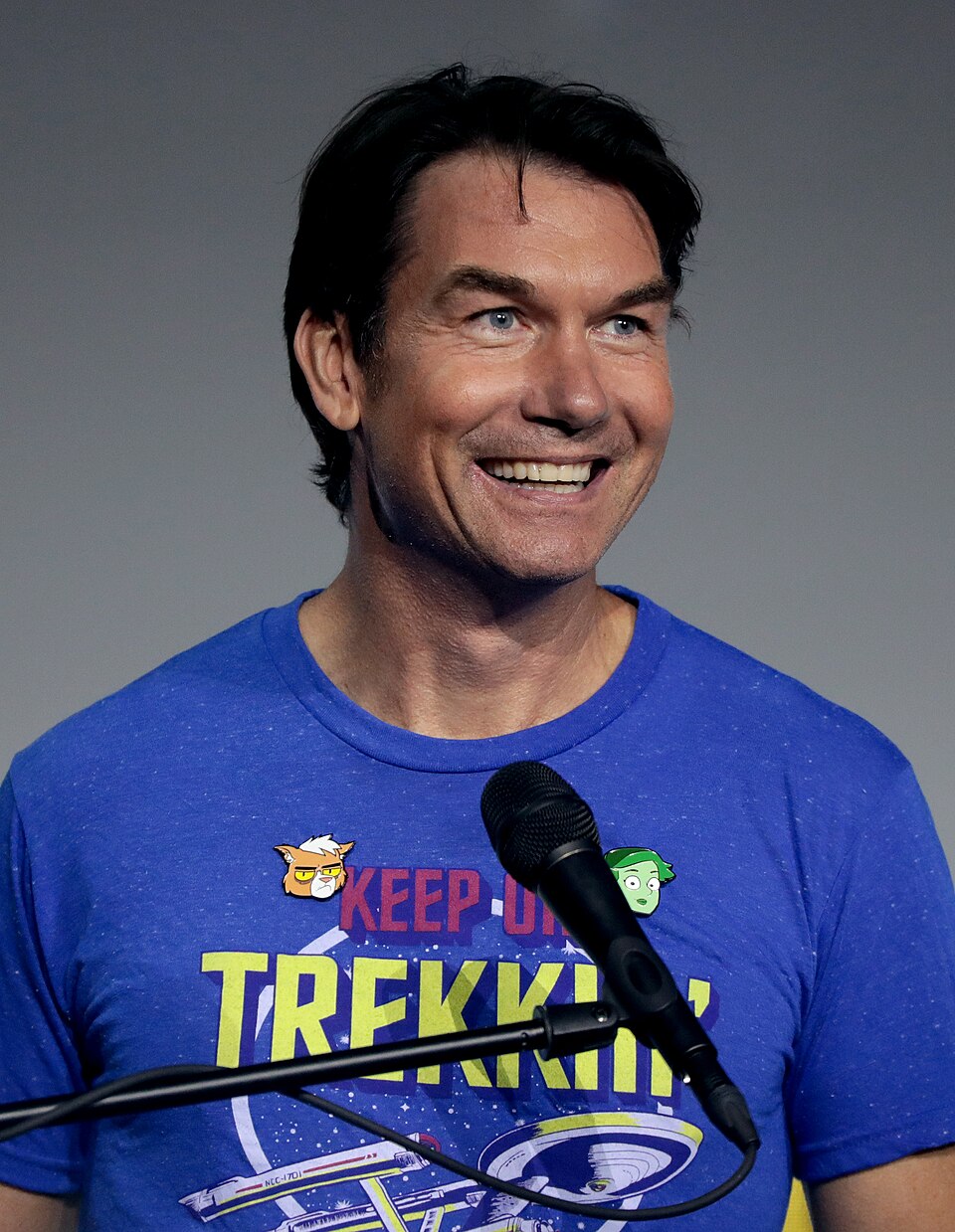
Ireland
Daniel O'Connell
The Liberator; won Catholic Emancipation in 1829; pioneered mass constitutional agitation
1775 – 1847
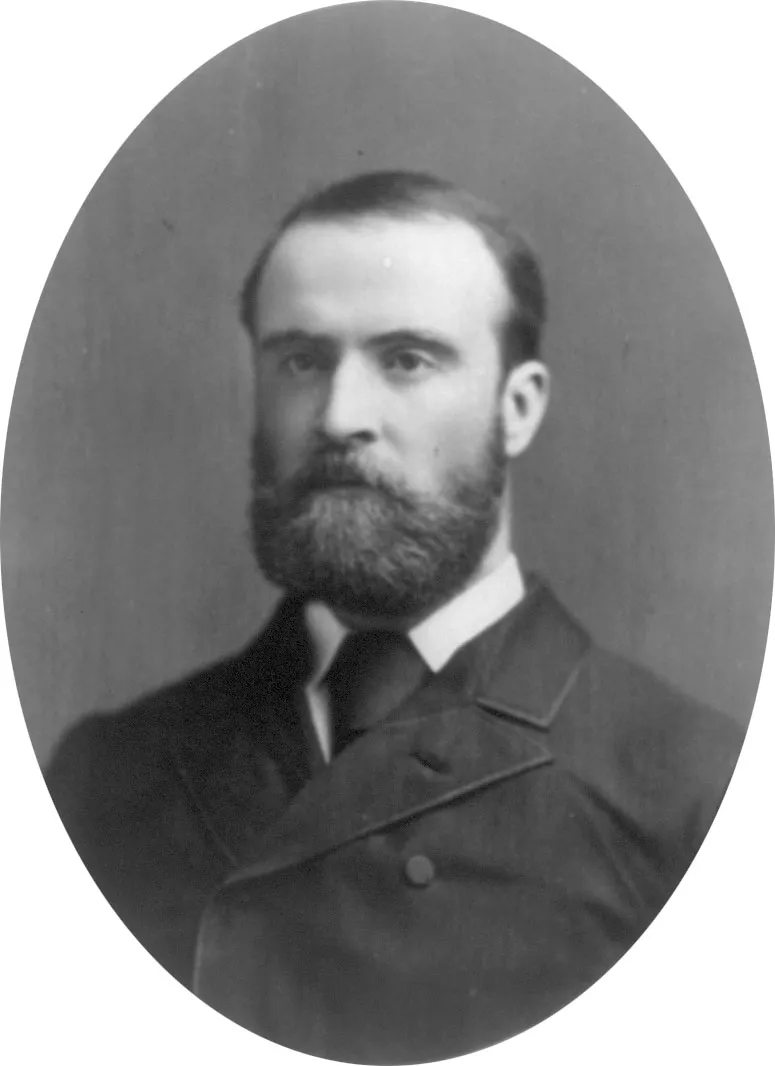
Ireland
Charles Stewart Parnell
The Uncrowned King of Ireland; led the Home Rule movement; mastered parliamentary obstruction
1846 – 1891
Ireland
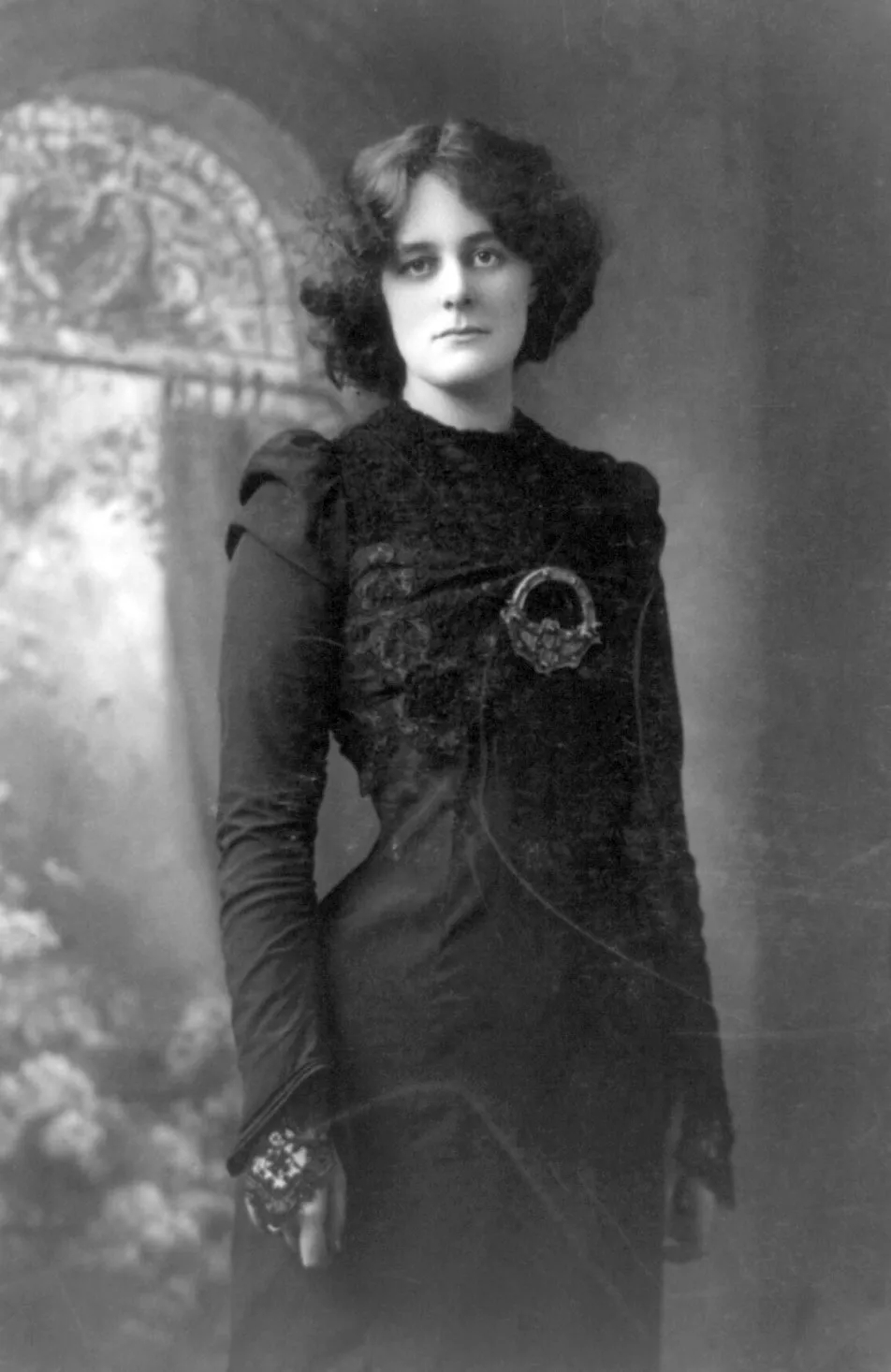
Maud Gonne
Republican activist, hunger striker, and muse of W.B. Yeats who put nationalism before poetry
1866 – 1953
Ireland
Roger Casement
Humanitarian investigator turned revolutionary; sought German aid for the 1916 Rising; hanged for treason
1864 – 1916
Ireland
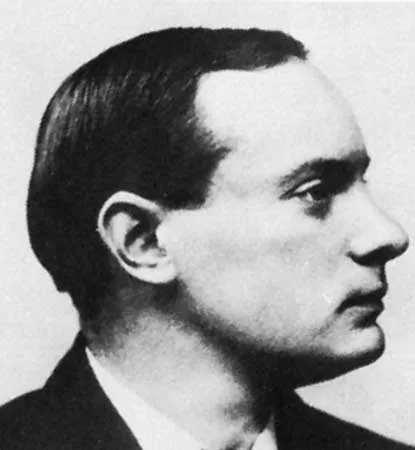
Patrick Pearse
Commander-General of the 1916 Rising; read the Proclamation of the Irish Republic; executed
1879 – 1916
Ireland
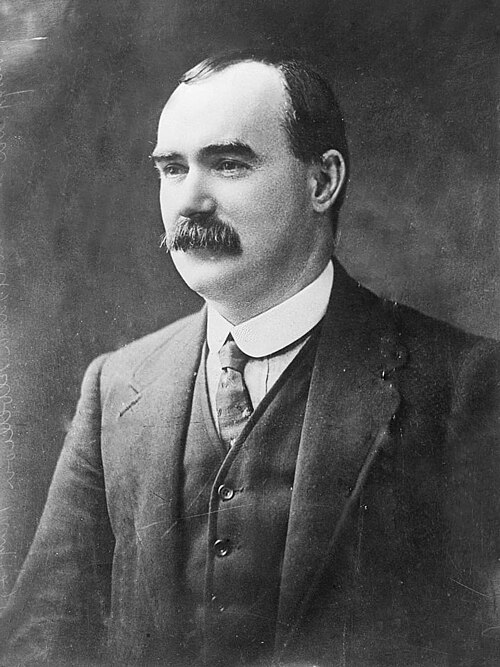
James Connolly
Labour leader and socialist revolutionary; commandant of the 1916 Rising; executed strapped to a chair
1868 – 1916
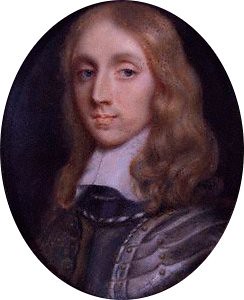
Ireland
Thomas Clarke
IRB leader; first signatory of the Proclamation; served 15 years in prison before leading the Rising
1857 – 1916
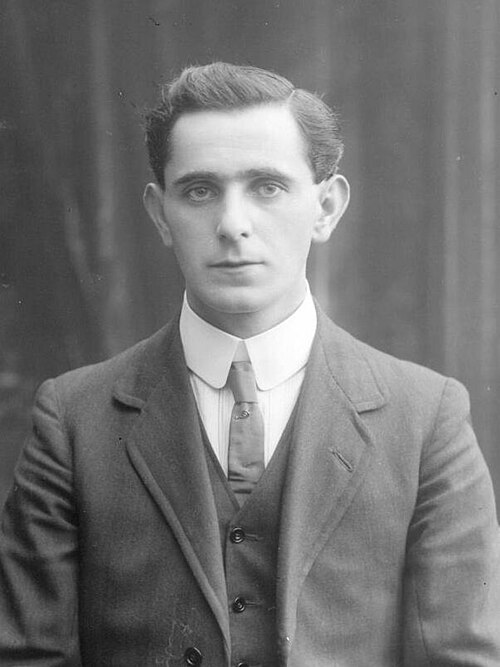
Ireland
Seán Mac Diarmada
IRB organiser; signatory of the 1916 Proclamation; the principal architect of the Rising's logistics
1883 – 1916
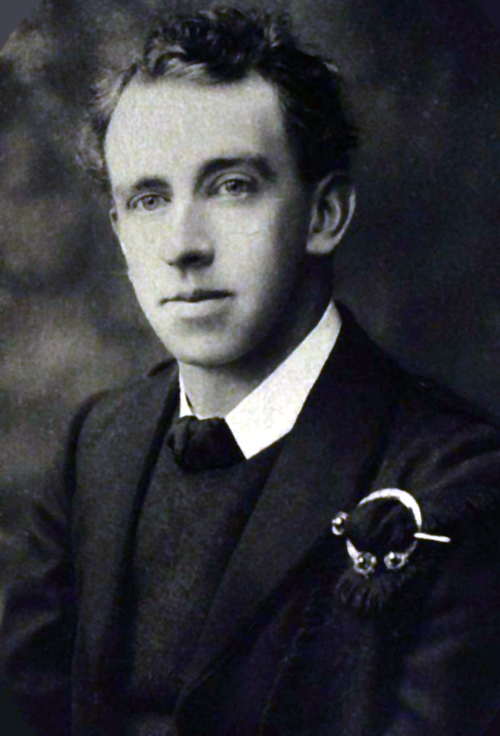
Ireland
Thomas MacDonagh
Poet and commandant of the 1916 Rising; led the garrison at Jacob's Factory; executed
1878 – 1916
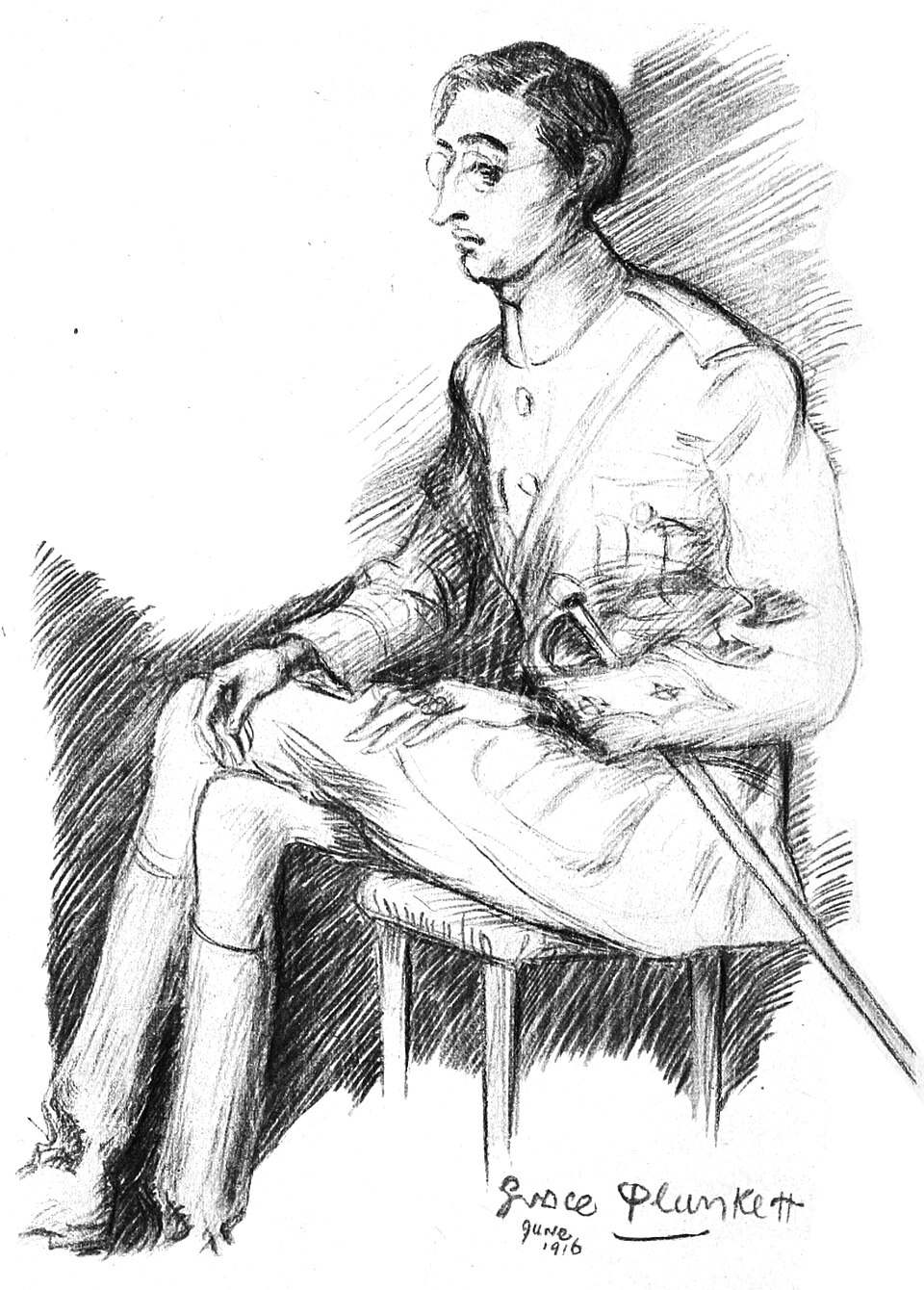
Ireland
Joseph Plunkett
Poet and military planner of the 1916 Rising; married hours before his execution
1887 – 1916
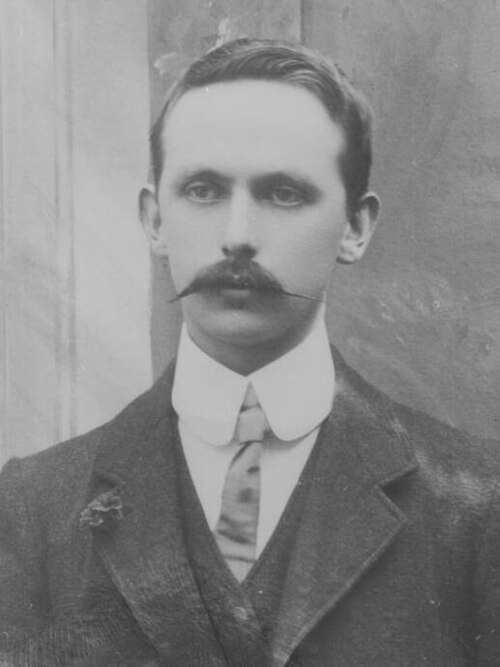
Ireland
Eamonn Ceannt
IRB leader and signatory of the 1916 Proclamation; led the South Dublin Union garrison
1881 – 1916
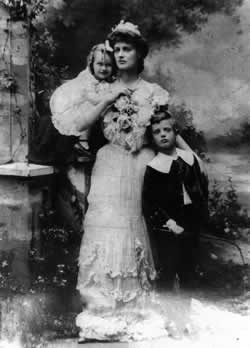
Ireland
Constance Markievicz
1916 Rising officer; first woman elected to Westminster; first female cabinet minister in Europe
1868 – 1927
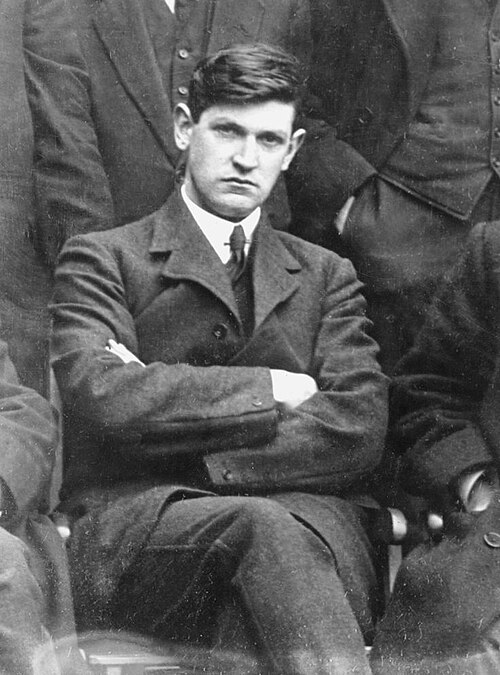
Ireland
Michael Collins
Director of Intelligence; architect of guerrilla warfare; negotiated the Anglo-Irish Treaty; killed in ambush 1922
1890 – 1922
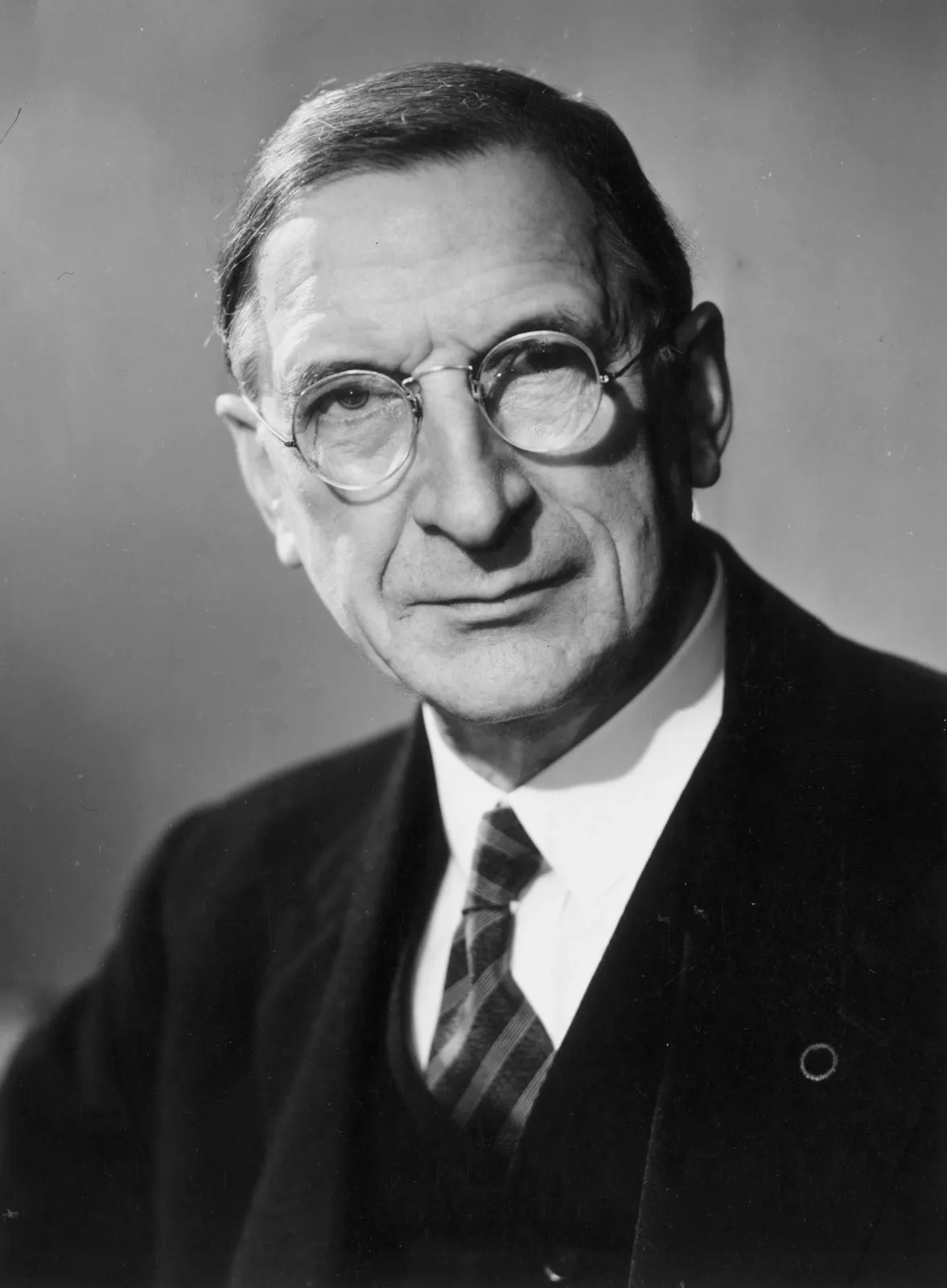
Ireland
Éamon de Valera
Survivor of 1916; opposed the Treaty; dominated Irish politics for four decades as Taoiseach and President
1882 – 1975
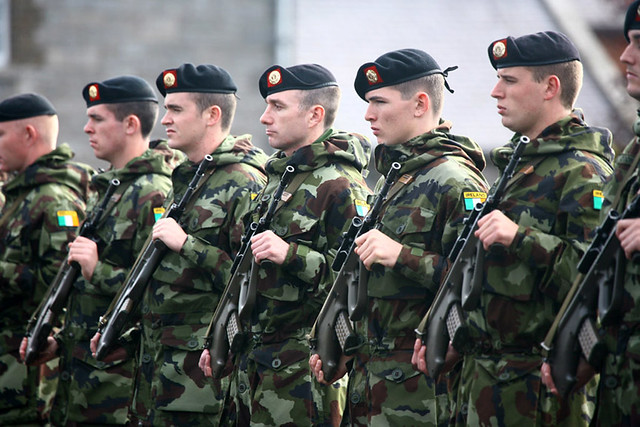
Ireland
Cathal Brugha
1916 veteran; Minister for Defence; anti-Treaty IRA chief; killed in the Civil War
1874 – 1922
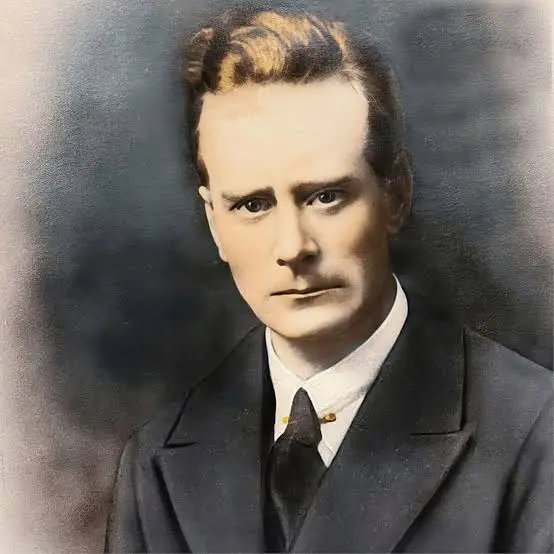
Ireland
Liam Mellows
Republican socialist; led the 1916 Rising in Galway; executed as a reprisal during the Civil War
1892 – 1922
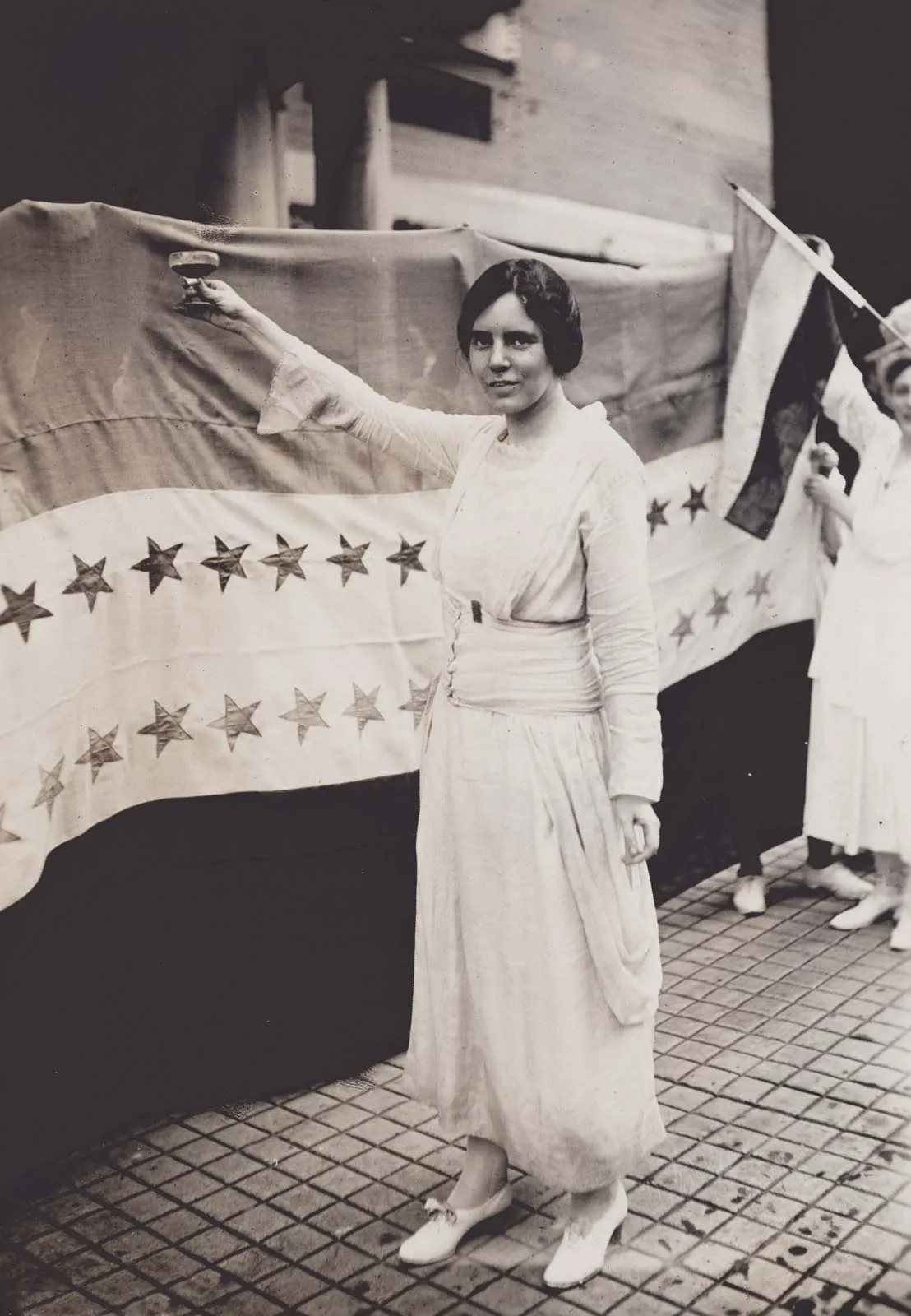
Ireland
Terence MacSwiney
Lord Mayor of Cork; died on hunger strike after 74 days in 1920; his death galvanised world opinion
1879 – 1920
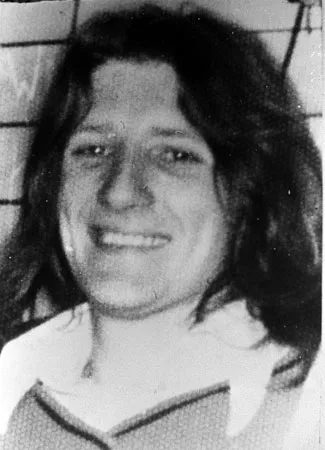
Ireland
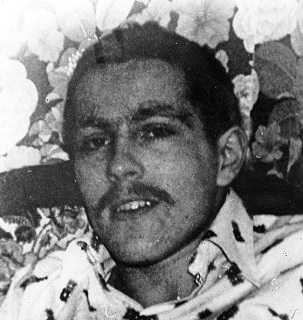
Bobby Sands
First of the 1981 hunger strikers; elected MP while on hunger strike; died after 66 days
1954 – 1981
Ireland
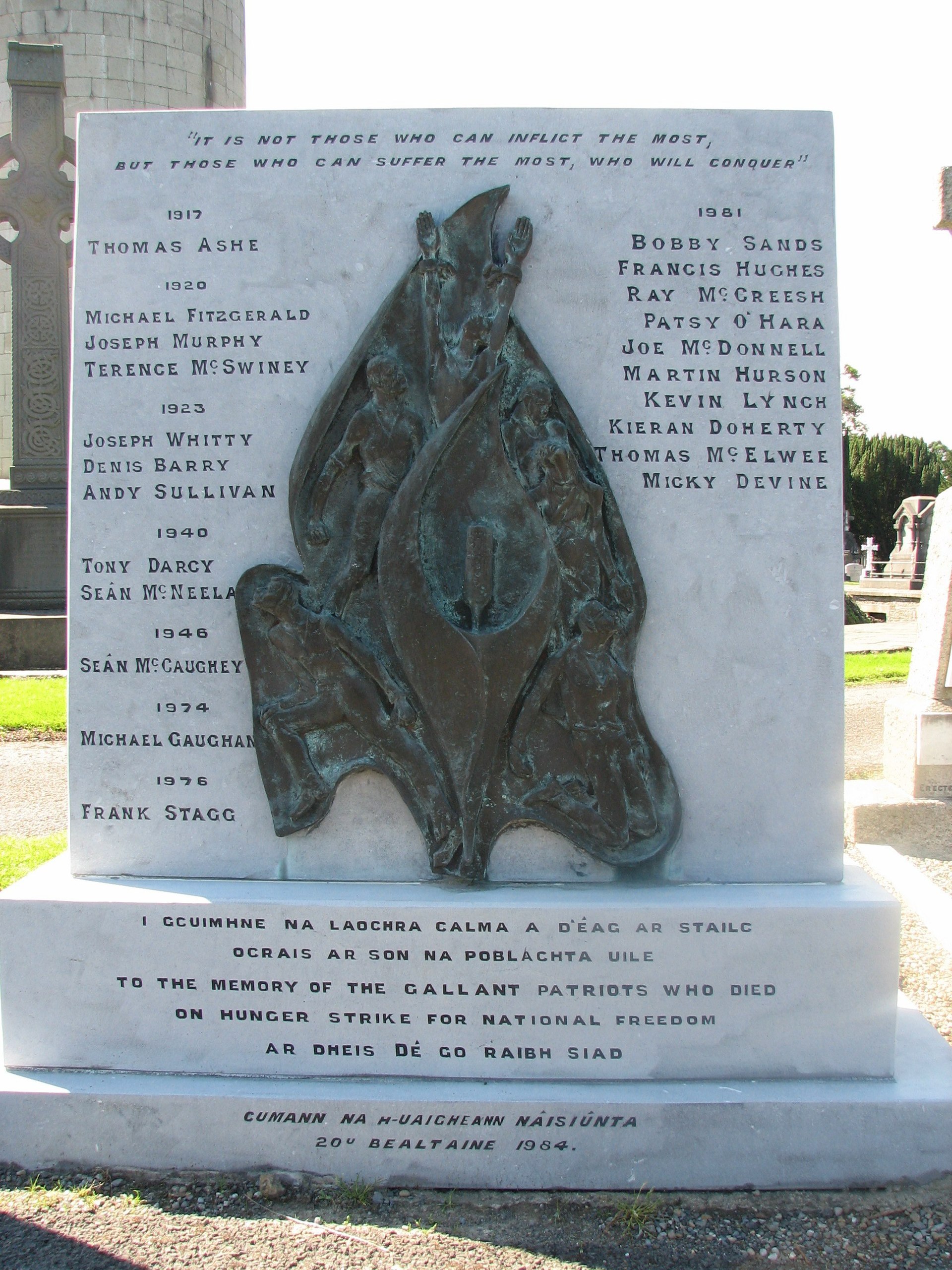
Francis Hughes
IRA volunteer; second hunger striker to die in 1981; died after 59 days
1956 – 1981
Ireland
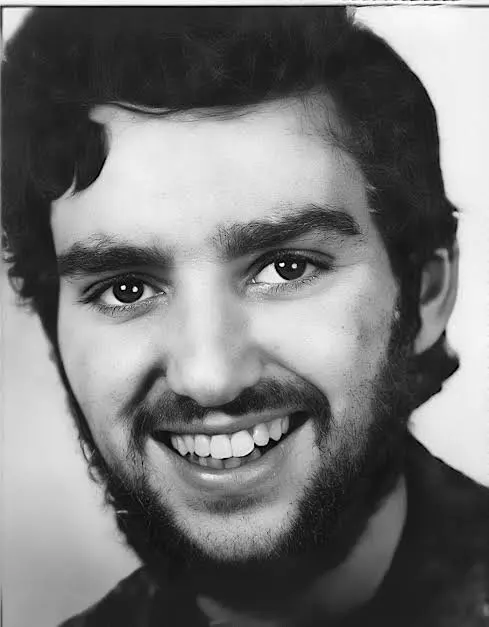
Raymond McCreesh
Third of the 1981 hunger strikers; died after 61 days alongside Patsy O'Hara
1957 – 1981
Ireland
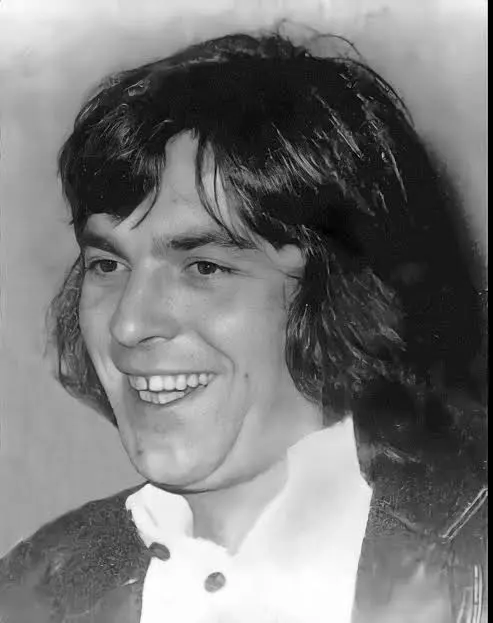
Patsy O'Hara
INLA hunger striker; died on the same day as Raymond McCreesh after 61 days
1957 – 1981
Ireland
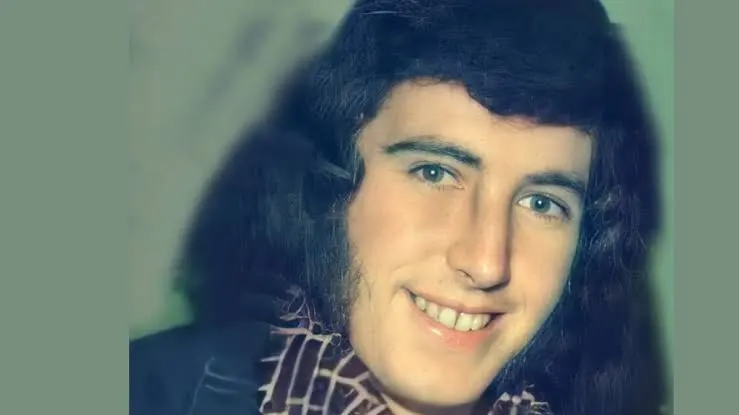
Joe McDonnell
Fifth hunger striker to die in 1981; close friend of Bobby Sands; died after 61 days
1951 – 1981
Ireland
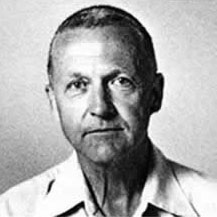
Martin Hurson
Sixth hunger striker to die in 1981; died after 46 days — the shortest fast of the ten
1956 – 1981
Ireland
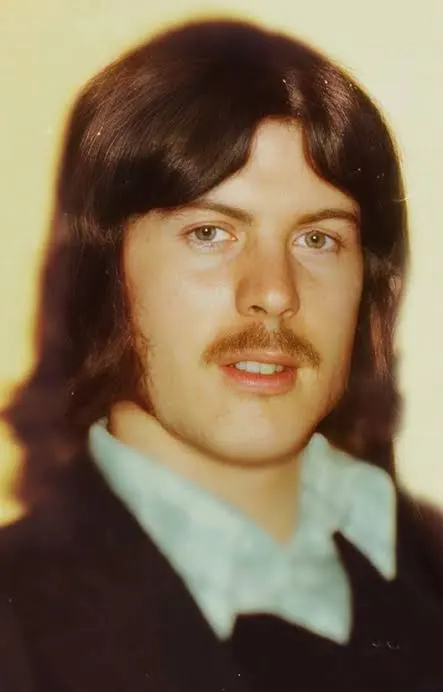
Kevin Lynch
INLA hunger striker; seventh to die in 1981; died after 71 days
1956 – 1981
Ireland
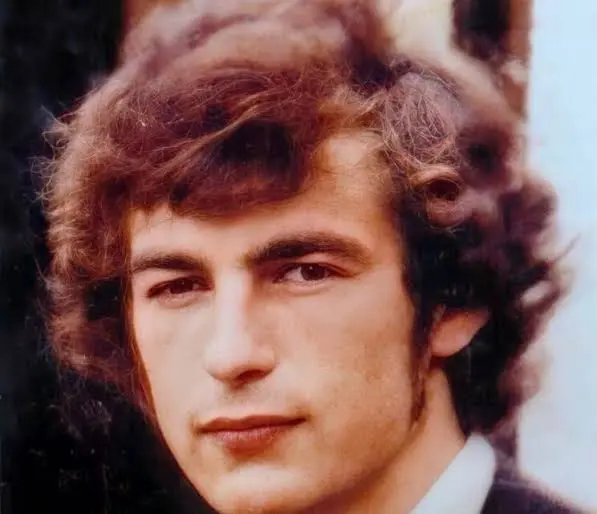
Kieran Doherty
Elected TD for Cavan-Monaghan while on hunger strike; died after 73 days
1955 – 1981
Ireland
Thomas McElwee
Ninth of the 1981 hunger strikers; cousin of Francis Hughes; died after 62 days
1957 – 1981
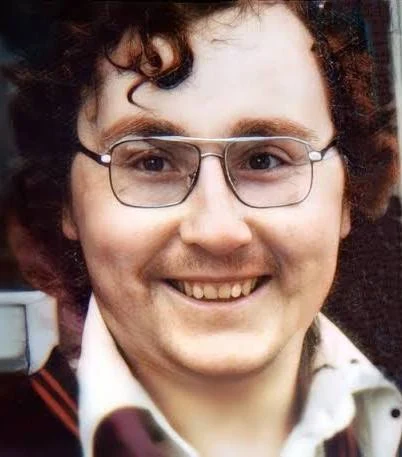
Ireland
Michael Devine
Last of the ten 1981 hunger strikers to die; INLA member; died after 60 days
1954 – 1981