Negritude, the Federal Dream, and Sankara's Revolution
The four countries grouped in this section span the full range of what West African independence meant and what it failed to deliver. Senegal under Senghor developed a philosophical and cultural project — negritude, and alongside it Cheikh Anta Diop's reconstruction of African history — that made the country a centre of pan-African intellectual life even as its political economy remained tightly integrated with France. Guinea under Sékou Touré dramatised the possibility of genuine independence from French tutelage, only to turn that drama into a prolonged nightmare of political repression. Mali under Modibo Keïta attempted the pan-African federal vision that animated the most ambitious independence leaders, and saw it fail within two years. Burkina Faso under Thomas Sankara produced, in four compressed years, the most radical and the most personally compelling attempt to translate revolutionary principle into practical governance of any African leader in the post-independence era — and saw it ended by a bullet in October 1987.
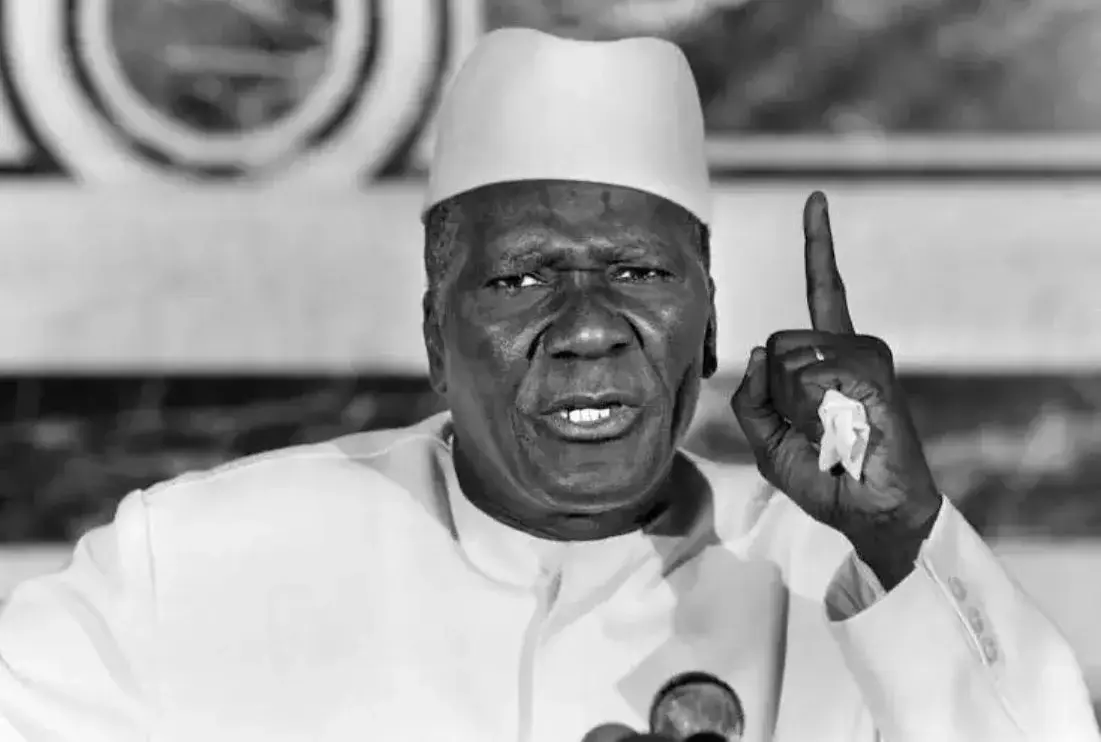
On 25 September 1958, Charles de Gaulle arrived in Conakry to campaign for a "Yes" vote in his referendum on the French Community — a constitutional arrangement that would give France's African territories self-governance within a French-dominated framework. In every other territory in French West and Equatorial Africa, the vote was "Yes." In Guinea, Sékou Touré told de Gaulle to his face: "We prefer freedom in poverty to riches in slavery. We do not renounce, and we shall never renounce, our right to independence." Guinea voted "No" — the only territory in French Africa to do so — and became independent immediately. France's revenge was immediate and comprehensive: French officials stripped the new state of everything they could remove, including the telephones, the medicines, and the files in the government offices. France froze Guinea out of international credit markets and covertly destabilised the Touré government for years. The story of Guinea's independence is thus simultaneously a story of extraordinary courage — Touré's refusal at a moment when refusal cost everything — and of the extraordinary cost that courage exacted. Touré himself, traumatised by the isolation and the coup attempts that followed, descended into paranoia and mass repression, filling his prisons with political opponents whom he tortured and starved to death. He died in 1984, a figure who had once been the most admired man in West Africa and had become one of its most feared tyrants.
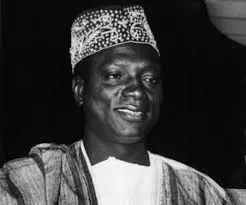
Léopold Sédar Senghor's path was almost the mirror image of Touré's — a man whose cultural radicalism, expressed in the negritude movement he had co-founded with Aimé Césaire in Paris in the 1930s, coexisted with a political pragmatism that kept Senegal inside the French system while giving it genuine stability. Senghor's negritude — the affirmation of African civilisational values against the colonial claim that Africans had no culture worth preserving — was the most important cultural movement of the African diaspora before Black Power, and it shaped the intellectual formation of a generation of African leaders from Nyerere to Nkrumah. His presidency of Senegal from 1960 to 1980 was remarkable for its democratic character — he transferred power voluntarily, the only African leader of his generation to do so — and for the space it gave to intellectual life. What it did not deliver was economic transformation. Cheikh Anta Diop, whose argument that ancient Egypt was a Black African civilisation challenged the entire edifice of European claims to be the inheritors of the classical world, spent his career as a critic of Senghor's political choices while working as a physicist at the Institut Fondamental d'Afrique Noire; his work was simultaneously marginalised and celebrated, and his influence on pan-African thought has only grown since his death in 1986.
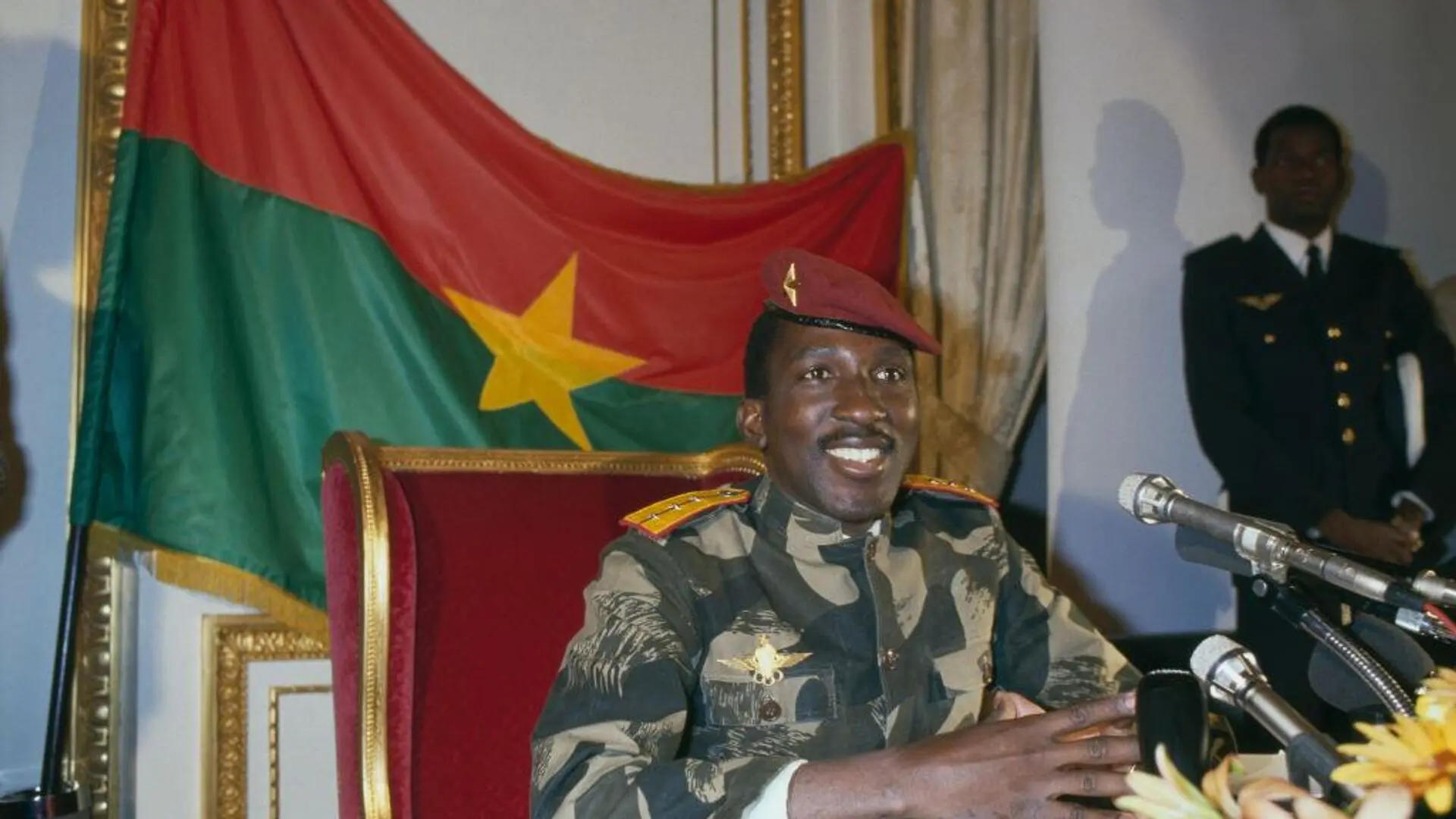
Thomas Sankara arrived at the presidency of Upper Volta — which he renamed Burkina Faso, "Land of the Upright People" — in August 1983 through a coup, but what he built through the four years of his presidency was something qualitatively different from anything that the word "coup" typically suggests. A military captain who had been radicalised by his service in Mauritania and by his reading of Marx, Mao, Cabral, and Che, Sankara launched a programme of popular mobilisation that was genuinely transformative: mass vaccination campaigns that reached 2.5 million children in two weeks; land redistribution that broke the power of the chiefs and gave Burkinabé peasants the land they farmed; a tree-planting campaign that planted ten million trees and reversed desertification; literacy campaigns; the construction of schools and clinics in every village; a women's liberation programme that banned female genital mutilation, polygamy under duress, and child marriage, and brought women into the government and the revolutionary committees. He did all of this while refusing to service the national debt — giving a famous speech to the OAU in which he argued that African debt was a neo-colonial instrument — and while wearing homespun cotton rather than imported suits to lead by example on self-sufficiency. On 15 October 1987, he was shot dead in a coup organised by Blaise Compaoré, his closest friend and comrade since military school. Sankara was thirty-seven years old. Compaoré, who governed Burkina Faso for the next twenty-seven years in close alliance with France and with the regional powers that Sankara had offended, fled the country in 2014 when a popular uprising drove him out. In 2022, a Burkinabé military court convicted Compaoré of Sankara's murder in absentia. He remains in exile in Côte d'Ivoire.