French West Africa's Independence — Negotiation, Compromise, and the Price of Freedom
The independence of francophone West Africa's smaller nations — Côte d'Ivoire, Togo, Dahomey (now Benin), and Niger — unfolded differently from the armed struggles of Algeria or Angola. France's West African territories achieved formal sovereignty in 1960, not through guerrilla warfare, but through a combination of political organisation within the French constitutional framework, mass mobilisation, the terminal exhaustion of the Fourth Republic, and — above all — the extraordinary political skill of a generation of African leaders who understood the French system well enough to use it against itself. The result was independence, but independence of a particular kind: negotiated, incomplete, and enmeshed from the start in the economic and military arrangements that critics called Françafrique.
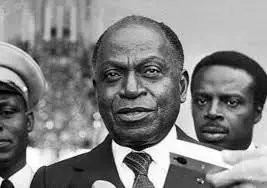
The central figure of francophone African politics in this period was Félix Houphouët-Boigny of Côte d'Ivoire — a medical doctor, cocoa planter, and politician of extraordinary tactical intelligence who founded the Rassemblement Démocratique Africain (RDA) in 1946 as the first truly pan-African political party in French West Africa. Houphouët-Boigny's trajectory encapsulates the contradictions of the era. He began as a radical: the RDA was affiliated with the French Communist Party, and its founding congress in Bamako brought together delegates from across French West and Equatorial Africa in an atmosphere of genuine revolutionary possibility. He ended as the most conservative and pro-French of Africa's independence leaders — a man who maintained closer relations with Paris than many of his counterparts, presided over Côte d'Ivoire's "economic miracle" of the 1960s and 1970s, and became the indispensable figure of the Françafrique network. The journey between those two points tells the story of what French West Africa's independence cost and what it delivered.
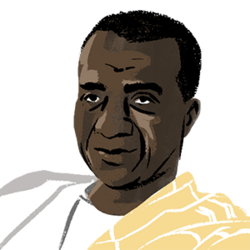
Togo's independence took a different and more tragic form. Sylvanus Olympio was everything Houphouët-Boigny eventually was not: a rigorous economist trained in Britain and Austria, a committed pan-Africanist who genuinely believed in African economic self-sufficiency, and a leader who from the day of independence on 27 April 1960 tried to pursue monetary and economic policies independent of France. He refused to join the CFA franc zone on terms he considered unfavourable, explored alternative trading partnerships, and kept Togo's military small and underfunded — rejecting the incorporation into the French military system that other leaders accepted. On 13 January 1963, a group of Togolese soldiers trained by France, led by Sergeant Gnassingbé Eyadéma, stormed the presidential residence. Olympio was shot dead outside the American embassy where he had sought refuge. He was sixty years old and had been president for less than three years. His assassination — the first military coup in independent sub-Saharan Africa — established a pattern that would repeat across the continent for the next three decades.
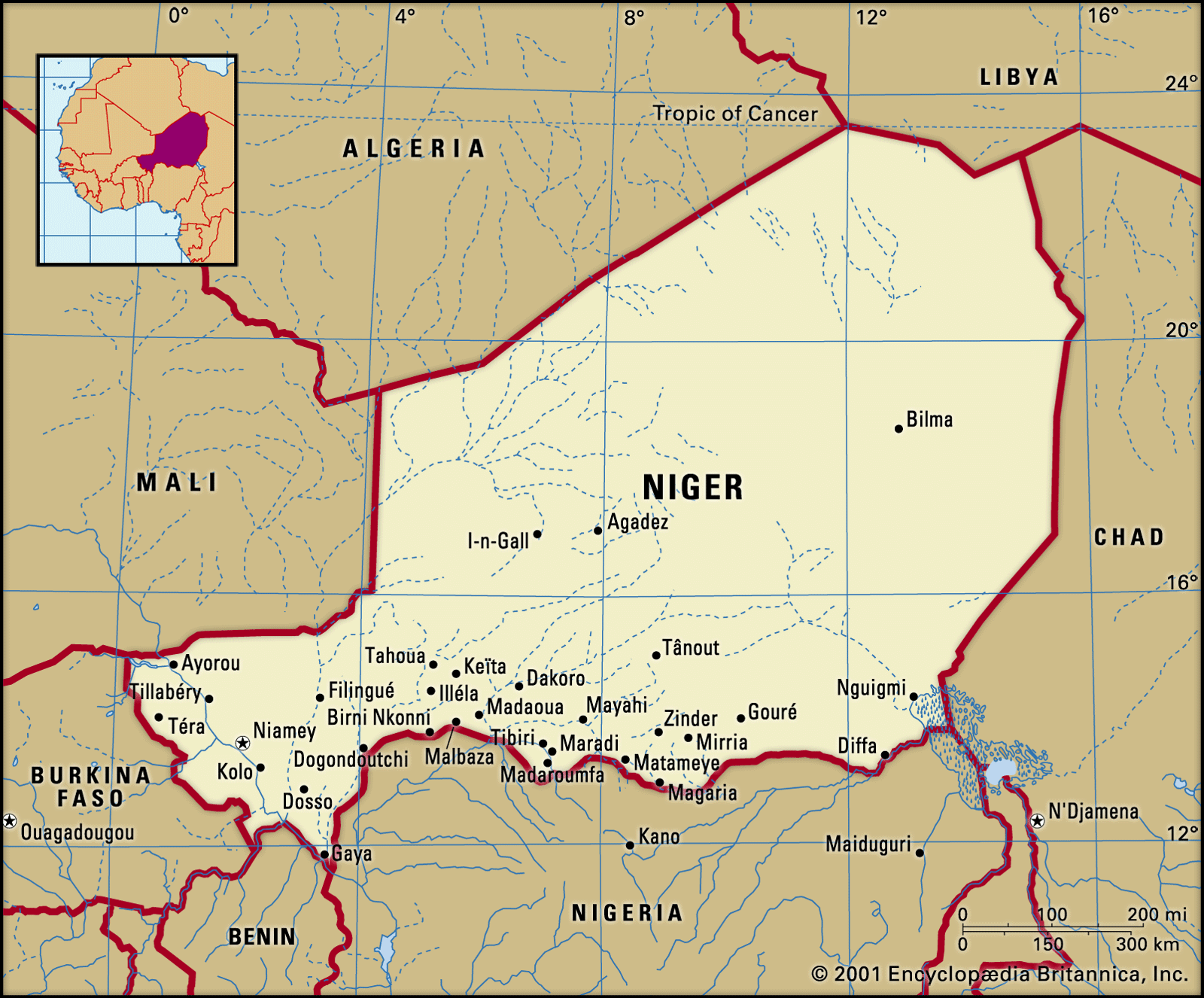
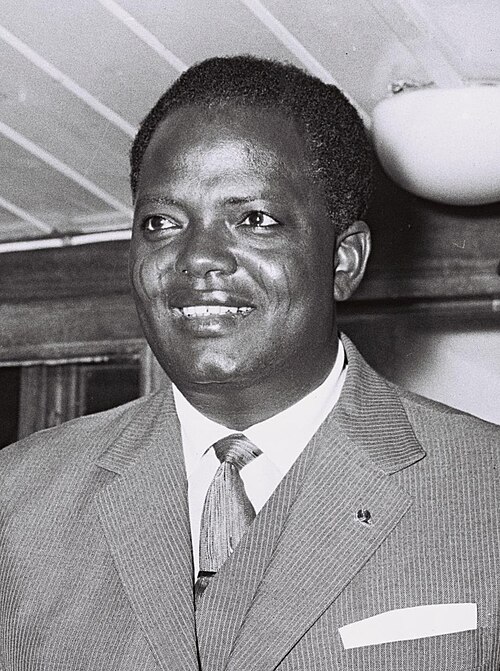
Niger's independence was shaped by the confrontation between two figures of very different temperaments: Djibo Bakary, the radical trade unionist who led Niger to cast the only "No" vote in French West Africa in de Gaulle's 1958 referendum on the French Community — a vote for full independence rather than autonomous membership — and Hamani Diori, the more cautious politician who replaced him after France essentially engineered Bakary's removal and Niger's reversal into a "Yes." Bakary's willingness to defy France at the critical moment, and his subsequent decades of exile and imprisonment, made him the moral conscience of Nigerien independence politics even as Diori ran the country under close French oversight. Bakary had learned his politics in the trade union movement — the CGT-affiliated unions that were among the most important organisational structures of the independence era across French Africa — and his instinct was always to push further and faster than the political traffic would bear. France ensured he never had the chance to test how far his push could reach.
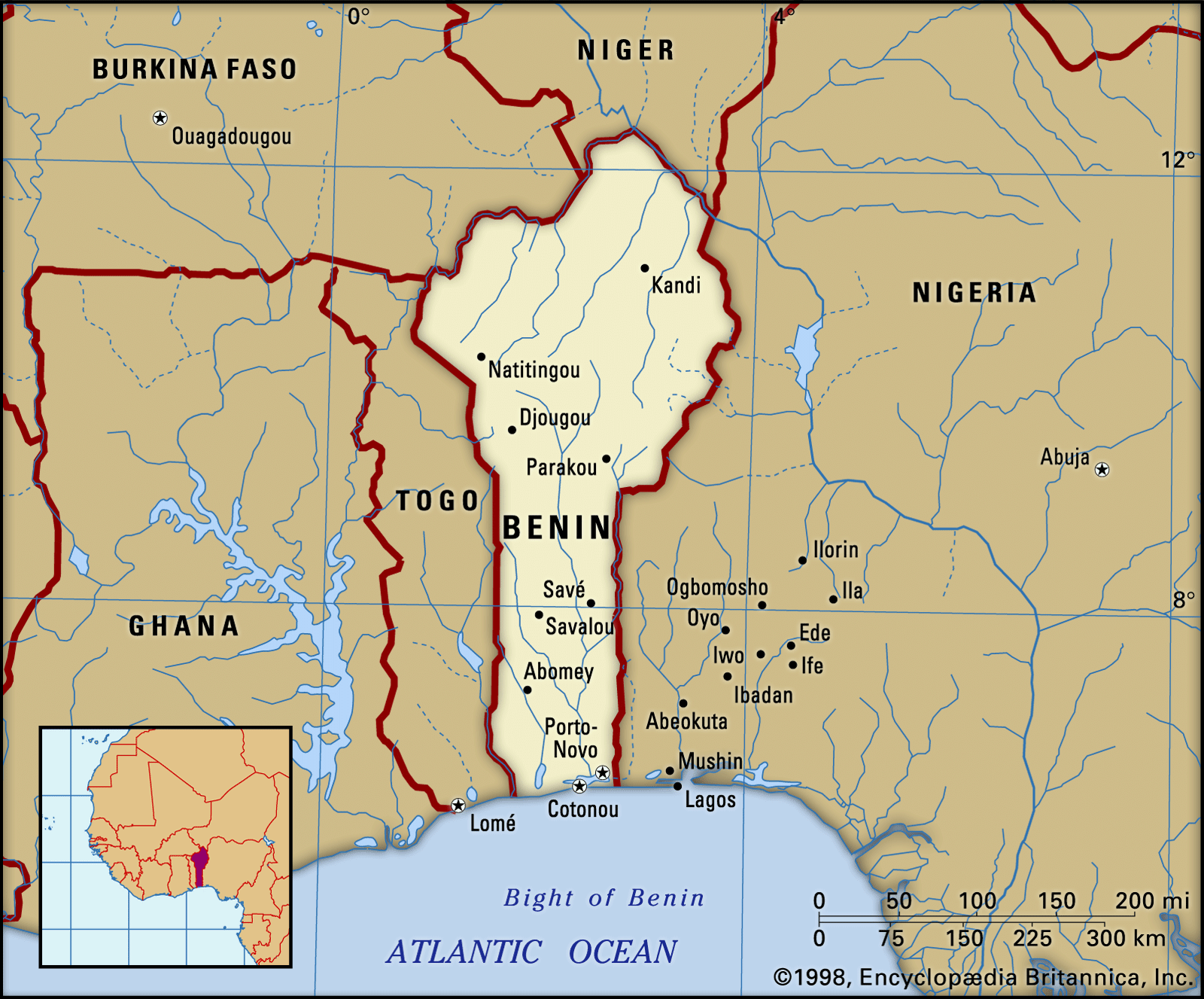
Dahomey — renamed Benin in 1975 — produced a peculiarly unstable independence politics shaped by the deep regional, ethnic, and personal divisions among its three main political leaders: Hubert Maga of the north, Sourou Migan Apithy of the south-east, and Justin Ahomadégbé of the south-west. Unable to agree on governance, and with each faction backed by different constituencies, Dahomey cycled through six coups in the first twelve years of independence, eventually settling on a unique "Presidential Council" in which the three rivals rotated the presidency on a fixed schedule. The arrangement lasted until 1972, when a young military officer named Mathieu Kérékou seized power and declared a Marxist-Leninist state. Dahomey's instability was partly a product of the colonial boundaries that lumped incompatible regional interests into a single state, and partly of France's willingness to back whichever faction seemed most amenable to French interests at any given moment.
Across all four countries, the independence settlement of 1960 reflected the fundamental tension at the heart of francophone decolonisation: France was willing to grant political sovereignty but not economic independence. The CFA franc, tied to the French franc and later the euro, kept francophone African economies within a monetary system controlled by Paris. French military bases, bilateral defence agreements, and the network of French advisers embedded in African governments preserved French influence long after the flags were raised. The leaders who accepted these terms — and most did, because the alternative was Olympio's fate or Bakary's exile — delivered political independence to their people while remaining constrained in the economic and security spheres that determined what independence could actually mean. Understanding their choices requires understanding the limits within which they operated, and the costs of operating outside them.