Uganda — The Fragile Independence and the Long Road Back
Uganda's independence was poisoned at its roots by the constitutional arrangements Britain devised to manage the tension between Buganda — the largest, wealthiest, and most politically sophisticated of Uganda's kingdoms, whose Kabaka had been the dominant power in the region since the nineteenth century — and the rest of the country. The Buganda Agreement of 1900 had given the kingdom a semi-autonomous status within the protectorate, and when independence approached, Buganda's political establishment demanded either a federal arrangement that would preserve its autonomy or outright independence for Buganda alone. The British solution — a constitution that gave Buganda federal status within a unitary Uganda, with the Kabaka serving as a ceremonial president — satisfied no one completely and created a political system in which the fundamental question of whether Uganda was a federation or a unitary state remained unanswered and in which the personal conflict between Kabaka Edward Mutesa II and Prime Minister Milton Obote was written into the constitutional structure from the first day of independence.
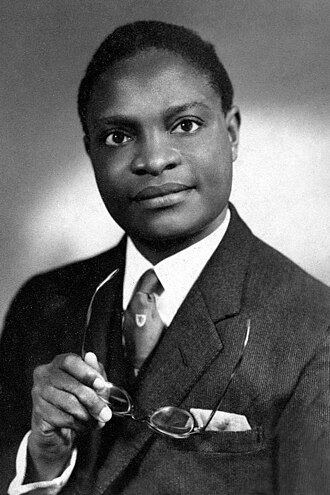
The man who arrived first at the Ugandan nationalist stage was not Obote but Ignatius Musaazi — a Ganda teacher and farmers' organiser who founded the Uganda African Farmers Union in 1947 and the Uganda National Congress in 1952, the first explicitly nationalist political party in Uganda's history. Musaazi's nationalism was pan-Ugandan rather than Buganda-specific, and the UNC's programme — self-government, African advancement, an end to the racial and economic privileges of the Asian and European communities — anticipated the main themes of the independence politics that followed. Musaazi was eventually outmanoeuvred by younger, more professionally trained politicians, but his priority in founding Uganda's nationalist movement is not in dispute. Benedicto Kiwanuka, a Catholic lawyer who founded the Democratic Party in 1954, became Uganda's first Prime Minister when the DP won the pre-independence elections of 1961 — a brief tenure before the UNC-Kabaka Yekka coalition swept the 1962 elections and Obote took over. Kiwanuka spent years in Obote's prisons and was eventually abducted from the High Court in Kampala by Amin's secret police in September 1972. He was never seen again.
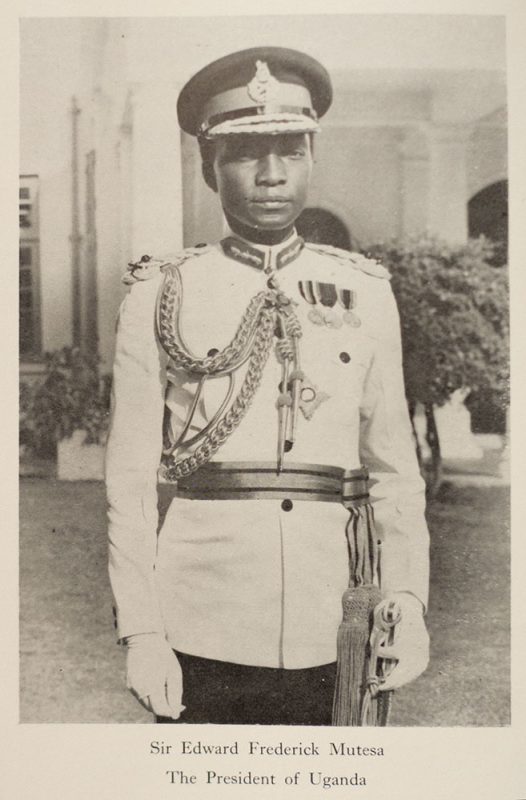
Edward Mutesa II — "King Freddie," the Kabaka of Buganda — was one of the most complex figures in East African independence politics: simultaneously a traditional monarch whose legitimacy rested on a lineage stretching back centuries, a Cambridge-educated man of considerable personal sophistication, and a politician whose primary commitment was always to Buganda's autonomy rather than to Uganda's nationhood. The British had deported him to Britain in 1953 when he refused to cooperate with their plans for an East African federation; his return in 1955 after negotiations that preserved Buganda's autonomy made him a popular hero. As Uganda's first president from 1963, he was constitutionally constrained but politically active. In April 1966, Obote suspended the constitution, abolished the kingdoms, and sent army units commanded by Idi Amin to attack the Kabaka's palace at Mengo. Mutesa escaped over the palace wall and fled into exile. He died in a flat in London in November 1969 in circumstances that were ruled alcohol poisoning but which many Ugandans have always suspected involved foul play. He was forty-five years old.
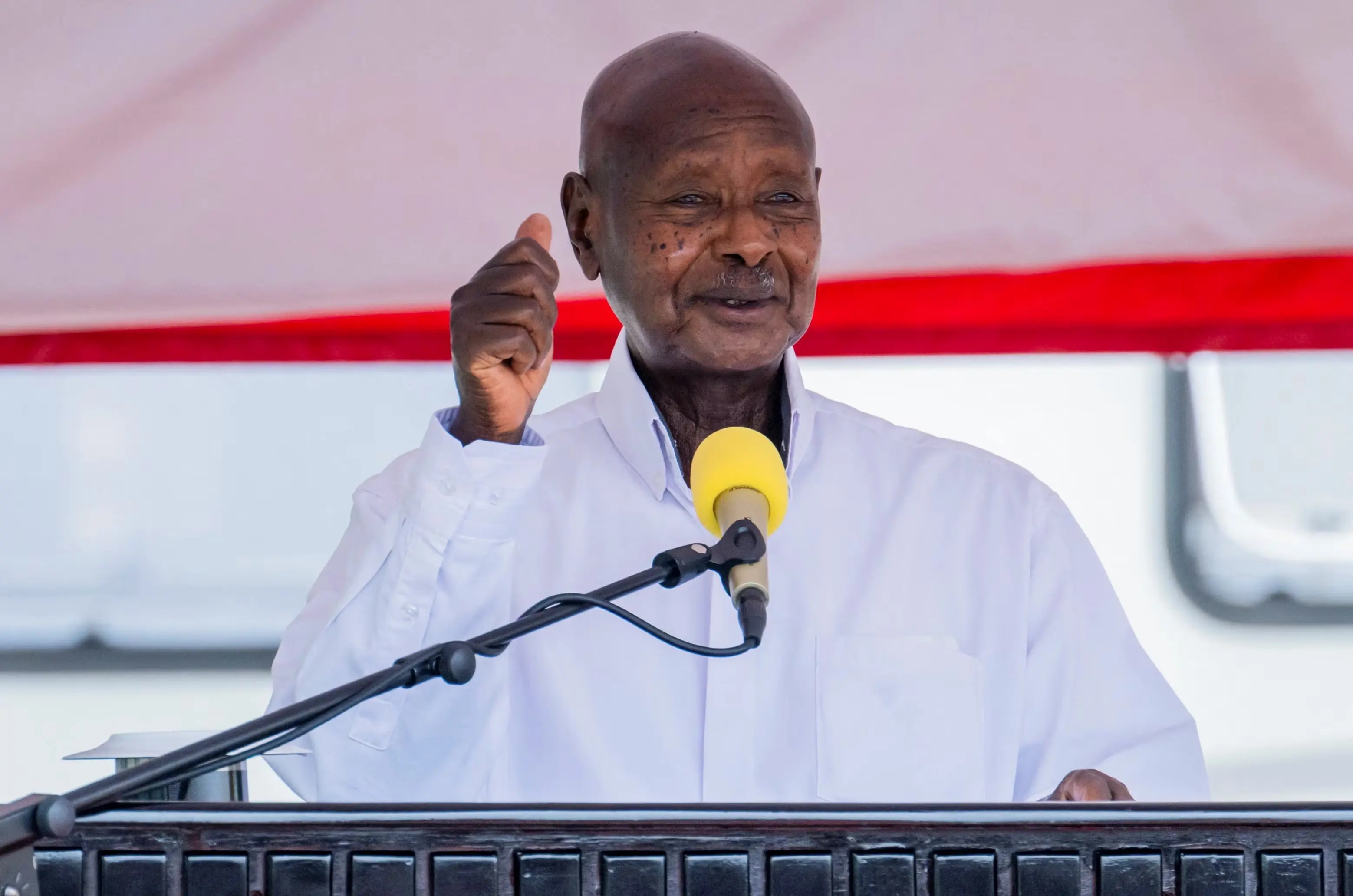
The decades that followed Ugandan independence were among the most catastrophic in African history. Amin's regime from 1971 to 1979 killed between 100,000 and 500,000 Ugandans; Obote's second government from 1980 to 1985 killed a comparable number in the Luwero Triangle counter-insurgency campaign against Museveni's National Resistance Army. Museveni — a Banyankole from western Uganda who had been radicalised at the University of Dar es Salaam by Nyerere's pan-Africanism and Cabral's liberation theory, and who had fought in the Front for the Liberation of Mozambique before returning to Uganda — launched his guerrilla campaign in February 1981 with 27 fighters. He entered Kampala with a trained army of 14,000 in January 1986. The state he built in the following decades — more stable, more economically dynamic, and less violent than anything Uganda had known since independence — also became, as Museveni's power consolidated and his willingness to leave declined, increasingly authoritarian. Uganda's independence story is not resolved; it continues.