Essential Profiles
The Caribbean produced thinkers and organisers whose influence far exceeded the size of the islands and territories they came from. Frantz Fanon from Martinique wrote the bible of Third World liberation theory while dying of leukaemia at thirty-six in Tunisia. Walter Rodney from Guyana wrote the definitive account of how colonialism destroyed African economies, was banned from Jamaica for teaching history to the poor, and was assassinated at thirty-eight by a car bomb. Maurice Bishop built free healthcare and literacy programmes in Grenada and was executed by a faction of his own party before the United States used his death as a pretext to invade. Aimé Césaire invented Négritude — the cultural and political affirmation of African identity against colonial dehumanisation — while serving for fifty-six years as Mayor of Fort-de-France. These are not footnotes. They are the main story.
Aimé Césaire and Léon-Gontran Damas, alongside Léopold Sédar Senghor of Senegal, founded Négritude in Paris in the 1930s — a literary and intellectual movement that asserted the value of African culture and identity against colonial assimilation. Their work gave a generation of African and Caribbean intellectuals a language to articulate what colonialism had done to them, and what they refused to lose. Frantz Fanon later offered a devastating critique of Négritude's limits while building on its foundation.
British Guiana became one of the most explicit examples of Cold War colonial manipulation. Cheddi Jagan was elected Premier in 1953 with a clear democratic mandate. Britain, at U.S. insistence, suspended the constitution and removed him after 133 days. The CIA then spent a decade funding Forbes Burnham to split the PPP along racial lines and deny Jagan power. Burnham's eventual rule was authoritarian and economically disastrous — a pattern that would become familiar across the decolonising world.
Maurice Bishop's New Jewel Movement seized power in a bloodless coup in 1979. His government built roads, launched a literacy programme that brought adult illiteracy from 35% to near zero, established free secondary education and healthcare, and began construction of an international airport. In October 1983 he was arrested by a hard-line faction of his own party led by Bernard Coard, freed by a crowd, and then executed along with Unison Whiteman, Jacqueline Creft, and others. The U.S. invaded six days later.
The Caribbean's smaller territories — Martinique, Guadeloupe, French Guiana, Guyana, Grenada, Antigua — produced an extraordinary concentration of radical intellectual and political talent in the twentieth century. The reason is partly structural: colonialism in the Caribbean was unusually naked, unusually close, unusually visible in its workings. The plantation economy, the legacy of the slave trade, the colour hierarchies of colonial society, the contempt of the metropole for its periphery — all of this was legible to anyone paying attention. And the men and women profiled here were all paying very close attention.
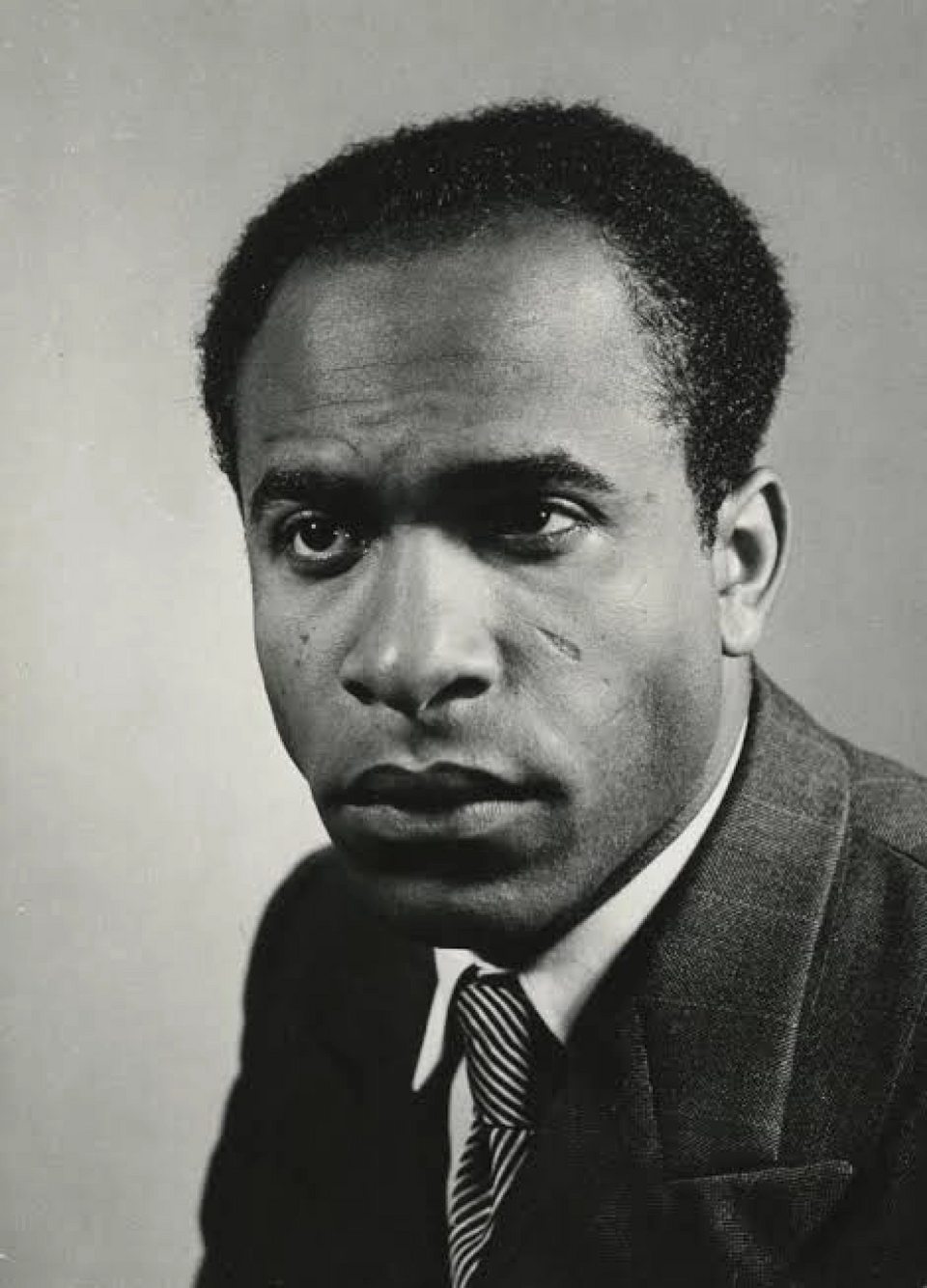
Frantz Fanon was born in Fort-de-France, Martinique in 1925. He fought for Free France in the Second World War, trained as a psychiatrist in Lyon, and was posted to the Blida-Joinville Hospital in Algeria in 1953 — where he was simultaneously treating the psychological trauma of Algerians tortured by French forces and treating the French soldiers who had tortured them. He joined the Algerian National Liberation Front in 1956, worked as its ambassador and propagandist, and wrote The Wretched of the Earth — his analysis of colonialism's psychological violence and his defence of anti-colonial violence as a necessary part of decolonisation — while dying of leukaemia in Rome and Washington. He was thirty-six years old when it was published in December 1961. He died the same month. The Wretched of the Earth was read by the Black Power movement in the United States, by anti-apartheid activists in South Africa, by Palestinian liberation fighters, by anti-colonial movements across Africa and Asia. It remains the most influential work of political theory to emerge from the Caribbean.
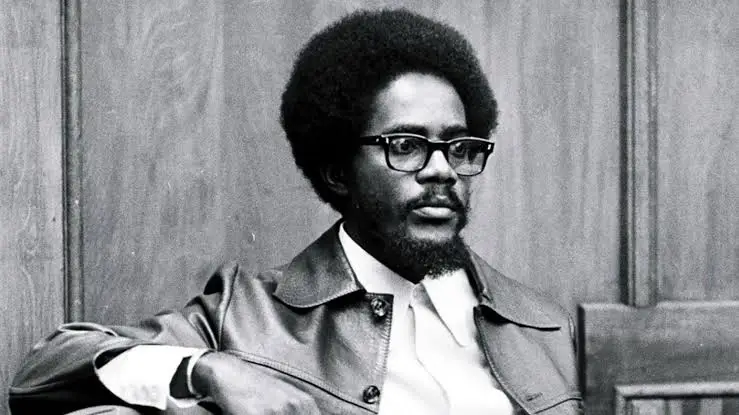
Walter Rodney was born in Georgetown, British Guiana in 1942, earned his PhD from the School of Oriental and African Studies in London at twenty-four, taught at the University of Dar es Salaam in Tanzania, and was banned from returning to Jamaica in 1968 after teaching Black history — the "Rodney Riots" that followed his expulsion from Jamaica brought Kingston to a standstill. How Europe Underdeveloped Africa, published in 1972, demonstrated with meticulous historical and economic analysis that African underdevelopment was not a natural condition but the deliberate consequence of centuries of slave trading and colonial extraction. He returned to Guyana in 1974 and co-founded the Working People's Alliance — a multi-racial opposition to Forbes Burnham's increasingly authoritarian government. On 13 June 1980, a bomb hidden in a walkie-talkie was detonated as Rodney sat in a car. He was thirty-eight years old. The Guyanese government was widely believed to be responsible. No one was ever charged.
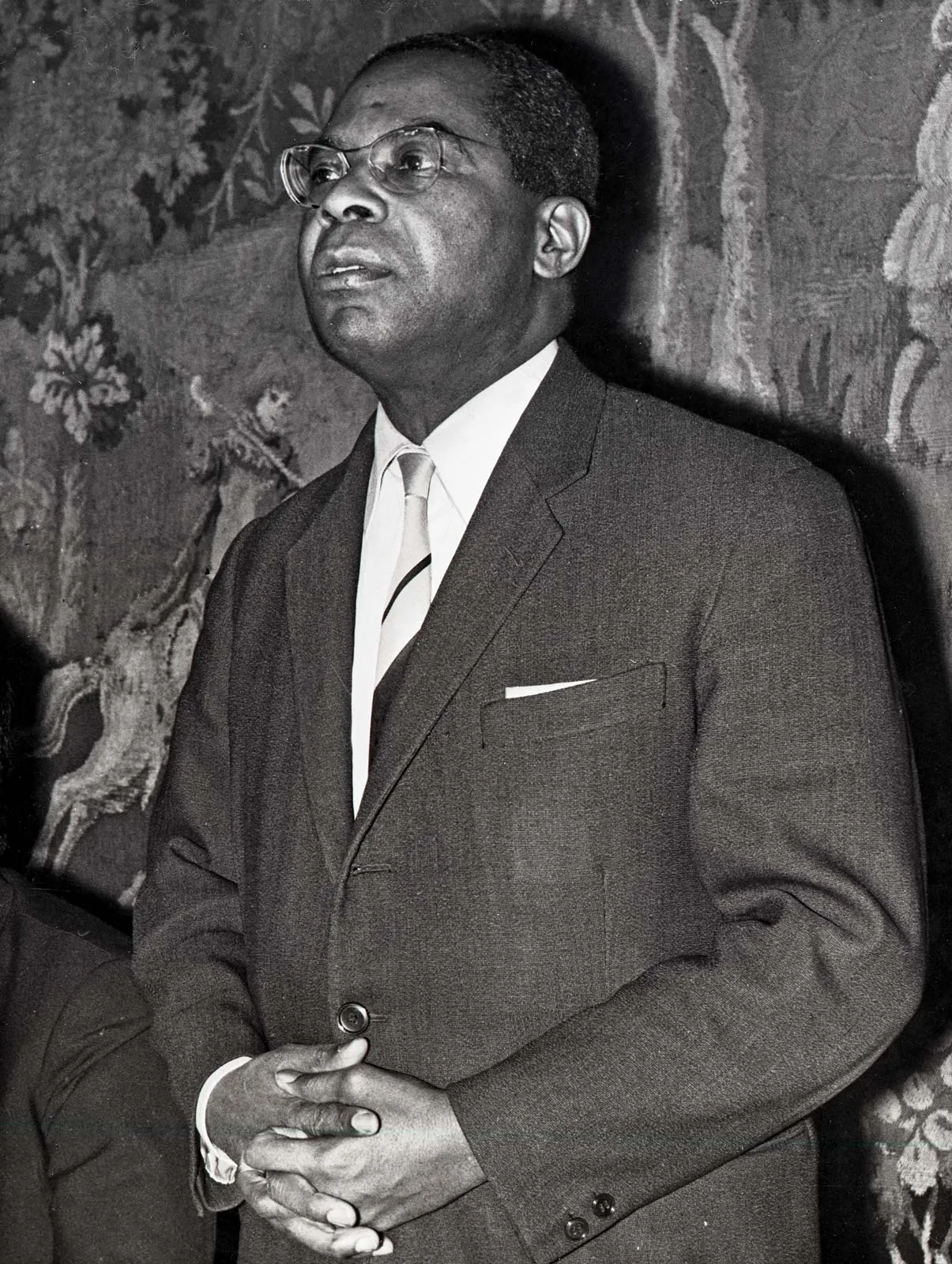
Aimé Césaire was born in Basse-Pointe, Martinique in 1913. He went to Paris on a scholarship, met Léopold Sédar Senghor of Senegal, and together they founded Négritude — the literary and philosophical movement that insisted on the value and beauty of African culture against the colonial doctrine that European civilisation was the only civilisation worth having. His long poem Notebook of a Return to the Native Land, begun in 1935 and published in 1939, is the masterwork of Caribbean poetry — a journey through colonial shame toward recovered dignity, written in a surrealist French that refuses the aesthetic colonialism of Standard Metropolitan syntax. His Discourse on Colonialism, published in 1950, prefigured Fanon's arguments by a decade and remains one of the most withering analyses of European hypocrisy ever written. Césaire was also a politician: he served as Mayor of Fort-de-France from 1945 to 2001 — fifty-six years — building schools, hospitals, and cultural institutions, and serving simultaneously as a deputy to the French National Assembly. He died in 2008, aged ninety-four, the last of the great Négritude founders.
Maurice Bishop's New Jewel Movement took power in Grenada in March 1979, in a bloodless coup against the corrupt and erratic Eric Gairy. Bishop's government was one of the most genuinely popular in Caribbean history: it launched a mass literacy programme that reduced adult illiteracy from 35% to near zero within two years, established free secondary education, built a national health service, and began construction of an international airport — a project that the United States, seeing in it a potential Cuban military base, was determined to stop. Bishop himself was a magnetic speaker and a charismatic leader who maintained genuine popular support through four years of government. He was overthrown in October 1983 by a hard-line faction of his own party led by Deputy Prime Minister Bernard Coard, who believed Bishop was insufficiently Leninist. Bishop was placed under house arrest, freed by a crowd of supporters, and escorted to Fort Rupert. Coard's forces arrived, fired into the crowd, and executed Bishop, Unison Whiteman, Jacqueline Creft — who was pregnant — and several others. Six days later, Ronald Reagan ordered the invasion of Grenada. It was, he said, to protect American medical students. The airport was completed by the new American-backed government and named after Maurice Bishop.
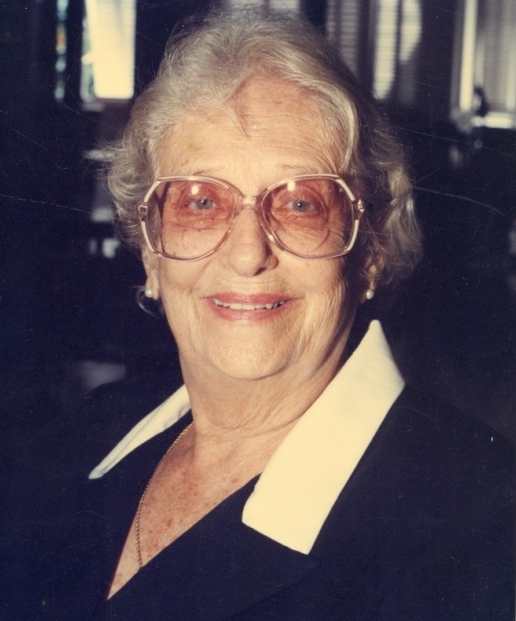
Cheddi Jagan may be the clearest case in the Caribbean of Western democracy's failure to apply its own principles consistently. An Indo-Guyanese dentist who co-founded the People's Progressive Party with his American wife Janet Jagan, he won the 1953 elections in British Guiana with a clear majority. Britain, alarmed by his socialist programme and at the insistence of the United States, suspended the constitution after 133 days, sent warships, and removed him from power. He won again in 1957 and 1961. The CIA then funded Forbes Burnham's faction of the independence movement, organised strikes and civil unrest, and ensured that by the time British Guiana became independent Guyana in 1966, Burnham — more amenable to Western interests — was in power. Jagan waited thirty years. He was finally elected President in 1992, at the age of seventy-four, and served until his death in 1997. Janet Jagan succeeded him as President. The country they had spent their lives building had been sabotaged for decades by the democracies that claimed to champion democracy.
Choose which cookies you're happy for us to use. You can change this at any time from the "Cookie Settings" link in the footer.