Tunisia's Independence — Bourguiba, the Red Hand, and the Youssefist Split
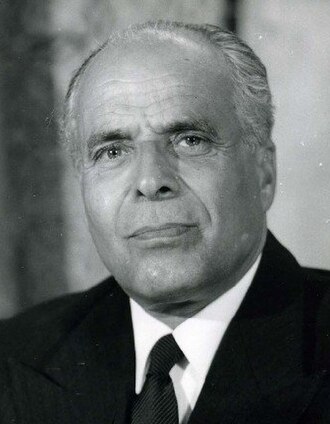
Tunisia's path to independence was shaped by one of the most sophisticated nationalist organisations in North Africa and by a fundamental dispute about what kind of independence was worth having. The Neo-Destour Party, founded in 1934 by Habib Bourguiba and a group of French-educated Tunisian lawyers and intellectuals who had broken from the older, more traditional Destour party, built a genuinely mass political organisation in the following two decades — with cells in every town and village, a women's section, a youth wing, and an alliance with the trade union movement that gave it a social base extending far beyond the educated classes. Bourguiba himself was imprisoned by the French multiple times, each imprisonment adding to his political stature. The French Residency's attempts to break the movement — banning the Neo-Destour, arresting its leadership, deporting Bourguiba to isolated locations across the Mediterranean — consistently failed, because the organisation's structures were robust enough to survive the removal of any individual, including its founder.
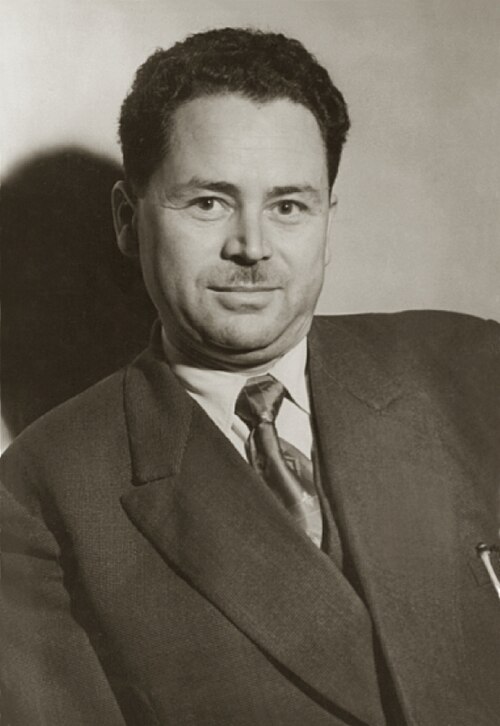
Farhat Hached built the other pillar of the independence movement. A self-educated worker from a modest background in the Sahel region — quite different in social origin from the bourgeois lawyers of the Neo-Destour — Hached organised Tunisia's first independent trade union, the Union Générale Tunisienne du Travail, in 1944, breaking from the French CGT and building a labour movement that was simultaneously committed to workers' rights and to Tunisian national liberation. The UGTT's affiliation with the International Confederation of Free Trade Unions gave it international connections; its roots in the Tunisian working class gave it a mass base that complemented the Neo-Destour's. Hached was a figure of international stature — he had addressed the United Nations, built relationships with trade union movements across Africa and Europe, and was widely regarded as indispensable to the independence movement's social breadth. On 5 December 1952, his car was intercepted on the road between Tunis and La Marsa and he was shot dead by gunmen from the Red Hand — a French settler terror organisation that operated with the knowledge and probable support of elements within the French colonial administration. He was thirty-eight years old. His murder united Tunisian opinion in grief and fury, and accelerated the international pressure on France to negotiate.
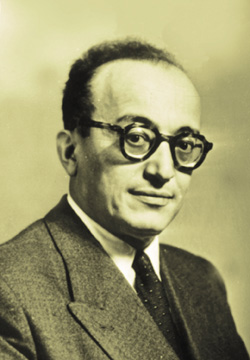
The political fault line that shaped post-independence Tunisia had already opened before independence was achieved. Salah Ben Youssef — the Neo-Destour's secretary-general and Bourguiba's most important political partner since the 1930s — broke with Bourguiba in 1955 over the autonomy agreements that Bourguiba had negotiated with France. Where Bourguiba argued that internal autonomy was a step toward full independence, Ben Youssef insisted that it was a capitulation — that Tunisia should demand full independence immediately, as Morocco and Algeria were demanding, and that the movement's cause should be framed within pan-Arab nationalism and solidarity with the Algerian war of liberation rather than Bourguiba's Tunisian-specific programme. The split divided the Neo-Destour, produced episodes of political violence between the two factions, and ended with Ben Youssef's expulsion from the party and flight into exile — first to Egypt, then Libya. Full independence came on 20 March 1956, vindicating Bourguiba's step-by-step approach in the short term. But Ben Youssef continued to organise from exile, and on 12 August 1961 he was shot dead in his room at the Hotel am Schiller in Frankfurt by assassins almost certainly dispatched by the Tunisian government. He was fifty-four years old. Whether Bourguiba personally ordered the assassination has never been established; that the Tunisian state was responsible has never seriously been disputed.
Independent Tunisia under Bourguiba was a genuinely modernising state — one-party and authoritarian in its political structure, but committed to women's rights in ways that were extraordinary for the Arab world of 1956: the Personal Status Code abolished polygamy, gave women the right to divorce, set a minimum marriage age, and required consent for marriage. Bourguiba personally campaigned against the veil, calling it a "miserable rag." The education system was rapidly expanded, the economy diversified, and Tunisian diplomacy — largely the work of Mongi Slim, whose election as president of the UN General Assembly in 1961 marked Tunisia's emergence as an internationally respected small state — built a position of considerable influence. The democratic promise implicit in the independence movement was not fulfilled: the Neo-Destour became a single-party state, opposition was suppressed, and Bourguiba himself became progressively more autocratic and erratic as he aged, declaring himself president for life in 1975, until Zine El Abidine Ben Ali removed him in a bloodless coup in 1987, citing senility. Ben Ali's own authoritarian government lasted until the Jasmine Revolution of 2010–2011 — the opening act of the Arab Spring — drove him from power and opened the democratic transition whose ultimate stability the independence generation's legacy had both prepared and constrained.