Sudan — The Mahdi, the Communists, and the Long War for the South
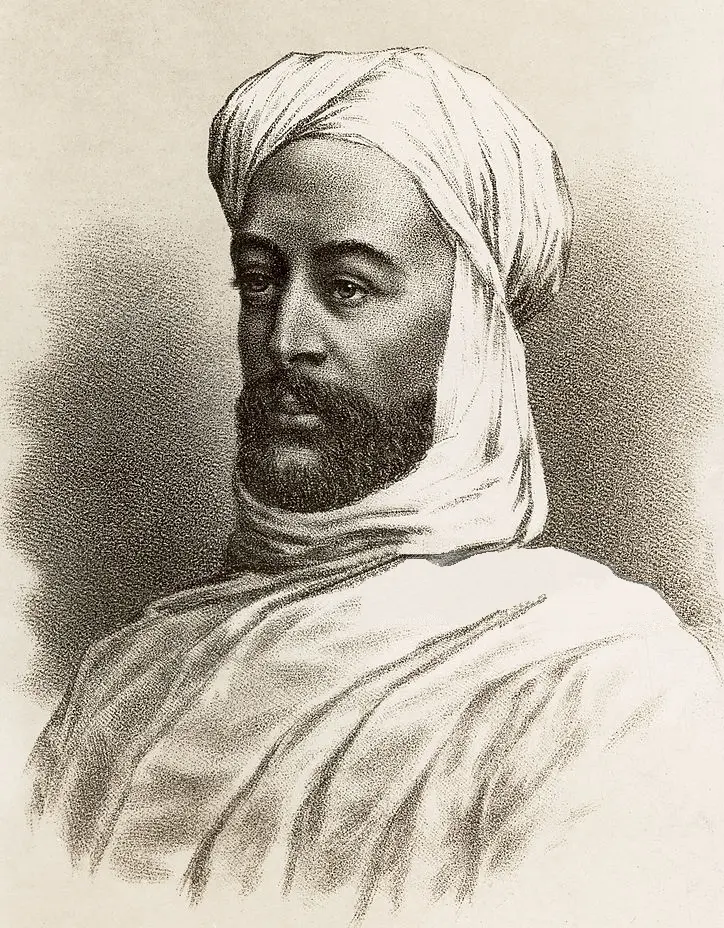
Sudan's history of resistance encompasses some of the most dramatic and consequential episodes in African and Arab history. The Mahdist revolution of the 1880s was one of the most successful anti-colonial uprisings of the nineteenth century — a movement that destroyed Egyptian and British military power in the Sudan, killed General Charles Gordon at Khartoum in 1885 in an event that shocked Victorian Britain and generated enormous political controversy, and established an independent Islamic state that held for fourteen years until the Battle of Omdurman in 1898, when Kitchener's machine guns and superior logistics ended the Mahdist state in a day. Muhammad Ahmad, who declared himself the Expected Mahdi — the Islamic messianic figure prophesied to restore justice and prepare for the end times — in June 1881, died of typhus just five months after capturing Khartoum. His successor, the Khalifa Abdallahi, governed the Mahdist state for the thirteen years that followed. The movement they built drew its strength from popular resentment of Egyptian taxation, Turco-Egyptian administrative exploitation, and the slave trade — Sudan's governor-general had been using British and European officers to suppress the trade, which had the paradoxical effect of destabilising the Sudanese economy and fuelling support for a revolution that initially appeared to defend traditional arrangements against foreign interference.
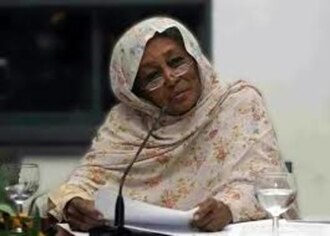
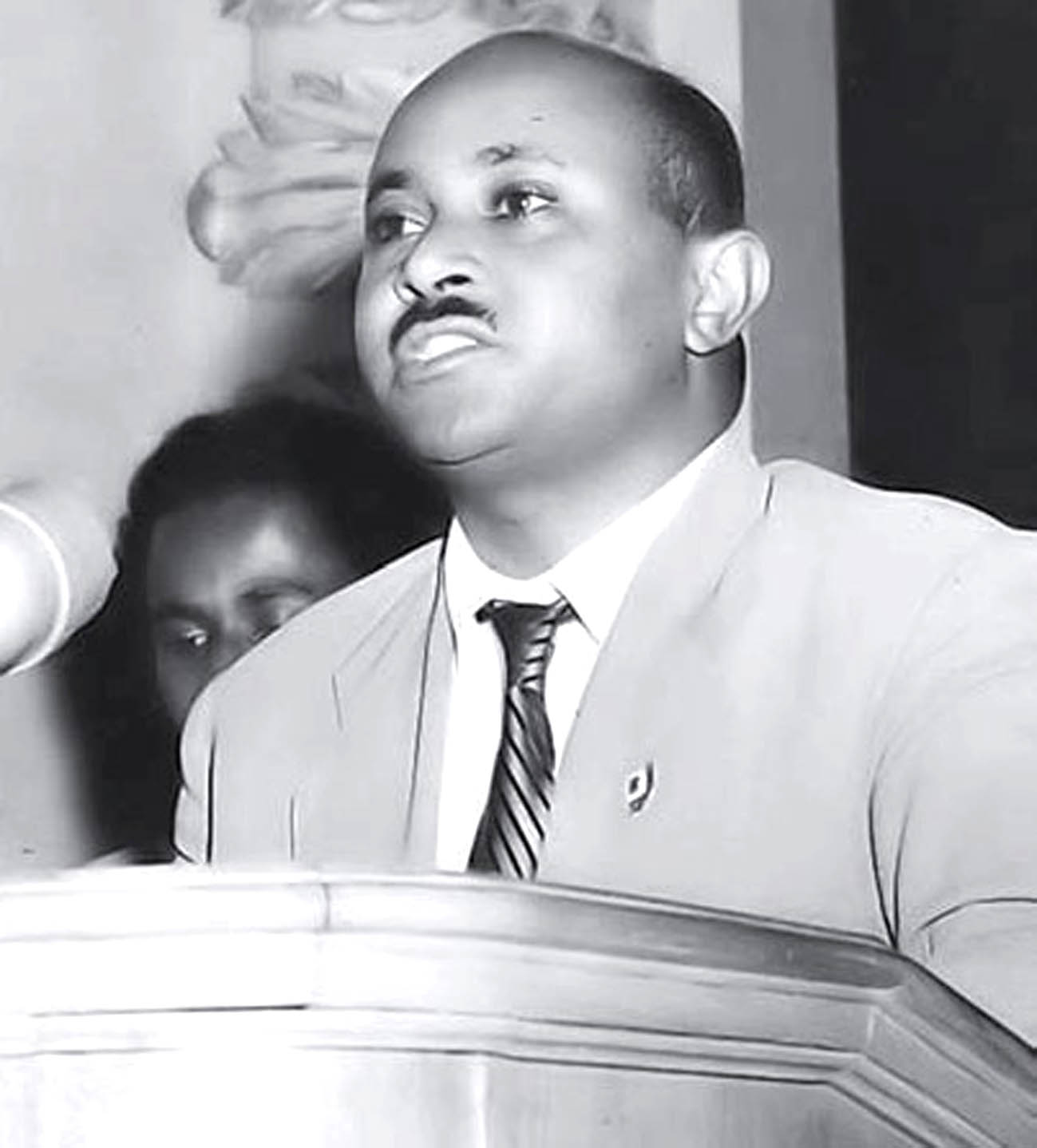
Modern Sudanese politics was shaped above all by the Sudanese Communist Party — the largest and best-organised communist party in Africa at its peak in the 1960s — and by the charismatic secretary-general who built it, Abdel Khaliq Mahjoub. A Sudanese intellectual who had been educated in Egypt and been radicalized by the 1948 Arab-Israeli war and the Egyptian revolution of 1952, Mahjoub built the SCP into a mass organisation with deep roots in the Sudanese trade union movement, the professional associations, the student organisations, and the armed forces. His wife Fatima Ahmed Ibrahim, who ran the Sudanese Women's Union with comparable organisational skill, became in 1965 the first woman elected to an Arab parliament — an achievement that testified to the SCP's genuine commitment to women's equality at a time when such commitment was exceptional in the Arab and African worlds. The communist movement's strength made it a target for every government that sought to monopolise power: Gaafar Nimeiry, who had staged a coup in 1969 with communist support, turned on the SCP after a coup attempt by communist officers in July 1971. Mahjoub was captured, tried, and hanged within days. His execution was ordered despite personal appeals for clemency from Muammar Gaddafi and Yasser Arafat. Fatima Ibrahim went into exile in London, where she continued to organise and write until her return to Sudan after the 2019 revolution. She died in Khartoum in 2017.
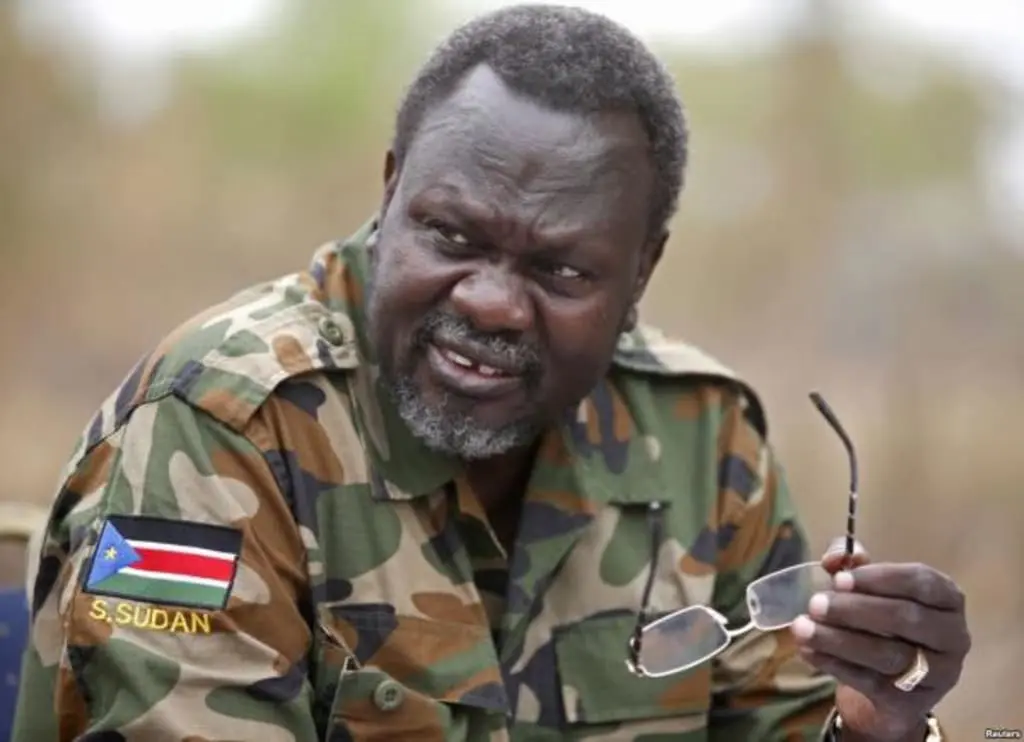
The southern Sudanese liberation struggle is one of Africa's longest and most costly armed conflicts — two civil wars spanning most of the period from 1955 to 2005, killing an estimated two million people, displacing four million more, and ending with the independence of South Sudan in 2011. The first war grew from the Sudanese army's mutiny at Torit in August 1955, just before independence, and was sustained by the Anyanya guerrilla movement through the 1960s until the Addis Ababa Agreement of 1972 offered a political settlement — ten years of autonomous rule for the south within a united Sudan. The settlement was undone by Nimeiry's reimposition of Islamic law across the whole country in 1983. The second war, led by John Garang's Sudan People's Liberation Army, was simultaneously a military campaign and a political project: Garang, who held a doctorate from Iowa State University, articulated a vision not of southern secession but of a "New Sudan" in which all Sudanese, regardless of religion or ethnicity, would have equal rights. The vision attracted support across Sudan's marginalised regions — Nuba Mountains, Blue Nile, Darfur — and the SPLA became the most formidable armed movement in Sudan's history. Garang signed the Comprehensive Peace Agreement in January 2005, bringing the war to an end. He was killed in a helicopter crash in July 2005, just weeks after returning to Khartoum in triumph. The 2011 referendum delivered the 98.83% vote for independence that made South Sudan the world's newest country — and Garang's vision of a New Sudan died with him in that helicopter on the Ugandan border.