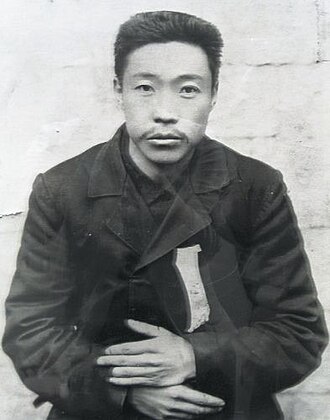
Korea
An Jung-geun
Shot and killed Itō Hirobumi — Japan's first Resident-General of Korea and the principal architect of Japanese imperialism in East Asia — at Harbin Railway Station on 26 October 1909. Executed by the Japanese in 1910. Regarded in Korea and China as one of the greatest anti-Japanese heroes.
1879–1910
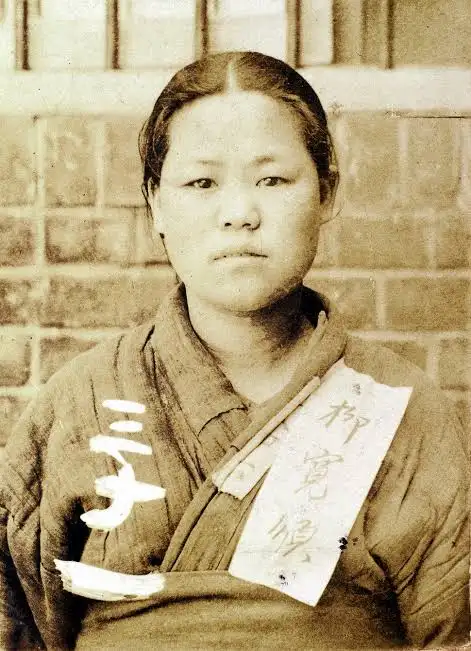
Korea
Yu Gwan-sun
Seventeen-year-old student who organised demonstrations in her home village after the March First Movement of 1919, was arrested, tortured in Seodaemun Prison, and died in prison in 1920 — becoming the most celebrated martyr of the Korean independence movement.
1902–1920
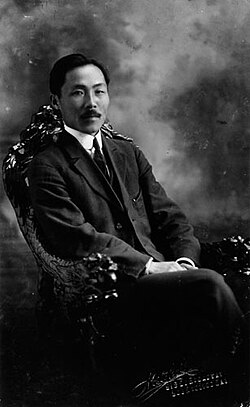
Korea
Ahn Changho
The "Island of Pine Trees" — educator, reformist, and co-founder of the Provisional Government of the Republic of Korea in Shanghai, who devoted his life to building the moral and organisational foundations of Korean independence.
1878–1938
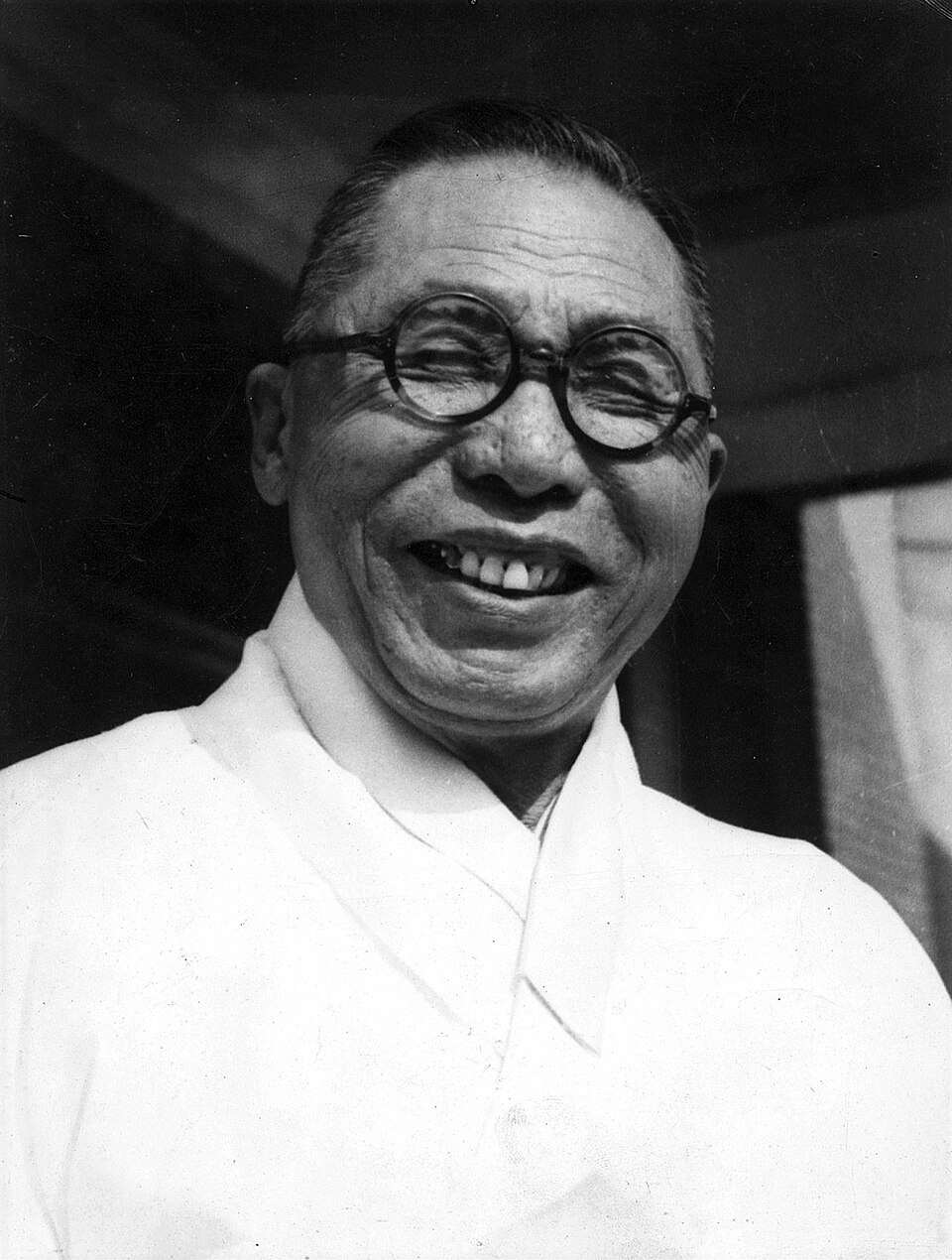
Korea
Kim Ku
President of the Korean Provisional Government in exile for much of its existence, organiser of the Korean Independence Army, and the man who sent the bombers of the Shanghai and Tokyo attacks — assassinated in 1949 after opposing the division of Korea.
1876–1949
Korea
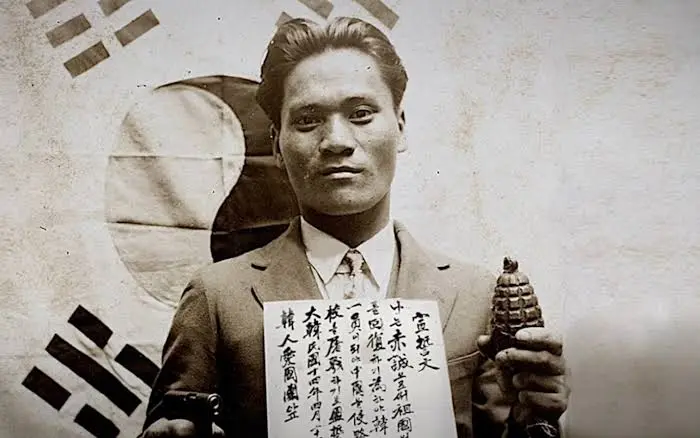
Yun Bong-gil
Threw a bomb at a Japanese military celebration at Hongkou Park in Shanghai on 29 April 1932, killing Japanese commanders including General Yoshinori Shirakawa — an action that prompted Chiang Kai-shek to give the Korean Provisional Government Chinese state support.
1908–1932
Korea
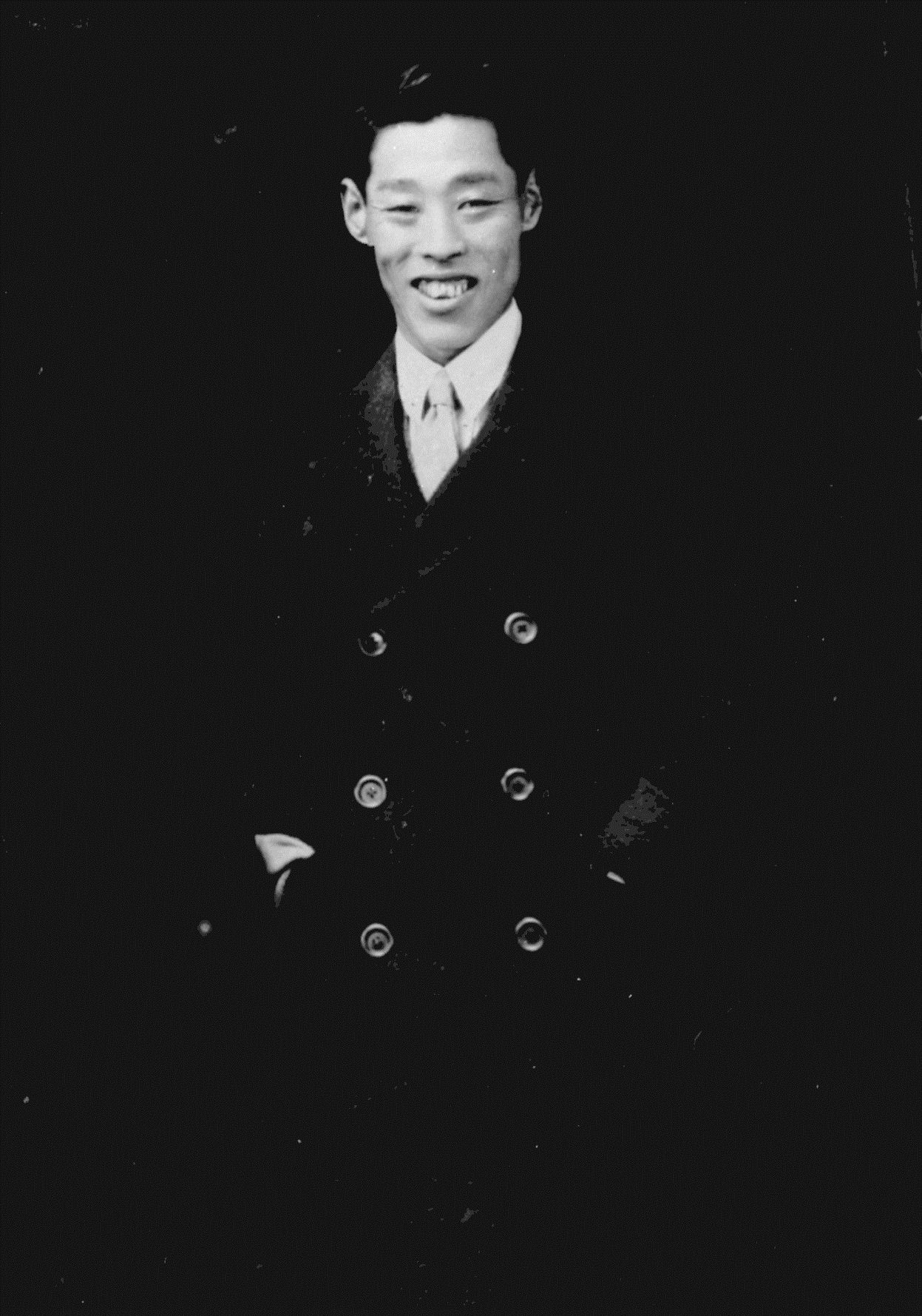
Lee Bong-chang
Threw a grenade at Emperor Hirohito's imperial procession in Tokyo on 8 January 1932 — the bomb missed the Emperor's carriage. Arrested, tried, and hanged in October 1932. His willingness to attempt the assassination of the Emperor was unprecedented.
1900–1932
Korea
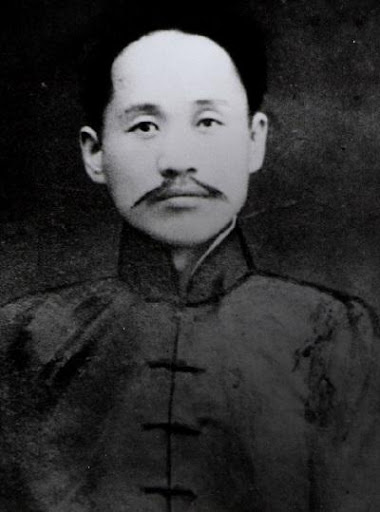
Shin Chae-ho
Historian, journalist, and anarchist revolutionary who rewrote Korean history as a story of national resistance rather than dynastic succession — his nationalist historiography shaped the intellectual framework of the independence movement and remains foundational to Korean historical consciousness.
1880–1936
Korea
Na Hye-sok
Korea's first professional woman painter, feminist writer, and March First Movement participant — her art, essays, and public defiance of patriarchal norms made her a pioneer of Korean women's liberation whose life ended in poverty and neglect after her social ostracism.
1896–1948
Korea
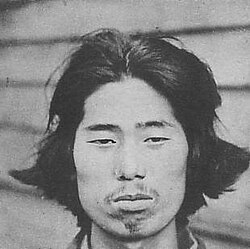
Park Yeol
Korean anarchist revolutionary who was arrested in Japan in 1923 on charges of plotting to assassinate the Emperor, sentenced to death (commuted to life), and imprisoned for twenty-two years — his case became an international cause célèbre of the anarchist movement.
1902–1974
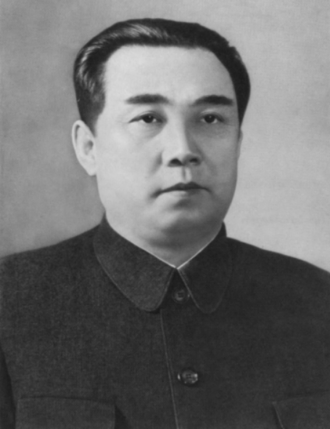
Korea
Kim Il-sung
Led Korean guerrilla resistance against the Japanese in Manchuria through the 1930s and early 1940s before becoming the founding leader of the Democratic People's Republic of Korea in 1948 — his resistance record was genuine; what he built with it was not.
1912–1994