Rwanda & Burundi — Independence, Assassination, and the Long Road to Catastrophe
Rwanda and Burundi are among the smallest and most densely populated countries in Africa, and they share a colonial history that fundamentally distorted their politics in ways that produced, in Rwanda's case, the worst genocide since the Holocaust. Both were part of Ruanda-Urundi, a Belgian-administered territory that had previously been German East Africa, and both inherited from the Belgian colonial system a set of racial categories — Hutu, Tutsi, Twa — that the Belgians had hardened into quasi-biological identities, issuing identity cards that recorded each person's ethnicity and systematically favouring the Tutsi minority as colonial intermediaries while building resentment among the Hutu majority that the colonial system simultaneously educated into political consciousness. When decolonisation came in the early 1960s, it unleashed the forces that Belgian racial administration had spent forty years constructing.
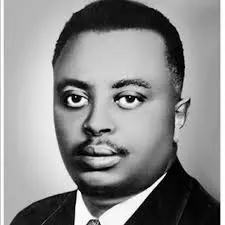
Burundi's independence trajectory is the more immediately tragic of the two. Prince Louis Rwagasore — son of Mwami Mwambutsa IV, educated in Belgium, and founder of UPRONA, the Union for National Progress — was the one Burundian politician who seemed capable of transcending the Hutu-Tutsi divide that Belgian colonial policy had sharpened. His UPRONA drew support across ethnic lines on a platform of rapid independence and social reform, and in September 1961 it won an overwhelming victory in the pre-independence elections — 58 of 64 seats in the Legislative Assembly. Rwagasore became Prime Minister. On 13 October 1961, less than two weeks after taking office, he was shot dead while dining at a lakeside restaurant in Bujumbura by a Greek gunman hired by Burundian politicians linked to the Belgian administration and opposed to his independence programme. He was twenty-nine years old. His assassination removed the one figure who might have led Burundi through independence without the ethnic violence that followed. The country he was to have governed experienced a Tutsi-dominated military coup in 1966, genocide against Hutu in 1972, further mass killings in 1988 and 1993, and a civil war lasting until 2005. The Belgian colonial system's poisoned legacy played out across four decades of bloodshed.
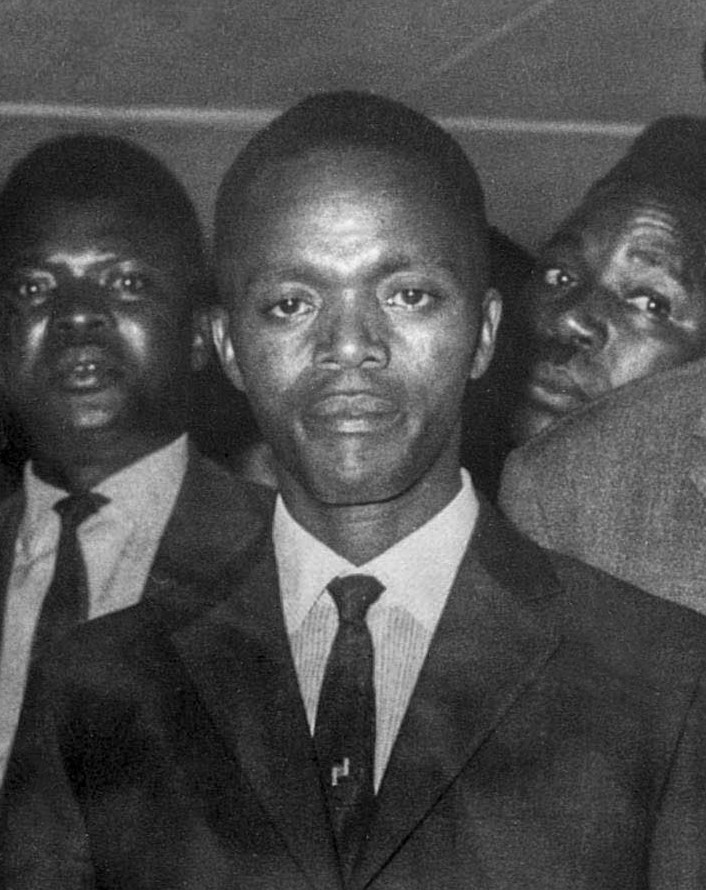
Rwanda's independence followed a different but equally violent path. The "Social Revolution" of 1959 — triggered when Hutu activists beat Dominique Mbonyumutwa, a Hutu sub-chief, and rumours spread that he had been killed — produced a wave of anti-Tutsi violence that killed hundreds and drove tens of thousands of Tutsi into exile in Uganda, Burundi, and the Congo. The revolution, which the Belgian administration facilitated by switching its support from the Tutsi establishment to the Hutu parties, ended the Tutsi monarchy and installed Grégoire Kayibanda's PARMEHUTU as the dominant political force. Kayibanda became Rwanda's first president at independence in 1962. His government institutionalised ethnic discrimination against Tutsi — limiting their access to education and public employment through ethnic quotas — and responded to incursions by Tutsi exile groups with collective punishment against Tutsi inside Rwanda. He was overthrown in a coup in 1973 by General Juvénal Habyarimana, himself later the target of the assassination whose execution in April 1994 — the shooting down of his plane — triggered the genocide. Kayibanda died in detention in 1976.
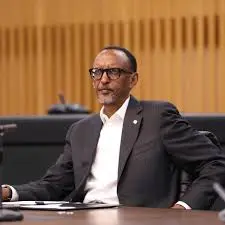
The children of the Tutsi exiles of 1959 and 1973 formed the Rwanda Patriotic Front in Uganda in the late 1980s, drawing on their experience in Yoweri Museveni's National Resistance Army — in which Fred Rwigyema had risen to the rank of Deputy Commander of the NRA and Deputy Minister of Defence of Uganda, making him the most senior military figure in the Rwandan exile community. On 1 October 1990, Rwigyema led the RPF invasion across the Ugandan border into Rwanda. He was killed on the second day by a bullet whose origin — Ugandan, Rwandan, or accidental — has never been definitively established. Paul Kagame, who had been in the United States attending a military training course at Fort Leavenworth when the invasion began, returned to take command of the RPF and transformed it from a force in near-collapse to a disciplined army that controlled a significant territory in northern Rwanda by 1993. When the genocide began in April 1994 — organised by Hutu Power extremists in the Habyarimana government and implemented through the Interahamwe militia — Kagame's RPF forces advanced on Kigali, halted the killing, and took power by July. The RPF's military victory ended the genocide. The political system Kagame has built since then — tightly controlled, economically dynamic, intolerant of dissent and of any political challenge to his authority — is a subject of sustained international controversy that does not diminish the fact that his army stopped a genocide that the international community watched and did nothing to prevent.