FRELIMO — The Liberated Zones and the Long War
Mozambique was among the last African countries to achieve independence, and it did so through a liberation movement that stands apart in the history of the continent for the seriousness with which it attempted to build a new society inside the liberated territories while the war was still being fought. The Frente de Libertação de Moçambique, founded in Dar es Salaam in June 1962 through the merger of three exile organisations, launched its armed campaign in September 1964 with attacks on Portuguese administrative posts in Cabo Delgado province. Over the next decade, FRELIMO extended its control progressively southward through Cabo Delgado and Niassa, establishing liberated zones in which it ran schools — in Mozambican languages, not Portuguese — clinics, agricultural cooperatives, and people's courts while simultaneously fighting the Portuguese army. It was an explicit attempt to demonstrate, in practice, what independence would mean for ordinary Mozambicans, before independence had been achieved.
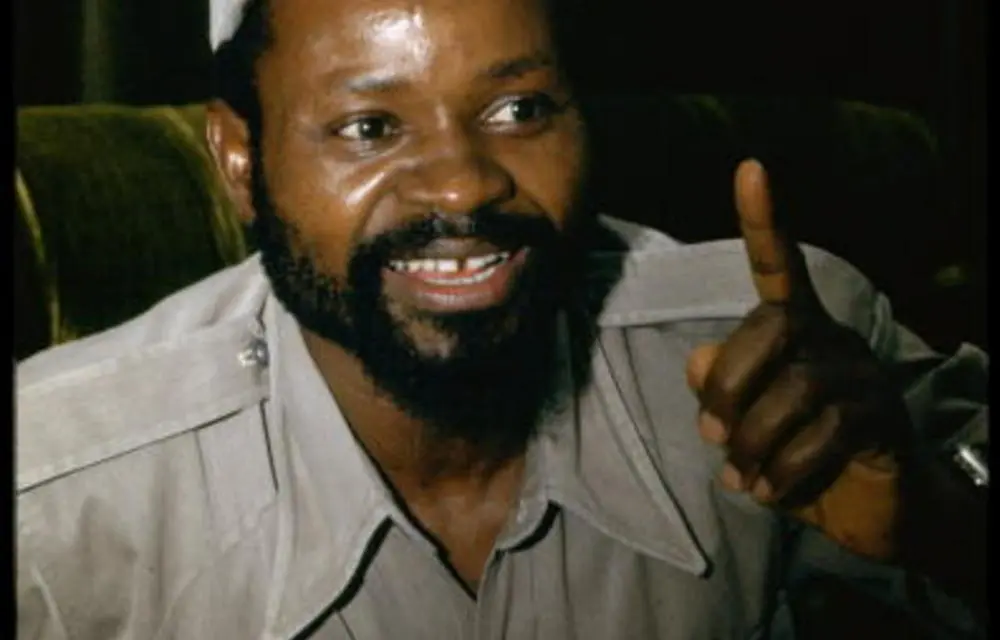
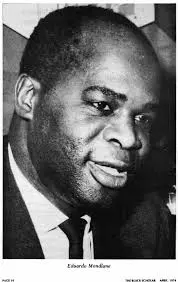
Eduardo Mondlane, who gave the movement its intellectual coherence and its organisational unity, was an extraordinary figure — the son of a village headman in Gaza province who had received a scholarship to study in South Africa, been expelled from that country for political activism, completed a doctorate in anthropology at Northwestern University, worked at the United Nations, and married Janet Johnson, a white American woman, before returning to Africa to lead FRELIMO. He unified a movement that contained genuine ideological tensions — between socialists and conservatives, between Christians and Marxists, between southern Mozambicans and northerners — through the force of his personality and the clarity of his analysis. On 3 February 1969, he opened a parcel at his desk in Dar es Salaam. It contained a bomb, placed there by the Portuguese secret police PIDE, probably with assistance from white Mozambican settlers. He died immediately. He was forty-eight years old. Samora Machel, who took command of FRELIMO's military wing and then of the movement itself after the factional struggles that followed Mondlane's death, was everything Mondlane had been — and also a military commander of the first rank, a charismatic leader who had risen from a nurse to a general through the force of his intellect and his ability to inspire absolute loyalty in his fighters.
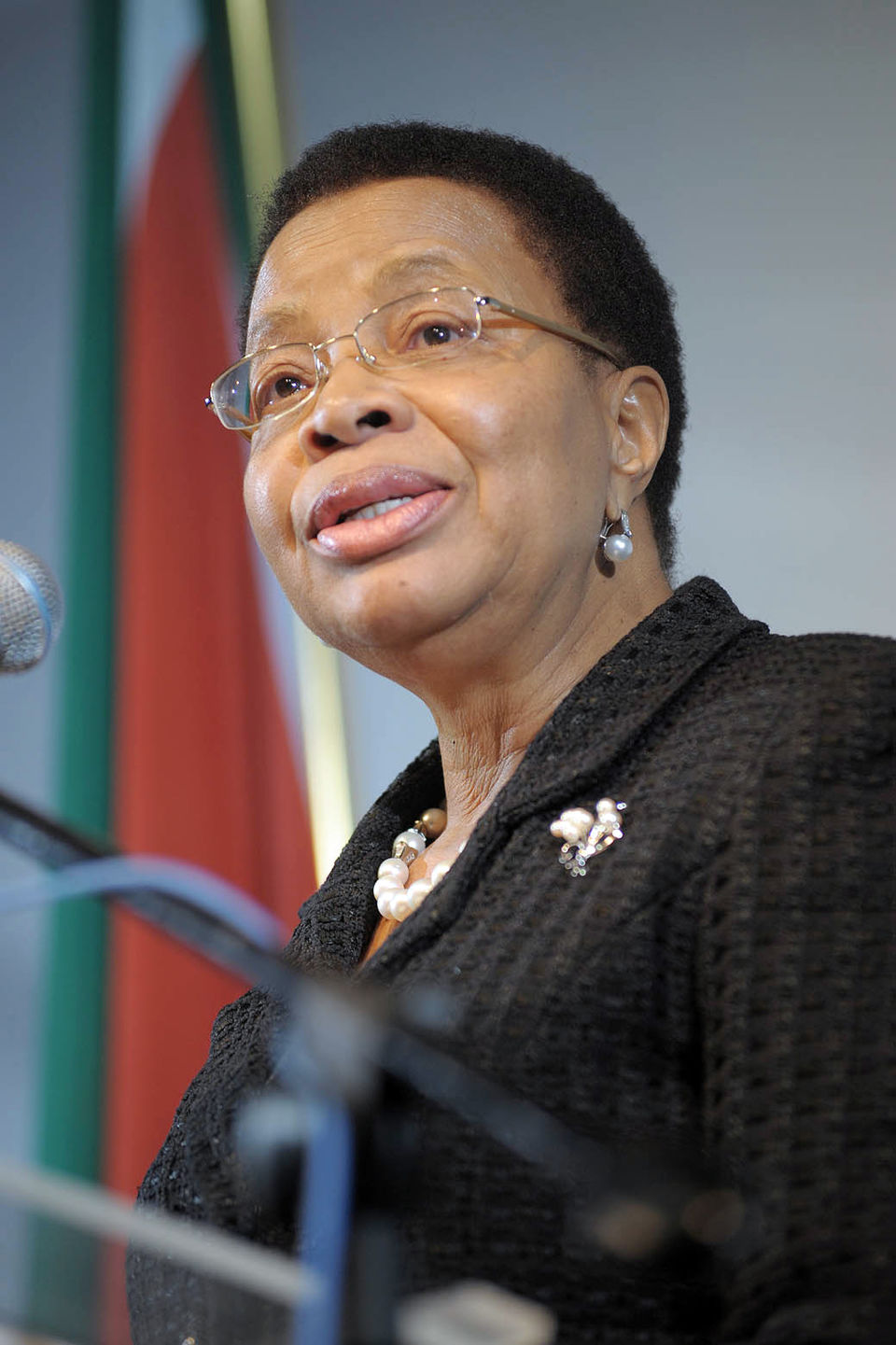
FRELIMO was unusual among African liberation movements for the seriousness with which it engaged the question of women's liberation as part of the liberation struggle itself. The Destacamento Feminino — women's detachment — was created in 1967, and women served in military, political, and administrative roles across the liberated zones. Graça Machel, who had joined FRELIMO's external wing in Dar es Salaam, became one of the movement's leading figures and, after independence, Mozambique's Education Minister — responsible for a literacy campaign that became one of post-colonial Africa's most ambitious and effective. The cultural programme that Jorge Rebelo directed from FRELIMO's information department — using poetry, theatre, and music to build national consciousness in a country where Portuguese was spoken by a tiny minority and where dozens of African languages were the medium of daily life — was equally remarkable: Rebelo himself was a poet of distinction, and Marcelino dos Santos, who wrote revolutionary verse under the name Kalungano, was among the finest African poets of the liberation era.
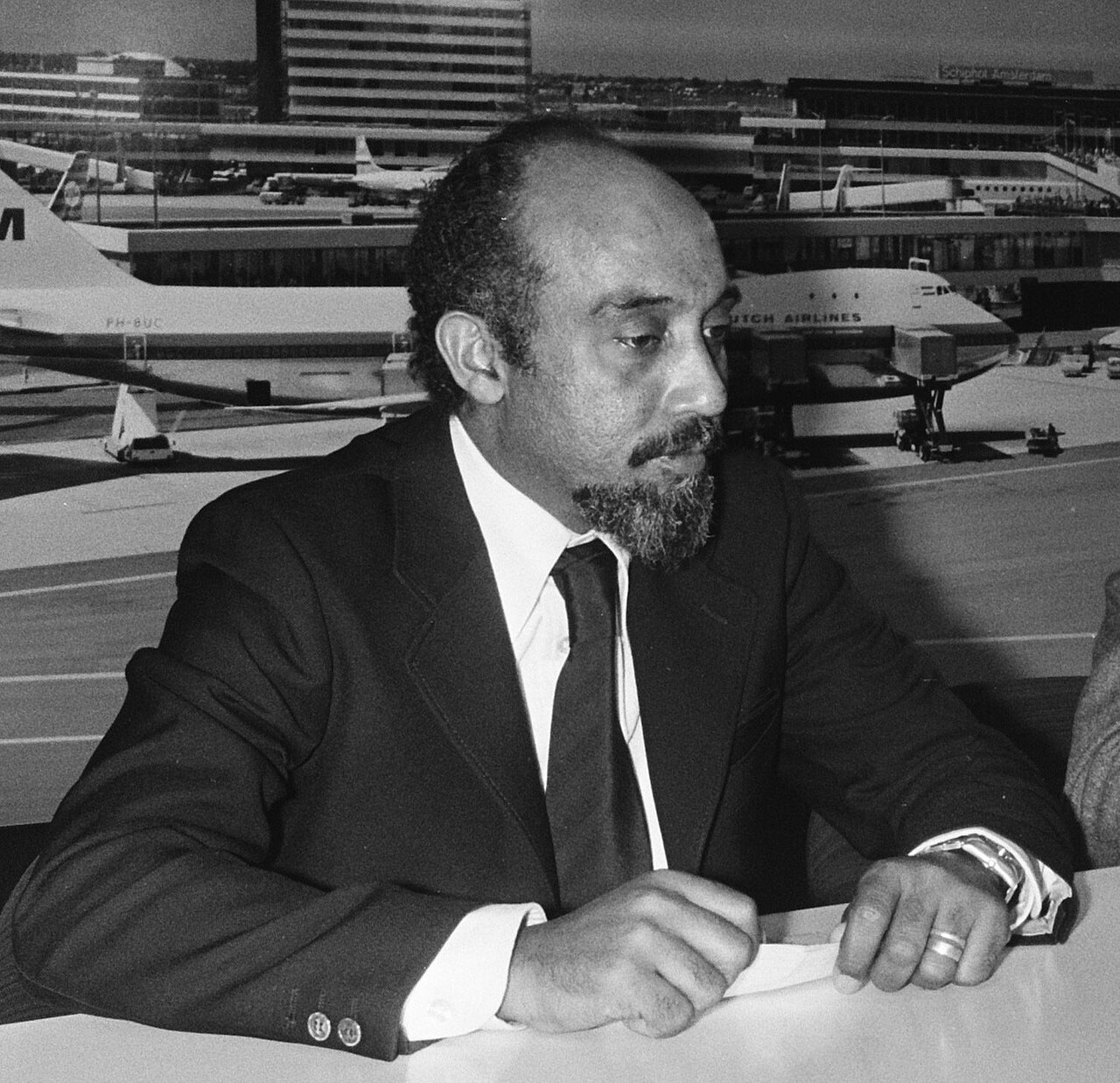
Independence came on 25 June 1975, and Samora Machel became Mozambique's first president. The country he inherited was among the poorest on earth, devastated by the flight of most of the Portuguese settler population — who took their technical skills, their capital, and in many cases the machinery they had operated with them — and immediately subjected to destabilisation by Rhodesia and apartheid South Africa, who funded and armed the RENAMO insurgency. The civil war that followed lasted sixteen years and killed approximately one million people. Machel himself died on 19 October 1986, when his presidential aircraft crashed in the Lebombo mountains near the South African border under circumstances that have never been fully explained — the investigation found evidence of a false navigational beacon, and South African involvement has been repeatedly alleged though never conclusively proven. He was fifty-three years old. His death deprived Mozambique of its most gifted leader at the moment of its greatest need. Joaquim Chissano, who succeeded him and eventually negotiated the General Peace Agreement of 1992 that ended the civil war, received the Mo Ibrahim Prize in 2007 for African leadership. It was recognition that the country Mondlane and Machel had fought to build had survived, though at a cost neither of them had anticipated.