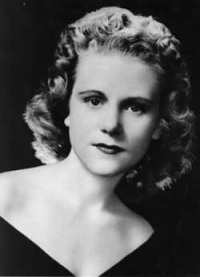
Viola Liuzzo, white Detroit housewife shot dead by Klan members on March 25, 1965 while ferrying civil rights marchers between Selma and Montgomery on the night the Selma to Montgomery march ended.
United States · Civil Rights Movement

Viola Liuzzo

Viola Fauver Gregg was born on April 11, 1925, in California, Pennsylvania, and grew up in Georgia and Tennessee before moving to Detroit, Michigan, where she married Anthony Liuzzo, a Teamsters Union official, and raised five children in the working-class Italian-American community of Detroit's west side. She was attending Wayne State University as a student in the spring of 1965, working toward the degree that her intermittent education had not yet produced, when the events of Bloody Sunday — March 7, 1965 — were broadcast on national television and Martin Luther King Jr. issued his call for people to come to Selma. She watched the footage of state troopers attacking the marchers on the Edmund Pettus Bridge and she could not stay where she was. She drove to Selma alone in her car, arriving in time to participate in the third and final march from Selma to Montgomery that began on March 21 and concluded at the state capitol on March 25. On the night of March 25 — the night the march ended, the night King spoke to approximately twenty-five thousand people at the state capitol — Liuzzo was driving marchers in her car between Selma and Montgomery on U.S. Highway 80, ferrying people who needed transportation back to Selma after the final rally. She had a nineteen-year-old Black SCLC worker named Leroy Moton in the passenger seat. A car carrying four Klan members — including Gary Thomas Rowe, who was also an FBI informant — pulled alongside her car. The Klan members fired into her car. Viola Liuzzo was shot twice in the head and killed instantly. She was thirty-nine years old. Her car rolled to a stop on the side of the highway. Leroy Moton, who had been splattered with her blood but was physically uninjured, played dead until the Klan car had left. The four Klan members were identified almost immediately because Rowe was an FBI informant; they were tried on federal civil rights charges and three were convicted. What followed the murder was itself a demonstration of the forces Liuzzo had gone to Selma to resist: the FBI, under J. Edgar Hoover's direction, conducted a campaign to smear her reputation — she was characterised as a neglectful mother, as a woman who was having an inappropriate relationship with Leroy Moton, as someone whose motivations were suspect. The smear campaign was Hoover's specific response to a murder that his informant had been present for without preventing, and it was designed to shift attention from the FBI's culpability to the victim's character. Her family spent years fighting for her reputation and eventually obtained access to the FBI files that documented the campaign against her. She was awarded the Presidential Medal of Freedom posthumously in 2015.

United States Selma Civil Rights Martyr White Allies KKK FBI Smear Campaign

Born: 11 April 1925, California, Pennsylvania, USA  |  Died: 25 March 1965, Highway 80, Alabama, USA — aged thirty-nine

At a Glance

Full NameViola Fauver Gregg Liuzzo; born 11 April 1925, California, Pennsylvania; grew up in Georgia and Tennessee; married Anthony Liuzzo in Detroit; five children; attending Wayne State University spring 1965; drove to Selma after Bloody Sunday; participated in the third Selma to Montgomery march; was ferrying marchers on Highway 80 on the night of March 25, 1965 when shot by Klan members; Leroy Moton, the SCLC worker in her car, survived; three of four Klan members convicted on federal civil rights charges; FBI conducted reputation smear campaign against her; family fought for her reputation for decades; awarded Presidential Medal of Freedom posthumously 2015
Born11 April 1925, California, Pennsylvania; grew up in Georgia and Tennessee; moved to Detroit; married Anthony Liuzzo, a Teamsters Union official; raised five children; was attending Wayne State University in the spring of 1965 working toward her degree; her decision to drive to Selma after Bloody Sunday was made independently, against her husband's wishes, in response to what she had seen on television and what she understood it required of her
Died25 March 1965, U.S. Highway 80, Lowndes County, Alabama; shot twice in the head by Klan members who fired into her car while she was ferrying marchers between Selma and Montgomery; died instantly; was thirty-nine years old; the four men in the attacking car were identified within hours because one of them — Gary Thomas Rowe — was an FBI informant; three were convicted on federal civil rights charges; she was buried in Detroit
Driving to SelmaWatched the Bloody Sunday footage on television and felt compelled to go; drove to Selma alone in her Oldsmobile without a clear organisational connection or a plan beyond the conviction that her presence was required; arrived to find a massive national response already underway — hundreds of clergy and citizens had responded to King's call — and threw herself into the practical work of ferrying people, cooking food, and contributing whatever assistance she could provide; participated in the third march from Selma to Montgomery
March 25 and the ShootingOn the night of March 25, the night the Selma to Montgomery march ended with King's speech to approximately twenty-five thousand at the state capitol, Liuzzo was driving marchers in her car on Highway 80 between Montgomery and Selma; she had SCLC worker Leroy Moton, nineteen years old, in the passenger seat; a car with four Klan members — including FBI informant Gary Thomas Rowe — pulled alongside; the Klan members fired; Liuzzo was shot twice in the head; her car rolled to a stop; Moton played dead and survived; the Klan car drove away
The FBI Informant and the Smear CampaignGary Thomas Rowe was present in the car during the shooting as an FBI informant who had been reporting on the Klan's activities; his presence meant that the FBI knew about the murder within hours; J. Edgar Hoover's subsequent response included not merely cooperating with the prosecution but conducting a campaign to smear Liuzzo's reputation — characterising her as a neglectful mother, implying an inappropriate relationship with Leroy Moton, suggesting her motivations were suspect; the smear campaign was designed to shift attention from the FBI's culpability in not preventing the murder despite having an informant present; Liuzzo's family spent years fighting to restore her reputation
The Prosecution and Its LimitsThree of the four Klan members in the car were convicted of federal civil rights charges — a relatively swift prosecution compared to most civil rights murder cases — because Rowe's presence as an informant meant the FBI had direct knowledge of the perpetrators; the convictions were significant but were on civil rights charges rather than murder charges, reflecting the limits of federal jurisdiction; an Alabama state murder prosecution produced an acquittal; Rowe himself was never charged for his role in the shooting and continued to cooperate with the FBI for years

California, Pennsylvania, Detroit, and the Decision to Go South

Viola Liuzzo was not a civil rights activist before the Bloody Sunday footage reached her television in Detroit. She was a thirty-nine-year-old housewife and part-time student, a mother of five, a woman whose life had been defined by the specific rhythms of working-class Italian-American family life in Detroit's west side. She had convictions — she had grown up in the South and had her own formation in its racial conditions, and she found them unjust — but she had not previously translated those convictions into organised civil rights activity. The Bloody Sunday footage was the catalyst.

What she saw on television on March 7, 1965, was what anyone who watched it that night saw: state troopers attacking nonviolent marchers on a bridge in Selma, Alabama, in an act of violence that was both shocking and completely consistent with everything the civil rights movement had been documenting for a decade. King's subsequent call for people to come to Selma was the invitation that made the response to what she had seen concrete. She drove south in her Oldsmobile, leaving her five children in Detroit with her husband Anthony, who opposed her going. She arrived in Selma and found the response to the call already underway — hundreds of clergy, students, and citizens from across the country — and she found her way into the practical work of supporting the movement.

Her presence in Selma was not ideologically elaborate; it was immediate and practical. She drove people who needed transportation. She helped with cooking. She did what needed doing. On the night of March 25, she was driving marchers back to Selma from Montgomery — practical transportation work — when the Klan car came up alongside hers on Highway 80 and the people in it shot her dead.

The Informant in the Car and the FBI's Response

The specific circumstances of Liuzzo's murder — that one of her killers was a paid FBI informant — gave the subsequent FBI response a dimension of institutional culpability that Hoover worked hard to conceal through the smear campaign he directed against her reputation. Gary Thomas Rowe had been reporting to the FBI on the Alabama Klan's activities for years, and his presence in the car on the night of the murder meant that the FBI knew with unusual speed and specificity what had happened and who had done it. The prosecution of three of the four men in the car was correspondingly swift and was in important respects driven by the FBI's ability to use Rowe's testimony.

What the FBI did not do — and what Hoover worked to prevent the public from focusing on — was acknowledge that its informant had been present during a murder without preventing it and had participated in the Klan activity that led to it. Rowe's subsequent testimony in multiple trials, and the eventual disclosure of his full history with the FBI and with Klan violence, made clear that he had been a problematic informant whose relationship with the FBI had enabled rather than prevented Klan violence on multiple occasions.

Hoover's smear campaign against Liuzzo was the most direct expression of his preferred method for dealing with situations that reflected badly on the FBI: attack the victim's character rather than acknowledge the agency's failure. The characterisation of Liuzzo as a neglectful mother, the implication of an inappropriate relationship with Leroy Moton, the suggestions about her motivations — all of these were designed to shift the conversation from what the FBI's informant had been doing on Highway 80 on the night of March 25 to whether Viola Liuzzo was the kind of person whose death deserved the national sympathy it was receiving. The campaign was morally repugnant and was, for a period, effective in muddying the public understanding of what had happened.

Leroy Moton and the Night He Played Dead

Leroy Moton was nineteen years old on the night of March 25, 1965. He was an SCLC worker who had been in the car with Liuzzo, helping with the transportation logistics of getting marchers from the final rally at the state capitol back to Selma. When the Klan car pulled alongside and the shots were fired, he was splattered with Liuzzo's blood but was physically uninjured. He played dead — remaining motionless in the passenger seat while the Klan car circled and then drove away — and his presence of mind in that specific moment was what enabled his survival.

Moton subsequently became a witness in the prosecutions of the Klan members and testified about what he had seen and experienced on the night of the murder. His testimony was crucial to the conviction of the three men who were convicted, and his willingness to testify was an act of courage in the specific context of Alabama in 1965, where being a Black man who testified against white Klan members in a state court was its own form of danger. He has continued to speak about that night in subsequent decades, maintaining the witness to what happened that his survival made possible.

The Family's Fight and the Posthumous Recognition

Liuzzo's family — her husband Anthony and her five children — spent decades fighting to restore her reputation against the FBI's smear campaign. The Freedom of Information Act requests that eventually produced the FBI files documenting the campaign against her were the result of years of persistence by her family and by civil rights historians who understood what had happened and why it mattered. The documentation they eventually obtained confirmed what the family had always known: that the smear campaign was deliberately organised, that it was motivated by Hoover's desire to deflect attention from the FBI's role, and that it had succeeded in its short-term goal of muddying the public understanding of Liuzzo's character and motivations.

The Presidential Medal of Freedom that President Obama awarded to Liuzzo posthumously in 2015 — fifty years after her death — was the formal acknowledgment that whatever the FBI had done to her reputation in 1965, the historical record recognised what she had actually done and what it had cost her. She had driven to Selma because she could not watch what was happening on her television and do nothing. She had ferried marchers because that was what the movement needed people to do. She had been shot and killed because she was a white woman driving a Black man on Highway 80 in Alabama in 1965, which made her a target for the Klan's specific contempt for people who crossed the colour line. The medal, fifty years late, was insufficient acknowledgment of a life and a death that deserved better from the country she gave them to.

Other Civil Rights Movement Profiles

USA · Civil Rights Jimmie Lee Jackson Whose death precipitated the march that ended on the night Liuzzo was killed — the first death that made possible the last USA · Civil Rights James Reeb White Unitarian minister beaten to death in Selma two weeks before Liuzzo — the pattern of white allied deaths in the Selma campaign USA · Civil Rights Jonathan Daniels White Episcopal seminarian killed in Alabama five months after Liuzzo — the continuing pattern of white allied deaths in the Alabama movement USA · Civil Rights John Lewis Led Bloody Sunday whose footage brought Liuzzo to Selma and whose successful march she died supporting USA · Civil Rights Hosea Williams Co-led Bloody Sunday with Lewis — the march whose violence brought Liuzzo south USA · Civil Rights Martin Luther King Jr. Issued the call that brought Liuzzo to Selma; spoke to the twenty-five thousand at the rally on the night she was killed USA · Civil Rights Amelia Boynton Robinson Selma voting rights organiser whose decades of work Liuzzo came to support — the local movement that white allies came to reinforce USA · Civil Rights Andrew Goodman White Freedom Summer volunteer murdered in 1964 — the earlier pattern of white allied deaths in the Southern movement USA · Civil Rights Mickey Schwerner White CORE field secretary murdered in 1964 alongside Chaney — the same tradition of Klan targeting of white civil rights workers USA · Civil Rights Bob Moses Who designed Freedom Summer around the prediction that white deaths would generate federal response — Liuzzo's death was the Selma equivalent of that same tragic strategic reality
Share X Facebook WhatsApp LinkedIn